


















2026 Top Shipping Container Types for Global Buyers
Global cargo rarely fits one standard box perfectly. Choosing a Shipping Container means matching its design to the goods, route, and handling equipment—not simply choosing the lowest quoted price. A few centimeters can matter when pallets must pass through a doorway or fit beneath a height limit. Details matter.
Standard Dry Containers suit many boxed and palletized goods. High-cube models offer extra interior height for taller loads. Refrigerated containers control temperature, but buyers should confirm the required range and power arrangements. Open-top units can accommodate cargo loaded from above. Flat racks support oversized items that need side or top access, while tank containers are built for compatible bulk liquids. Each type has different loading needs, equipment requirements, and costs.
No single type is best for every route. That sounds obvious, yet it is easy to overlook when comparing listings. Buyers should check internal and door dimensions, payload limits, condition, and available inspection records. For used equipment, look closely at floors, seals, doors, and signs of corrosion; photographs may not show every issue. Confirm that the container can be handled at the origin and destination, and ask suppliers to explain any unclear specifications. A careful comparison can prevent avoidable delays and extra handling charges. Still, even a detailed checklist cannot replace a physical inspection when one is available. This guide compares common container types and explains what global buyers should verify before making a purchase.
What Shipping Container Types Are Available to Global Buyers in 2026?
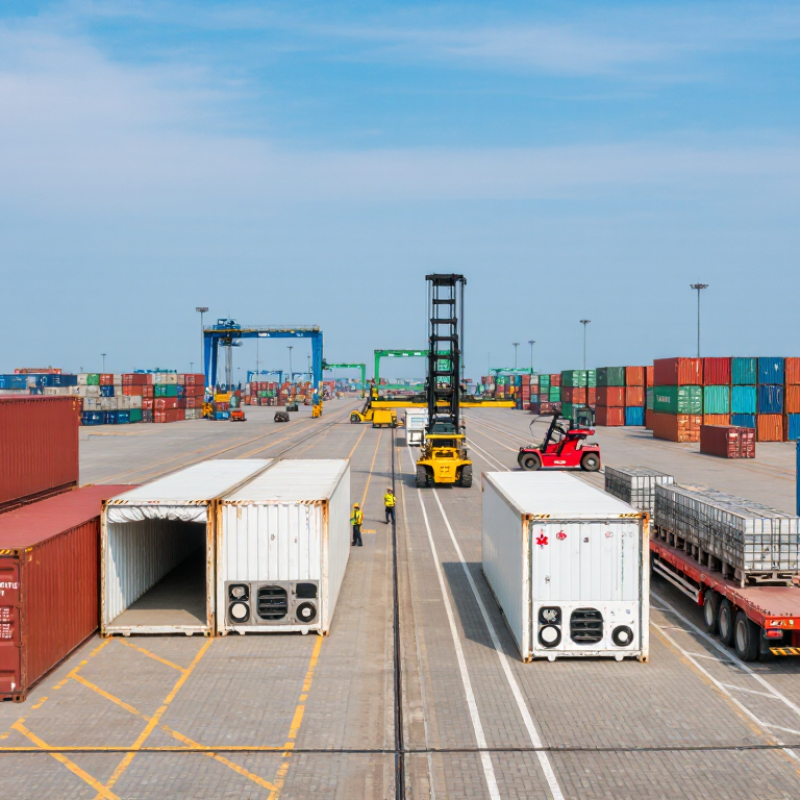
In 2026, global buyers can commonly source standard dry containers in 20-foot and 40-foot sizes. They suit boxed goods, furniture, and palletized cargo that needs protection from weather. A 40-foot high-cube container adds extra interior height, useful for tall loads or lightweight goods that take up more space. Actual usable dimensions vary by unit, so check the equipment specification before booking.
Temperature-sensitive cargo may require a refrigerated container, often called a reefer. Confirm its temperature range, power requirements, and recent operating condition; a displayed setting alone does not prove reliable cooling.
Open-top containers allow loading from above, while flat racks accommodate oversized cargo that cannot fit inside a standard box. These options can require special handling and may not be available at every port. That matters.
Tank containers are designed for bulk liquids and gases, with suitability depending on the cargo and tank specification. Buyers may also find side-door or double-door containers for easier access, though availability can be more limited. Before purchase or shipment, inspect door seals, floors, corner castings, and visible corrosion. Request clear photos and a current condition report. Used units vary considerably, even when listed under the same type. In practice, matching the container to cargo dimensions, loading method, route, and handling needs is more reliable than choosing by name alone.
