2026 Top Gold Silver Testing Kits for Global Buyers

In 2026, reliable Gold Silver Testing is essential for buyers comparing jewelry, bullion, coins, and recycled precious metals. A suitable testing kit can reveal whether a stamped item matches its claimed purity. It can also prevent costly decisions based on appearance alone. Not every shining surface is valuable.

This guide examines testing kits designed for international purchasing, professional workshops, retailers, collectors, and responsible refiners. It considers acid test sets, electronic testers, touchstones, density tools, and portable analyzers. Each method has practical strengths and visible limitations. Acid testing is affordable and simple, but it may mark the surface and requires careful handling. Electronic devices offer faster readings, yet calibration and surface condition can affect accuracy. X-ray fluorescence instruments provide deeper analysis, although their prices may exceed small-business budgets.

Experienced buyers should inspect reagent labeling, measurement ranges, calibration guidance, safety instructions, and after-sales support. A kit should include clear reference standards, durable cases, readable instructions, and replaceable components. Country-specific shipping rules also matter, especially for chemical reagents and lithium-powered devices. Verified certifications and transparent supplier information deserve more attention than attractive product photos.

No kit is flawless. Results can vary with plating, solder, mixed alloys, contamination, or user technique. This guide therefore treats testing as a careful process, not a single dramatic reading. When value is high, buyers should compare two methods and seek an accredited laboratory opinion. The goal is dependable evidence, safer handling, and more confident purchasing across global markets.

2026 Top Gold Silver Testing Kits for Global Buyers

What Gold and Silver Testing Kits Are and How They Work

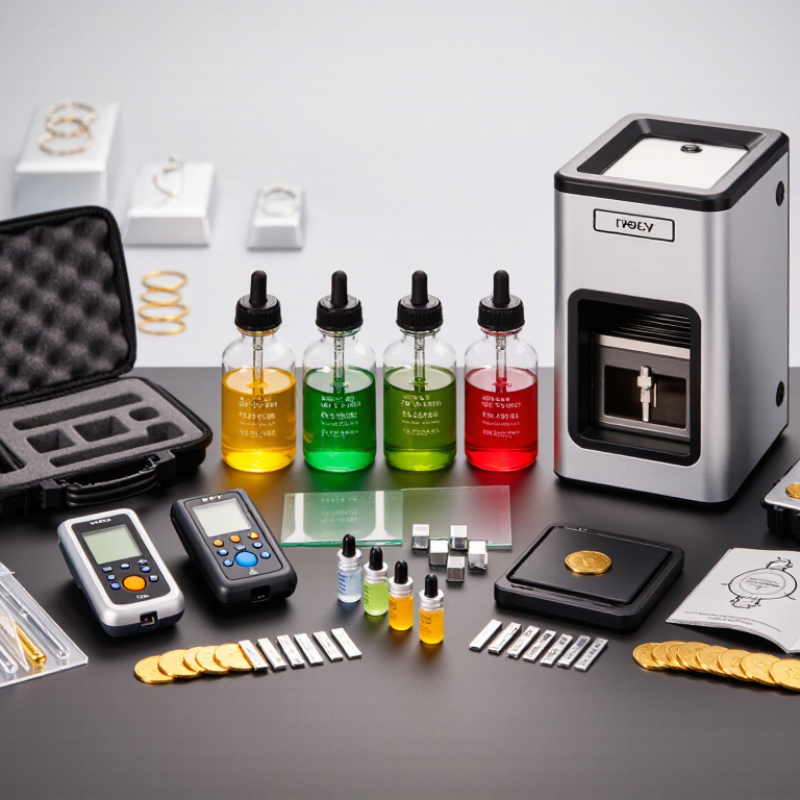
Gold and silver testing kits are compact tools for checking precious-metal content. They help global buyers estimate purity before purchase, resale, or inventory recording. A basic kit may include a touchstone, reference needles, testing solutions, a magnet, and sometimes an electronic meter. Each tool answers a different question. That distinction matters.

Touchstone testing works by comparing a metal streak with known reference marks. The tester rubs the item on a dark stone, then applies a suitable testing solution. A matching reaction suggests a similar metal grade. Silver solutions can indicate whether the surface contains silver, but they cannot always reveal hidden layers. Electronic meters measure properties such as conductivity or electrical resistance. They are convenient, but surface plating and complex alloys can confuse readings.

Reliable testing is a process, not a single button press. Clean a small, safe area before testing, because dirt or coatings may distort results. Use gloves, eye protection, and good ventilation when handling chemical solutions. Follow the kit instructions closely.

One test can mislead. Dense alloys, coatings, and worn surfaces may produce unclear signals. I would not treat a positive reaction as proof of purity.

For high-value material, an independent assay provides stronger evidence. That extra check takes time, yet it may prevent an expensive mistake.

Key Testing Methods for Identifying Gold and Silver Purity

Gold and silver testing kits help global buyers assess purity before pricing, resale, or collection.

In practice, no single method answers every question. A touchstone and testing solution can compare surface color against known reference needles. The result is useful, but plating may hide a different metal underneath. Handle acids carefully and follow the kit’s instructions.

Electronic testers estimate conductivity and resistivity without cutting the item. They work quickly on coins, jewelry, and larger pieces, but moisture, dirt, and unusual alloys can affect readings. Density testing adds another check. Weigh the item in air, then in water, and compare the calculated density with recognized purity ranges.

The process sounds simple. Small measurement errors matter.

Tips: Clean a hidden area before testing. Use separate tools for gold and silver. Test several points, not only the brightest surface. For higher-value items, request X-ray fluorescence testing or an independent laboratory report. XRF is fast and non-destructive, though coatings and uneven surfaces can confuse results. Fire assay is highly accurate, but it requires professional laboratory control and destroys a sample. Keep dated records, photographs, and test conditions. Even experienced testers can misread a result when the surface is worn or repaired.

How to Choose a Testing Kit for Different Global Buyer Needs

2026 Top Gold Silver Testing Kits for Global Buyers

Choosing a testing kit starts with the buyer’s working environment. A small jewelry shop may need a touchstone, testing acids, a loupe, and a digital scale. These tools are affordable and portable. However, results depend heavily on surface cleaning and user experience. A plated item can mislead a quick surface test.

For wholesalers, pawn professionals, and laboratories, X-ray fluorescence testing offers faster, non-destructive screening. It can identify several elements within seconds. Still, calibration matters, especially for silver alloys and mixed-metal products. The World Gold Council reported that global gold demand reached 4,974.5 tonnes in 2024, including over-the-counter demand. The Silver Institute recorded industrial silver demand of about 680.5 million ounces in 2023. These figures show why buyers need tools matched to product volume and material variety.

Tips: Choose certified reference standards, clear instructions, and replaceable consumables. Check measurement units before importing equipment. Test the same item twice. Do not treat one reading as final proof. For high-value transactions, confirm results through an independent laboratory. No field kit is perfect. Humidity, damaged surfaces, poor lighting, and rushed handling can create uncertainty. I have seen simple kits perform well in daily buying, yet fail when alloys become complex. That limitation deserves honest attention.

2026 Top Gold & Silver Testing Kits for Global Buyers

Common precious-metal fineness standards help buyers choose a testing kit that covers the grades most frequently encountered in their target markets. Fineness indicates the number of parts of precious metal per 1,000 parts of material.

For broad international coverage, select a kit that can distinguish gold grades from 375 to 999 and silver grades from 800 to 999. Acid kits are practical for initial screening, while electronic or laboratory-based methods are better suited to higher-volume purchasing and verification.

Step-by-Step Guide to Using Gold and Silver Testing Kits

2026 Top Gold Silver Testing Kits for Global Buyers

Step-by-Step Guide to Using Gold and Silver Testing Kits

Choose a testing kit with clear instructions, labeled reagents, and a reliable reference chart. Wear gloves and eye protection before opening any solution. Work near fresh air, away from food and children. Small details matter.

Clean a hidden area of the item with a soft cloth. Do not file valuable pieces without permission. Place a tiny mark on the testing stone, then rub the item across it firmly. Add one drop of the matching solution. Watch the color change and compare it with the chart. Wipe the stone immediately after testing. Some reactions appear slowly.

For silver, use a separate area and follow the same controlled process. Electronic testers need calibration before each session. Test a known sample, if available, and record the reading, temperature, and surface condition. Plating can produce misleading results. A surface test is not absolute proof. I have seen inconsistent pressure create different marks on the same object. Repeat the test carefully, using another hidden spot. When the result affects a costly purchase, ask an independent assay professional for confirmation. Keep the kit sealed, dated, and stored according to its safety instructions.

2026 Top Gold Silver Testing Kits for Global Buyers - Step-by-Step Guide to Using Gold and Silver Testing Kits

Testing Method / Kit Type Materials Usually Included Typical Materials Tested Practical Accuracy Typical Test Time Best Use Main Limitations
Gold Acid Test Kit Touchstone, testing needles, acids commonly calibrated for 9K, 10K, 14K, 18K, 22K and 24K gold, dropper bottles, gloves and instructions Gold jewelry, small bars, scrap and plated items Usually identifies an approximate karat range when the test is performed correctly 2–5 minutes per item Low-cost screening and field checks Tests only the scratched area; thick plating, solder, coatings and layered construction may produce misleading results
Silver Acid Test Kit Silver testing solution, test stone, comparison chart, applicator and protective gloves Sterling silver, coin silver, higher-purity silver and silver-plated items Useful for distinguishing common silver grades when combined with visual and physical checks 2–5 minutes per item Screening flatware, jewelry, decorative objects and scrap Cannot reliably determine the full composition of alloys or detect all plating thicknesses
Electronic Gold Tester Digital meter, probe, conductive solution or testing fluid, calibration accessories and power supply Gold jewelry and selected precious-metal alloys Provides an indicative reading; accuracy depends on calibration, surface condition and alloy type 30 seconds–2 minutes per item Repeated non-destructive screening in retail or purchasing environments Readings can be affected by moisture, dirt, temperature, geometry and plated surfaces
Electronic Silver Tester Digital instrument, probe or sensor, reference solution and calibration guide Silver alloys, jewelry, flatware and selected scrap forms Suitable for comparative screening rather than definitive laboratory certification 30 seconds–2 minutes per item Fast checks where surface damage should be minimized Cannot replace laboratory analysis for complex alloys, hollow objects or plated products
Magnet and Density Test Set Strong magnet, precision scale, measuring container, distilled water, calipers and calculator or density chart Solid, non-porous gold and silver objects with measurable volume Good for detecting some base-metal substitutes; density alone is not proof of purity 5–10 minutes per item Non-chemical preliminary screening Hollow, stone-set, irregular, wet or layered items can produce inaccurate density calculations
Precious-Metal Test Kit with Touchstone Dark testing stone, reference needles, multiple acids, neutralizing material and cleaning accessories Gold, silver and sometimes platinum-group metals, depending on the acid set More informative than a single-acid test when reference standards are used correctly 5–10 minutes per item Professional field screening and second-hand goods evaluation Requires practice; acids are hazardous and may damage the test area
X-Ray Fluorescence Analyzer X-ray source, detector, software, calibration standards and safety enclosure or controls Gold, silver, platinum-group metals and many additional alloying elements Rapid surface and near-surface elemental analysis; results depend on calibration and sample geometry 10–60 seconds per reading High-volume, non-destructive composition screening Higher purchase cost; surface plating and inhomogeneous objects may affect results; trained operation is required
Fire Assay / Laboratory Analysis Laboratory sampling, fusion equipment, cupels and analytical instruments; normally performed by a qualified laboratory Ore, concentrates, bullion, scrap and high-value precious-metal materials Reference-grade quantitative analysis when sampling and laboratory procedures are properly controlled Several hours to several days Trade settlement, certification and dispute resolution Destructive, more expensive and unsuitable for routine testing of finished jewelry

Step-by-Step Guide to Using Gold and Silver Testing Kits

Step Action Procedure Quality and Safety Check
1 Identify the item Record the item type, markings, approximate weight, dimensions, stones and visible seams before testing. Hallmarks are clues only and should not be treated as proof of composition.
2 Clean the surface Remove dirt, oils and loose oxidation with a suitable non-abrasive method. Dry the item completely. Avoid cleaning methods that could remove plating or alter the test area.
3 Select a discreet test location Choose an inconspicuous solid-metal area. For a touchstone test, make a firm, continuous streak on the stone. Do not scratch gemstones, delicate finishes or customer-visible surfaces.
4 Apply the correct reagent Place one small drop of the reagent specified for the suspected gold karat or silver grade on the test streak. Use protective eyewear and chemical-resistant gloves; never mix test acids.
5 Observe the reaction Compare the color change, bubbling, fading or dissolution rate with the kit’s instructions and reference samples. A reaction indicates compatibility with a range, not necessarily exact purity.
6 Cross-check the result Repeat on a second suitable location and compare with magnetism, weight, dimensions, density or an electronic reading. Conflicting results require a more advanced test or qualified laboratory analysis.
7 Neutralize and clean Follow the kit instructions for neutralizing residues, rinse the test stone and dry all reusable tools. Keep acids in labeled, sealed containers and store them away from heat, children and incompatible chemicals.
8 Document the finding Record the method, test location, reagent, observed result, item weight and any uncertainty. For high-value transactions, retain photographs and obtain an independent laboratory report.

Important: Chemical testing solutions can cause burns and permanent damage to surfaces. Always follow the supplied safety data and local chemical-disposal requirements. Home and field kits provide screening results; they do not replace certified laboratory analysis for legal, export, insurance or high-value settlement purposes.

Safety, Accuracy, and Quality Standards for International Buyers

2026 Top Gold Silver Testing Kits for Global Buyers

Safety, Accuracy, and Quality Standards for International Buyers

International buyers need more than a low-cost testing kit. They need documented accuracy, safe handling guidance, and dependable quality control. A professional kit should include clear instructions, sealed reagents, lot numbers, expiration dates, and traceable reference materials. Labels should identify hazards in widely understood languages. Small details matter.

From practical testing experience, clean tools and controlled lighting can prevent misleading results. Test surfaces should be free from oil, plating residue, and dust. For acid-based kits, users need protective gloves, eye protection, ventilation, and secure storage. Electronic testers require stable power and regular calibration against certified reference samples. Do not guess.

Quality standards should cover repeatability, packaging strength, and transport conditions. Extreme heat during shipping may affect reagents, even when the outer box looks undamaged. Buyers should request inspection records, material safety information, and batch-specific documentation before ordering internationally. Import requirements can differ by destination, so local verification remains necessary.

No field kit is infallible. A color change may suggest composition, not prove it. Testing the same item twice can expose inconsistent results. For valuable or disputed materials, independent laboratory analysis is more reliable. One weakness remains: many users focus on speed and overlook training. Careful operators usually obtain better evidence than rushed operators, regardless of kit price.