








7 Tips for Buying the Best Electric Rickshaw?
Buying an Electric Rickshaw is not simply a matter of choosing the lowest showroom price. It is a decision about daily income, passenger safety, charging access, and long-term reliability. A vehicle may look polished under bright showroom lights, yet struggle on steep roads with four passengers and cargo. The real test begins outside.
Uday Narang, founder of Omega Seiki Mobility, captures this responsibility clearly: “Electric mobility succeeds when customers receive dependable vehicles, not merely attractive promises.” His point matters because practical ownership involves more than advertised range. Buyers should examine battery capacity, motor performance, payload limits, braking quality, chassis strength, and warranty coverage. They should also ask who will repair the vehicle after six months.
Small details matter. Check the tyre condition. Inspect the wiring. Sit in the driver’s seat. Listen for unusual motor noise during a test drive. Ask for written information about battery replacement costs and charging time. A claimed range of 150 kilometres may fall sharply with heavy loads, traffic, heat, or frequent hill climbs.
This guide, “7 Tips for Buying the Best Electric Rickshaw,” focuses on those real-world checks. It also considers service networks, financing clarity, passenger comfort, and resale potential. No model is perfect. Even reputable brands can have weak dealers in certain regions. That is why careful comparison remains essential.
Look beyond the brochure. Compare evidence, not excitement. A dependable Electric Rickshaw should support your work every day, not create another expensive problem.
Understanding Electric Rickshaw Types and Intended Uses
7 Tips for Buying the Best Electric Rickshaw
Understanding Electric Rickshaw Types and Intended Uses
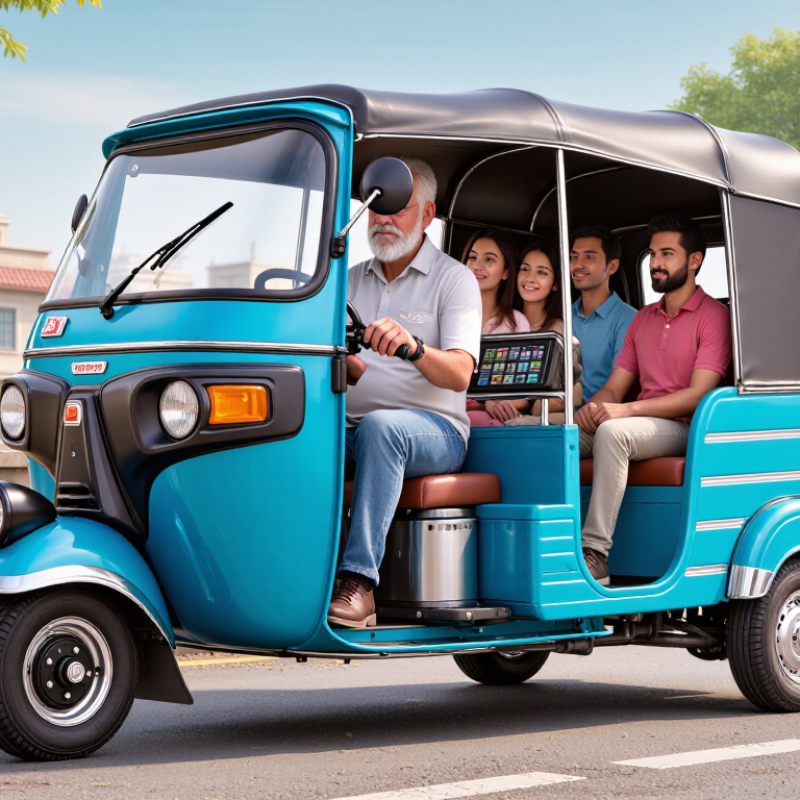
Choosing an electric rickshaw starts with its job, not its appearance. Passenger models work well for short urban trips and routine shuttle services. Cargo models use stronger frames, wider platforms, and different weight ratings. Enclosed versions offer better protection during rain, dust, and colder mornings.
Tip one: define the daily route. Flat streets, steep lanes, and rough roads demand different motors and suspension systems.
Tip two: check the payload carefully. Count passengers, tools, and cargo together. Overloading can reduce control and shorten component life.
Tip three: compare real operating range, not the advertised maximum. Heavy loads, hills, frequent stops, and cold weather reduce range. Leave a practical reserve.
Tip four: inspect charging access before purchase. A vehicle is less useful if its charger cannot reach your normal parking area.
Tip five: examine the battery warranty, replacement cost, and service availability. Battery details matter.
Safety deserves close attention.
Tip six: test the brakes, lights, mirrors, tires, seat belts, and windshield structure. Test them twice. A quiet motor does not compensate for weak stopping performance. Ask for maintenance records when buying used.
I once focused too much on battery capacity and overlooked poor suspension. That mistake made uneven roads uncomfortable and revealed how easily specifications can distract buyers.
Tip seven: match the cabin and seating layout to real passengers. A compact model may maneuver better, while a larger body may carry more but consume more energy. Confirm the rated motor power, charging time, ground clearance, and permitted road use with reliable documentation. Some sellers explain these details poorly, so verify every figure independently.
