







What Is the Best Ankle Brace With Straps in 2026?
What Is the Best Ankle Brace With Straps in 2026? The answer depends on how much support you need, how the brace fits, and what you plan to do while wearing it. An Ankle Brace With Straps can offer adjustable compression and help limit unwanted ankle movement. But no single design suits every foot, activity, or injury.
This guide explains what to look for when comparing strap-style braces, including support level, adjustability, comfort, and shoe compatibility. A brace should feel secure without causing numbness, pinching, or changes in skin color. Pay attention to strap placement, too: a bulky crossing pattern may rub against the top of your shoe, while loose straps can shift during a walk. Small details matter.
Fit can be tricky. A brace that feels supportive while sitting may feel restrictive after several minutes of movement. We’ll consider practical differences between designs and explain why sizing charts, return policies, and intended-use guidance deserve a close look. Recommendations should be weighed against your needs, not just product claims or star ratings.
Ankle braces do not diagnose or treat every cause of ankle pain. If pain is severe, swelling is significant, or walking is difficult, seek advice from a qualified healthcare professional. People recovering from an injury may also need guidance on when and how long to wear a brace. The best choice is one that feels stable, fits your footwear, and supports your care plan—not simply the one with the most straps.
What an Ankle Brace With Straps Is and How It Works
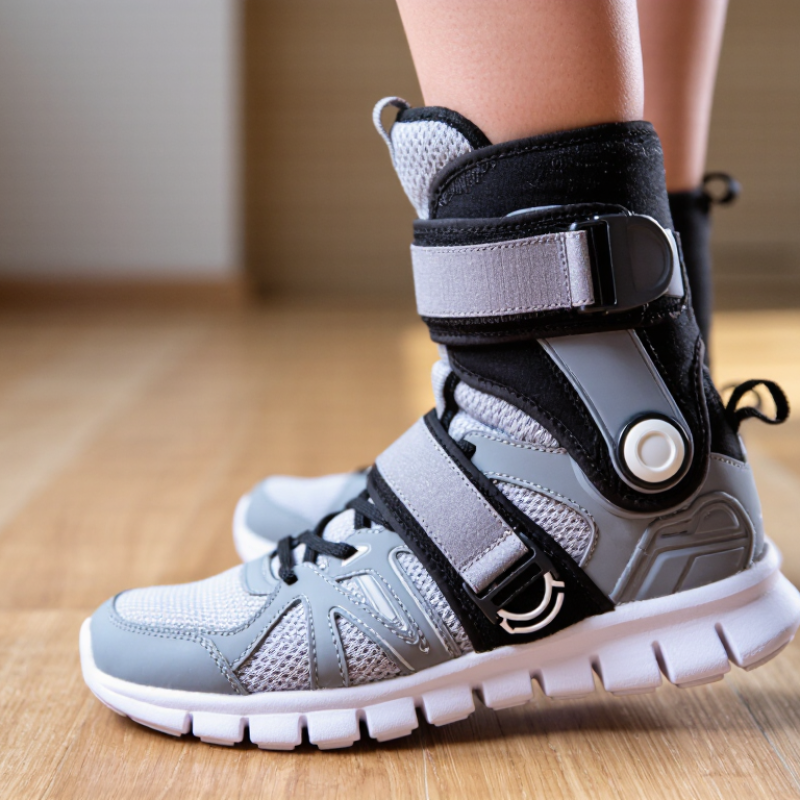
An ankle brace with straps is a supportive sleeve or open-sided brace that wraps around the ankle and secures with adjustable bands. Many straps cross over the top of the foot and around the lower leg, forming a figure-eight pattern. This helps limit excessive inward or outward rolling while still allowing some movement. It is not a cast, and it cannot repair injured tissue by itself.
The straps work through adjustable compression and mechanical support. Snug, even tension can make the ankle feel steadier during walking or sport; excessive tension may cause discomfort or numbness. Fit can be fiddly. A practical check: you should be able to move your toes, and the brace should not create sharp pressure at the ankle bones. The 2021 clinical practice guideline from the Journal of Orthopaedic & Sports Physical Therapy recommends external support alongside progressive weight-bearing for acute lateral ankle sprains. A brace is one option, not a substitute for rehabilitation.
Research also suggests the support choice should match the injury and activity. A 2016 systematic review in the British Journal of Sports Medicine found that ankle bracing reduced sprain risk in sports, with stronger preventive value for athletes with a previous sprain. That finding does not guarantee protection. If pain, swelling, or instability persists, a clinician can assess whether the brace fits the problem and whether exercises are needed.
