Who Are the Best Capsule Machine Manufacturers in China?
Choosing a Capsule Machine manufacturer in China takes more than comparing prices or polished catalog photos. The right partner should match your capsule format, production target, and site conditions. Ask how the machine handles changeovers, cleaning, and routine adjustments. Request clear specifications for output, filling accuracy, and compatible capsule sizes. Then compare those details with your actual production needs.
A useful quality principle comes from W. Edwards Deming, the manufacturing-quality expert: “A bad system will beat a good person every time.” His point matters here. A capable operator cannot compensate for weak documentation, inconsistent parts, or poor service support. Small details matter. Check whether the supplier can provide installation guidance, spare-parts information, and responsive technical assistance. Ask for a live demonstration using comparable settings, not just a staged machine running briefly. Evidence helps.
This guide examines Chinese Capsule Machine manufacturers through practical criteria: product range, engineering capability, quality controls, customization, and after-sales support. No single supplier is best for every buyer. A compact unit may suit a small facility, while a high-output line needs stronger service planning and process integration. Some claims will still need verification. That is worth admitting. Review specifications, request references where possible, and evaluate the machine against your own operating conditions before deciding.
What Capsule Machines Do and How They Are Used
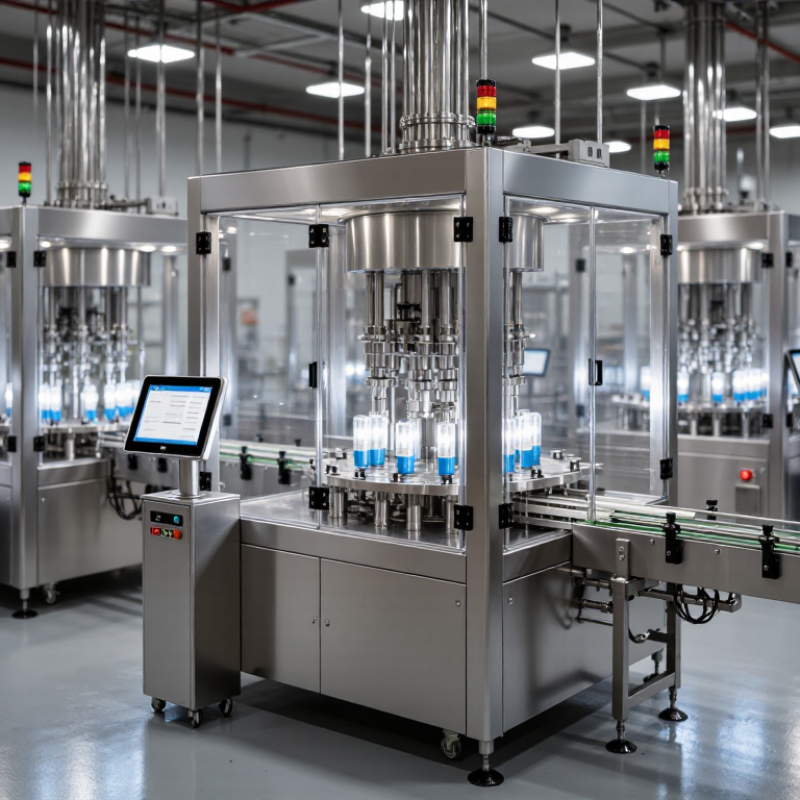
Capsule machines turn measured ingredients into uniform, easy-to-handle dosage units. Hard-shell systems orient two-piece shells, meter powder or pellets into them, then close and discharge each capsule. Softgel equipment forms, fills, and seals a gelatin-based shell in one continuous process. Different jobs. The machine must match the product’s material, capsule format, and production scale.
In a typical line, operators check shell feeding, dosing accuracy, fill weight, and closure. Powder can cling to tooling; pellets may separate unevenly. Those small variations matter. AAM’s 2024 U.S. Generic and Biosimilar Medicines Savings Report says generics accounted for 90% of prescriptions filled in 2023. That figure does not mean 90% were capsules, but it shows the scale of routine medicine production that equipment must support. Machine selection should consider cleaning access, changeover time, and in-process checks, not just advertised speed.
Capsule equipment is used in pharmaceutical plants and other controlled production settings to make consistent batches. A useful evaluation includes a trial with the intended formulation, because flow and settling behavior can change during operation. One point is easy to underestimate: faster output is not automatically better if rejects rise or cleaning takes longer. Even experienced teams need to verify performance under real operating conditions.
How to Evaluate Capsule Machine Manufacturers
When evaluating capsule machine manufacturers, examine the machine under real production conditions, not just in a showroom. Ask for a trial using your capsule size and powder, then inspect fill-weight variation, capsule damage, changeover time, and cleaning access. Request calibration records and service-response targets. A neat finish is not enough.
Quality systems matter. The World Health Organization’s 2017 report estimated that one in ten medical products in low- and middle-income countries is substandard or falsified. This is not a machine-performance statistic, but it underscores why documented controls and traceability matter. Check whether the manufacturer can provide equipment qualification documents, material certificates, inspection records, and a clear spare-parts plan. Verify claims with a site visit or an independent technical review. Some details get missed.
Tips: Bring your own capsules and product for the acceptance test. Record output, rejects, and stoppages across a sustained run—not just a short demonstration. Ask operators to perform a changeover while you watch. If a supplier cannot explain a defect log plainly, pause and ask again. Could your maintenance team actually support this machine?
How to Evaluate Capsule Machine Manufacturers
Suggested evaluation weights for comparing manufacturers. These are decision-making priorities, not measured ratings of specific companies.
Prioritize verified production performance, product quality, compliance documentation, and after-sales support. Adjust the weights to match your product, facility, and regulatory requirements.
Leading Capsule Machine Manufacturers in China
Leading capsule machine manufacturers in China are best assessed by engineering depth, not catalog size. A reliable supplier should explain how its dosing system handles powder flow, fill-weight variation, and capsule separation. Ask for test data using your actual formulation or a representative placebo. Small details matter: polished contact surfaces, accessible guards, clear alarm messages, and tool-free change parts can reduce cleaning and changeover time. See the machine run. A controlled factory acceptance test can reveal vibration, jam recovery, and operator access issues that brochures often omit.
Strong manufacturers also provide traceable component records, electrical drawings, operating manuals, spare-parts lists, and practical training. Check whether the team can discuss production speed alongside reject rate and maintenance intervals; speed alone is a weak comparison. Request references for similar output ranges, then speak directly with users where possible. Not every plant excels equally. Some offer flexible engineering but uneven documentation, so verify both before ordering. Consider response times, language support, and technician availability for installation. These checks cannot guarantee a smooth project, but they make supplier claims easier to test. A useful shortlist rests on witnessed trials, clear acceptance criteria, and candid answers—not impressive showroom lighting.
How Chinese Manufacturers Differ in Equipment and Support
Chinese capsule machine manufacturers differ in how they balance output, flexibility, and operator workload. Some offer compact machines for smaller batches, while others build high-speed lines with automatic feeding, dosing, closing, and rejection stations. Compare the dosing system, tooling range, and changeover steps—not only the advertised speed. Ask for a demonstration using your capsule size and fill material. Watch whether the machine runs steadily and whether operators can reach parts that need cleaning or adjustment. Small details matter.
Support can be just as important as equipment. A clear installation plan, practical operator training, spare-parts lists, and readable maintenance instructions reduce avoidable downtime. Ask how remote troubleshooting works and which components are normally kept in stock. Response times should be stated plainly, not implied. Request sample records for commissioning and routine checks, then confirm they match your site’s needs. A polished brochure can still leave gaps. I would also ask to speak with a current user, if possible. Some evaluations focus too heavily on speed; that is an easy mistake. The better choice is often the machine your team can operate, maintain, and support consistently over time.
How to Select a Manufacturer for Your Production Needs
Choosing a capsule machine starts with your actual product and shift plan, not the fastest number on a brochure. Define target output, capsule sizes, fill-weight range, changeover time, and powder behavior. Ask suppliers to run your material through a trial. Watch for powder dust, jams, and awkward cleaning points. I would not treat a polished demonstration as proof of reliable production.
Tips: Request a written factory acceptance test. Set measurable limits for output, fill-weight variation, and changeover time before ordering. Confirm which spare parts are stocked locally and how quickly technicians respond.
Check the machine’s data records, operator controls, and cleaning instructions against your quality system. McKinsey’s 2018 analysis of digital manufacturing use cases reported potential productivity gains of 10–30% and quality improvements of 10–20%; these are broad industry ranges, not a promise for one capsule machine. Use them as context, not a forecast. Review sample batch records, inspect change parts, and ask for references from facilities with similar products and shift patterns. A supplier may answer every question well. Still, verify performance during a documented trial, and record any unresolved issues before acceptance.