













What Is the Best Heavy Duty Truck Radiator in 2026?
Choosing the best Heavy duty truck radiator in 2026 is not a simple brand comparison. The right unit must control engine temperature under the truck’s actual workload, climate, and maintenance conditions. A radiator that performs well on highway routes may struggle in slow, dusty work. Fit matters, too.
The financial stakes are real. The American Transportation Research Institute’s An Analysis of the Operational Costs of Trucking: 2024 Update reported average operating costs of $2.270 per mile in 2023. That figure covers many expenses, not radiator failures alone. Still, it shows why unplanned downtime and repeat repairs deserve attention. A leaking seam or clogged core can turn a routine inspection into lost hours.
Look beyond advertised cooling capacity. Compare core construction, material, pressure rating, dimensions, warranty terms, and parts availability. Check that specifications match the engine and vehicle configuration, then confirm them with the manufacturer or a qualified technician. In the sections ahead, we’ll weigh these details against demanding operating conditions and common replacement needs. No single model wins every route. That is the less tidy answer, but it is the honest one. A polished product page cannot replace verified fitment, clear documentation, and evidence from service use.
What a Heavy-Duty Truck Radiator Does
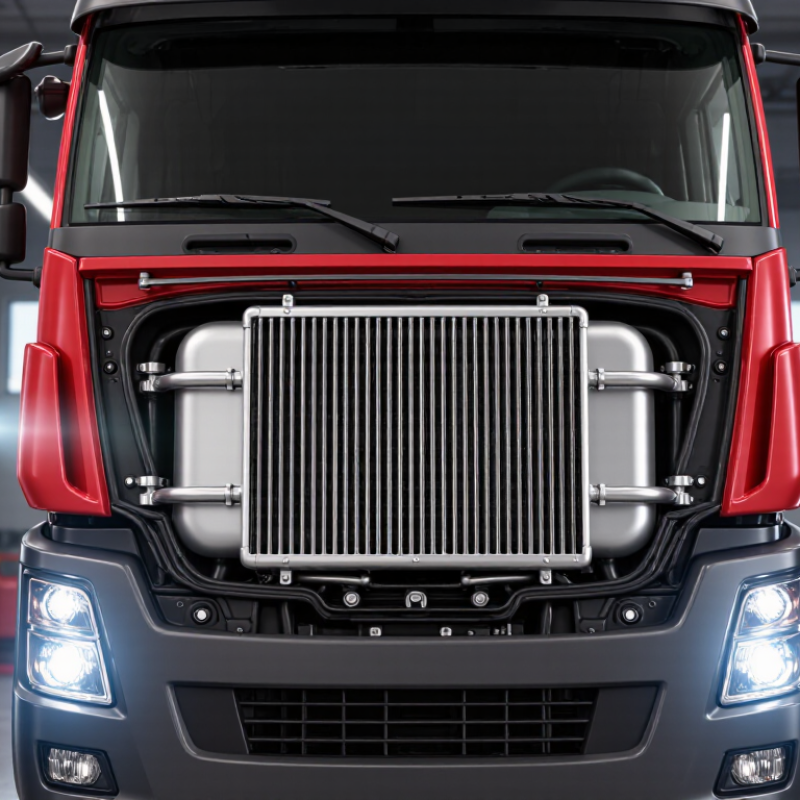
A heavy-duty truck radiator transfers engine heat to the outside air. Hot coolant enters the radiator, flows through narrow tubes, and releases heat through metal fins. A fan and road airflow carry that heat away. Cooler coolant then returns to the engine, helping it maintain a stable operating temperature under load.
This matters on long climbs, in slow traffic, and while hauling heavy cargo. NIST reference data puts water’s specific heat near 4.18 kJ/kg·K at room temperature, which helps explain its ability to carry heat. Real coolant mixtures behave differently, and airflow, radiator condition, and system pressure all affect performance. A single dashboard reading cannot reveal every fault. That is an imperfect diagnostic shortcut.
Tips: Check coolant level only when the system is cool. Look for bent fins, debris, leaks, or a fan that fails to engage. Follow the vehicle maker’s service schedule, and use the specified coolant mixture. A clean radiator can still underperform if airflow is blocked.
