











10 Best Intramedullary Nail Manufacturers for Global Buyers
Choosing an intramedullary nail manufacturer is more than comparing product catalogs. Buyers need to assess implant design, material quality, production consistency, and the evidence behind a supplier’s claims. A nail may look straightforward on a product page. In practice, its dimensions, locking options, instrumentation, and compatibility can affect surgical workflow and inventory planning.
This guide introduces 10 manufacturers for global buyers and offers a practical starting point for supplier research. It considers factors such as product range, quality-management systems, technical documentation, manufacturing capabilities, and after-sales support. These details matter. So do clear responses to questions about traceability, packaging, and product changes. Buyers should verify current certificates and market-specific requirements directly with each company; approvals and availability can vary by region and product. No shortlist can replace due diligence.
A polished website is not proof of dependable supply. Ask for relevant documentation, review the manufacturer’s experience, and confirm how it handles training, complaints, and service needs. Where possible, compare specifications against the intended clinical application with qualified professionals. This process takes time. It can also reveal gaps that a brief comparison misses. The companies featured here may suit different purchasing priorities, but no single manufacturer will fit every hospital, distributor, or market. Use the list as a starting point, then make decisions based on verified information and local clinical needs.
What Intramedullary Nails Are and How They Are Used
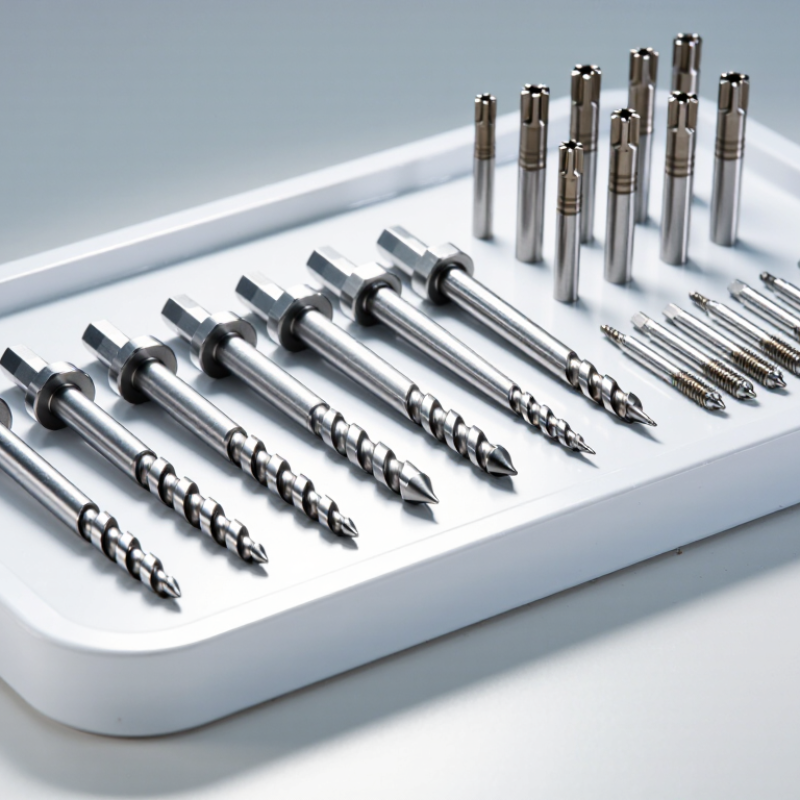
An intramedullary nail is a metal rod placed inside the central canal of a long bone to help stabilize a fracture. Surgeons commonly use these implants for selected breaks in the femur, tibia, or humerus. It is not a cast. The nail sits within the bone, while locking screws near its ends help limit rotation and changes in length.
During surgery, the team uses imaging to guide the nail through a small opening and check its position. The exact approach depends on the fracture’s location, pattern, and the patient’s condition. A nail can share the load with the healing bone, which may support earlier movement in suitable cases. But it does not make every fracture simple, and recovery varies.
After surgery, follow-up visits and X-rays help clinicians assess alignment and bone healing. Patients may need to limit weight-bearing or follow a tailored rehabilitation plan. Details matter: a fracture close to a joint, for example, may require a different fixation strategy. Even a well-positioned implant cannot replace careful monitoring. Healing can be uneven, and the reasons are not always obvious at the first appointment.
