









Which Are the Best Liposuction Aspirator Machines in 2026?
Choosing the best Liposuction Aspirator Machines in 2026 means looking beyond suction power. In clinical settings, predictable control, reliable operation, and a suitable setup matter. A machine should fit the procedure, the clinician’s technique, and the team’s workflow.
A useful expert lens comes from Dr. Jeffrey A. Klein, the dermatologist associated with developing tumescent liposuction. A principle drawn from his work, paraphrased here, is: “Control and technique matter more than suction power alone.” This is not a direct quotation. It is a reminder that equipment supports clinical judgment; it does not replace it.
This guide compares machines by practical features: vacuum control, collection capacity, portability, noise, maintenance, and manufacturer support. It also considers documentation and availability, which can differ by market. Small details count. A clear pressure display and an accessible canister may matter during a long operating day.
There is no perfect machine. Specs can mislead. Published figures do not always reveal how equipment feels in daily use, and this guide cannot replace hands-on evaluation by qualified professionals. Readers should verify current specifications with manufacturers and assess products with their clinical teams. The aim is a careful shortlist—not a universal winner—and a more informed view of which Liposuction Aspirator Machines may suit different professional needs.
What Is a Liposuction Aspirator Machine?
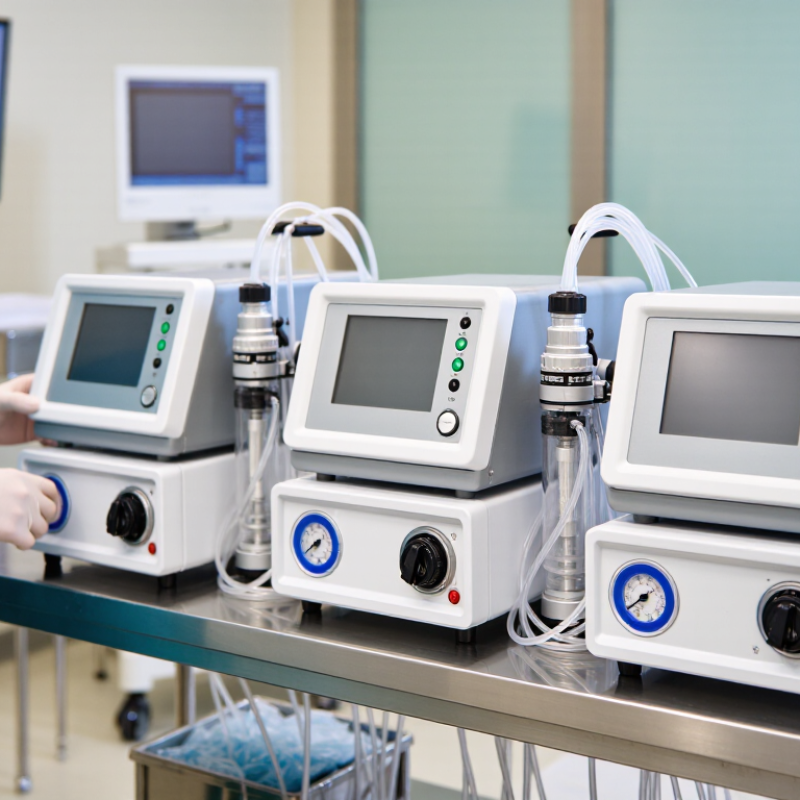
A liposuction aspirator machine creates controlled suction to draw fat through a hollow cannula and into a collection canister. Its core parts include a vacuum pump, pressure controls, tubing, and a sealed container. The surgeon moves the cannula beneath the skin while monitoring tissue response and suction. Small details matter: stable pressure, clear readings, and tubing that does not kink can support consistent operation. The machine removes aspirated material; it does not assess a patient or replace surgical judgment. That distinction matters.
The International Society of Aesthetic Plastic Surgery’s 2023 Global Survey estimated about 2.06 million liposuction procedures worldwide, making it the most frequently reported surgical aesthetic procedure that year. This figure describes procedures, not aspirator sales or device performance. It does show why understanding the equipment is useful. Some systems support conventional suction, while others may integrate powered cannula movement or fluid-management features. More features do not automatically mean better results. Clinicians should assess suction stability, canister capacity, alarms, cleaning requirements, and compatibility with their technique. There is no perfect specification sheet. In practice, setup, maintenance, and operator experience also shape how a machine performs.
