








What Is the Best Rescue Drone to Buy in 2026?
In 2026, choosing the best Rescue Drone is less about finding the most impressive specification sheet and more about matching equipment to real search conditions. A coastal team may need thermal imaging and reliable video transmission, while a volunteer group searching wooded trails may value compact folding arms and quick battery swaps. The right choice depends on who will fly, where the aircraft will operate, and what information rescuers need. That sounds obvious. It is often overlooked.
This guide compares the features that matter most: usable flight time, camera performance, wind resistance, obstacle sensing, payload capacity, control range, and after-sales support. Manufacturer figures deserve a careful reading. Advertised flight times may assume mild weather and a light payload, conditions that do not always reflect a cold, windy search. A bright screen and clear controls matter, too, especially when crews are tired or wearing gloves. Small details count.
No single model is best for every mission, and a higher price does not guarantee better field performance. We will look at practical strengths and limitations, including battery availability, training needs, durability, and the cost of replacing parts. We will also note where published information is incomplete, since honest uncertainty is more useful than confident guesswork. Before buying, teams should check current local aviation and privacy requirements and assess their own operating procedures. The aim is a grounded shortlist—not a promise that any drone can solve every emergency.
What Rescue Drones Are Designed to Do in 2026
What Is the Best Rescue Drone to Buy in 2026?
What Rescue Drones Are Designed to Do in 2026
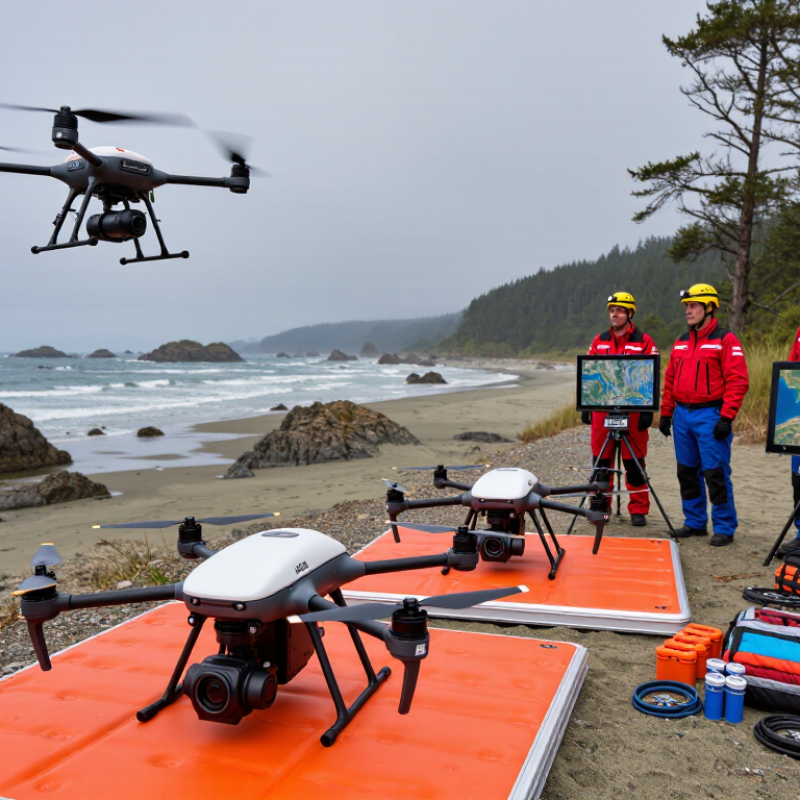
In 2026, rescue drones are designed to give response teams a quicker view of difficult terrain. They can scan shorelines, flooded streets, forests, and damaged roads from above. Thermal cameras may help locate a person after dark, while zoom cameras show details from a safer distance. But rain, wet clothing, and warm rooftops can confuse thermal images. Useful, not magic.
A capable rescue drone can mark coordinates, stream video to a field team, and carry a small emergency payload, such as a radio or medical supplies. Some models use loudspeakers to share instructions with people who are stranded. Flight time matters: a battery that looks adequate on paper may leave little reserve in cold wind. Check how quickly batteries can be changed, too.
For buyers, the best choice depends on the actual rescue task, not the longest feature list. Search teams may value thermal imaging and stable flight; flood response teams may need reliable links and clear mapping. Cameras cannot replace trained searchers, and a drone is only useful when someone can interpret its feed. Practice in realistic conditions. That part is easy to underestimate.
