












10 Best Wheelchair Accessible Cars for 2026
Choosing a Wheelchair Accessible Car is not simply a matter of fitting a ramp. The doorway must clear the chair, the floor must provide usable headroom, and the securement system must feel practical on an ordinary trip. Small details matter. A steep driveway can change the decision.
The U.S. Bureau of Transportation Statistics analyzed 2017 National Household Travel Survey data and estimated that 25.5 million Americans had disabilities that made traveling outside the home difficult. That figure gives important context, though it does not measure demand for accessible vehicles alone. Accessibility design pioneer Ronald L. Mace defined universal design as “the design of products and environments to be usable by all people, to the greatest extent possible, without the need for adaptation or specialized design.” His principle offers a useful lens for comparing vehicles, even though a converted vehicle still requires choices tailored to individual needs.
This guide examines 10 options for 2026, including minivans and other vehicles adapted with ramps or lifts. It considers entry height, interior space, wheelchair securement, seating arrangements, and everyday usability. A roomy cabin can still feel awkward if the ramp angle is too sharp. And specifications do not replace a hands-on fit check. Buyers should confirm measurements, conversion details, warranty coverage, and local service support with the manufacturer or mobility dealer. The comparisons that follow are a starting point, not a substitute for trying the vehicle with the wheelchair and passenger who will use it.

Understanding Wheelchair-Accessible Cars and Conversion Options
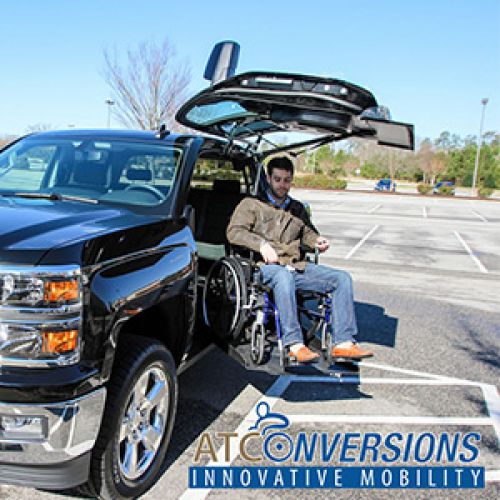
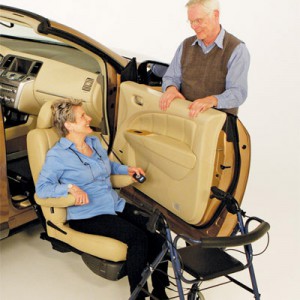
A wheelchair-accessible car is more than a vehicle with a ramp. It is a mobility setup designed around how someone enters, rides, and exits. Some vehicles have a lowered floor, wider doorway, and side-entry ramp; others use rear entry, a lift, or modified seating. The best layout depends on wheelchair dimensions, seated height, transfer ability, caregiver needs, and passenger space. Small details matter: doorway clearance, ramp angle, headroom, and room to turn. Fit matters more. Measure the occupied wheelchair, not just its folded dimensions. When possible, test the full route from curb to seating position.
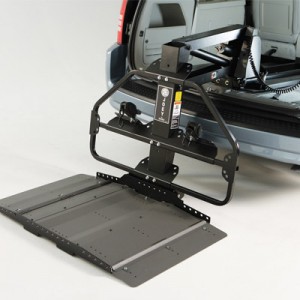
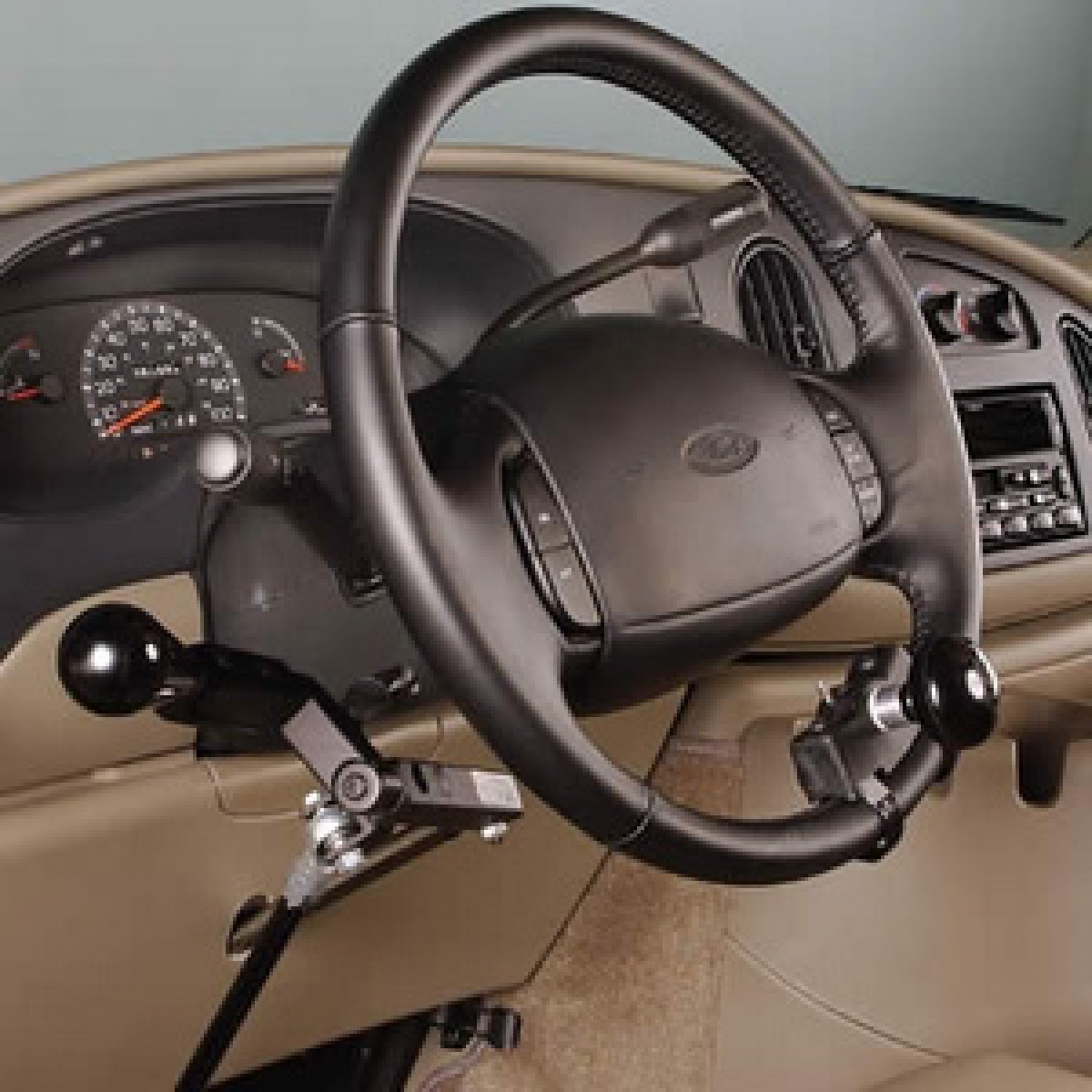
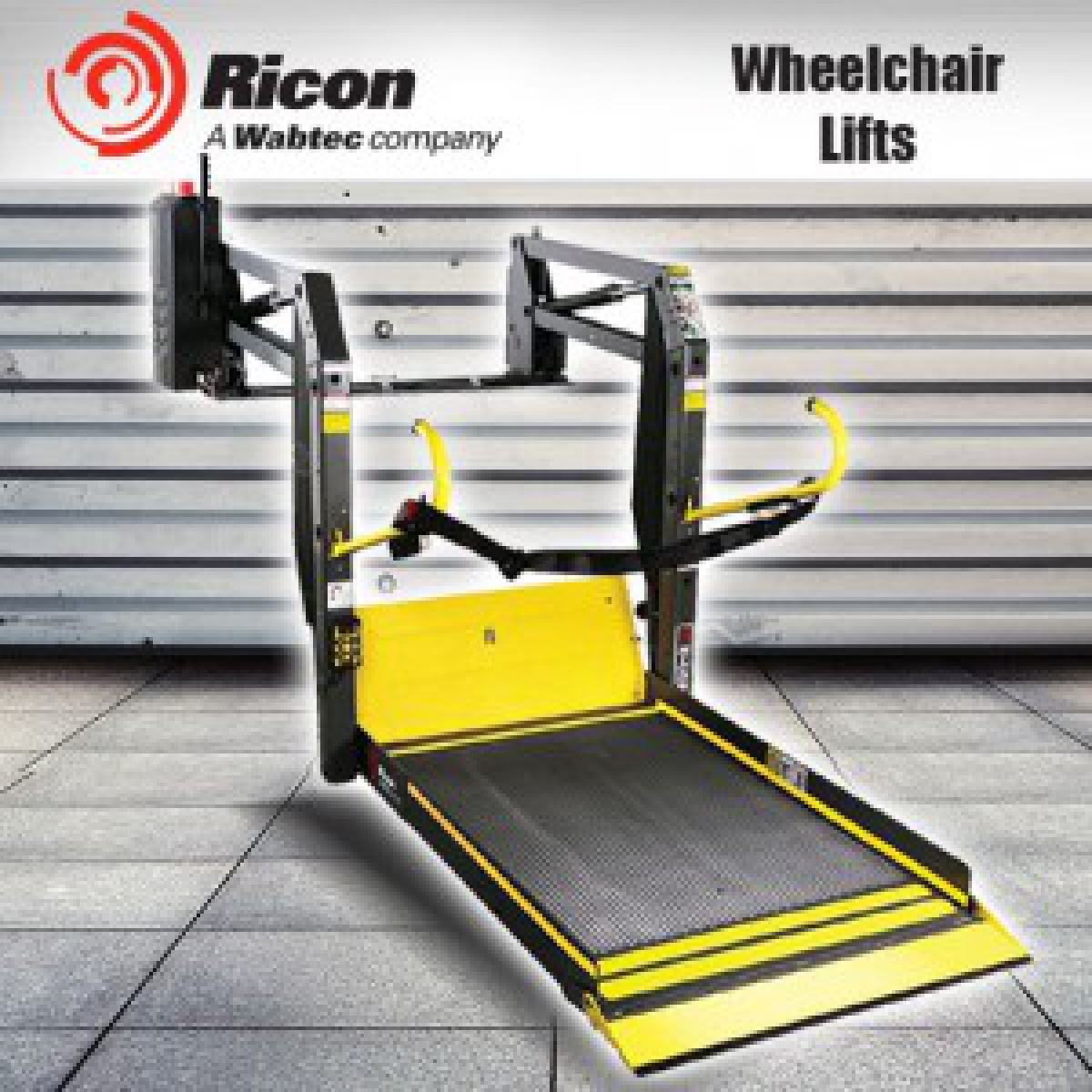
Conversion options vary. A lowered floor can create useful interior height, while a lift may suit heavier chairs or limited upper-body strength. Hand controls and repositioned seats may also help, but they require individual assessment and practice. Ask a qualified mobility specialist how the changes affect vehicle access, seating, restraints, maintenance, and warranty coverage. A wheelchair’s securement system and the passenger’s seat belt serve different purposes; both need to fit correctly. Try loading the chair and taking a short drive before committing. It may feel awkward at first. That deserves attention, not dismissal. A setup that works in a showroom can be tiring on a narrow driveway or uneven pavement.
Related Posts
-

2026 Best Handicap Accessible Vehicles for Global Buyers?
-

How to Choose the Best Handicap Car in 2026?
-

10 Best Handicap Vans for Comfortable Travel and Accessibility Options?
-

China Top 10 Handicap Accessible Vans for Comfortable Travel Options?
-

How to Choose Accessible Vehicles for Global Buyers?
-

Explore the Rise of Accessible Vans at the Thriving 137th Canton Fair
