


















How to Buy a Vintage Tourist Car in 2026?
Buying a Vintage Tourist Car in 2026 takes more than spotting charming paintwork and a sun-faded travel badge. The phrase “tourist car” can describe different vehicles across markets, so confirm the model, intended use, and documentation before comparing prices. A roomy rear seat, folding roof, or luggage rack may look perfect for a scenic drive. Rust beneath the floor mats can change the whole calculation.
Industry data can add context, but it cannot inspect an individual car. S&P Global Mobility reported that the average age of U.S. light vehicles reached 12.6 years in 2024, reflecting a longer-lasting vehicle fleet—not a valuation for vintage cars. Hagerty’s Market Rating and annual Bull Market List offer additional collector-market signals, yet neither should replace recent comparable sales or an independent mechanical inspection. Treat asking prices as clues, not proof. That distinction matters.
Before making an offer, check the vehicle’s identity and ownership records, inspect the chassis and body, and arrange a specialist assessment. Ask for cold-start evidence, maintenance invoices, and close photographs of vulnerable areas. A shiny dashboard can still conceal costly neglect. I would not insist every buyer needs a concours-level report; that can make an honest, usable car feel unreachable. Still, skipping inspection is a gamble. Compare likely repair costs, parts availability, storage needs, and local registration requirements against your budget. A careful purchase may mean choosing sound brakes and a documented engine over rare accessories. The best car is not always the prettiest one.
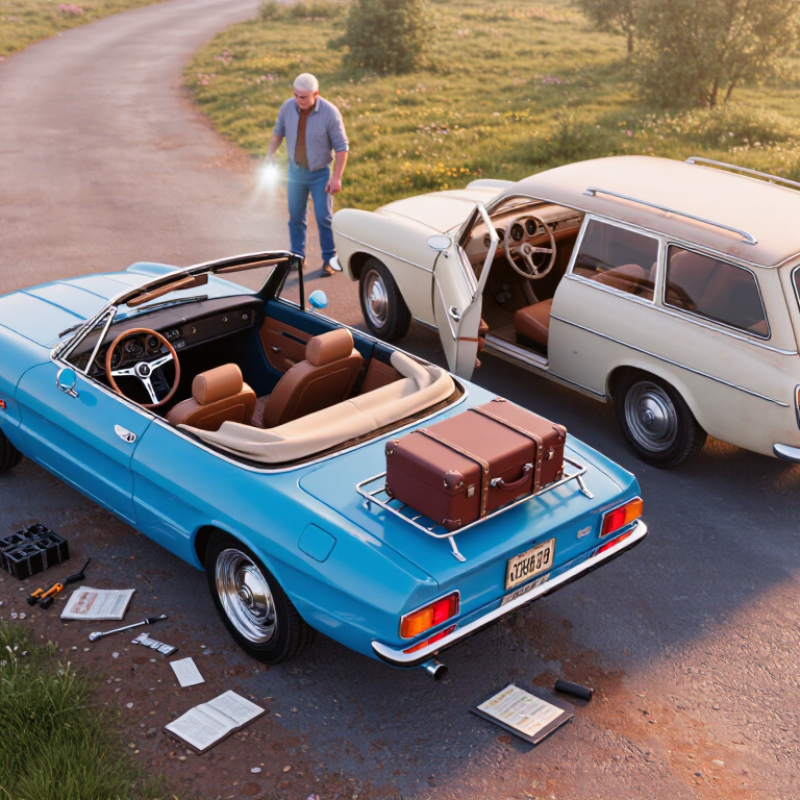
Define What Qualifies as a Vintage Tourist Car
A “vintage tourist car” is not a universally fixed category. In many collector contexts, “vintage” points to an early motoring period. Dates differ by country and specialist club. The body style matters too. A traditional touring car usually carries several passengers and has an open or folding-top cabin. It also offers room for modest luggage and was built for outings, not merely display. That distinction matters.
For a 2026 purchase, judge the car by evidence, not an advertisement’s label. Check its build year, chassis and body records, and whether major components fit its period. Ask which parts are original, replaced, or recreated. A tidy repaint can hide uneven repairs beneath the doors. Inspect the timber frame, floor, brakes, steering, cooling system, and top mechanism with a qualified mechanic. Cold starts and short test drives reveal useful clues, but cannot replace a careful inspection. Bring a notebook. A genuine touring layout may still feel uncomfortable, slow, or difficult to maintain on modern trips. Decide whether you want historical character, usable touring ability, or both before comparing cars. The boundary can remain uncertain, especially when a car has been substantially modified.
