












How to Buy Ursolic Acid Powder in Bulk
Buying Ursolic Acid Powder in bulk is not simply a price comparison. Buyers need to assess identity, assay, batch consistency, and documentation before requesting a large shipment. A low quotation can look attractive. It may also leave important questions unanswered.
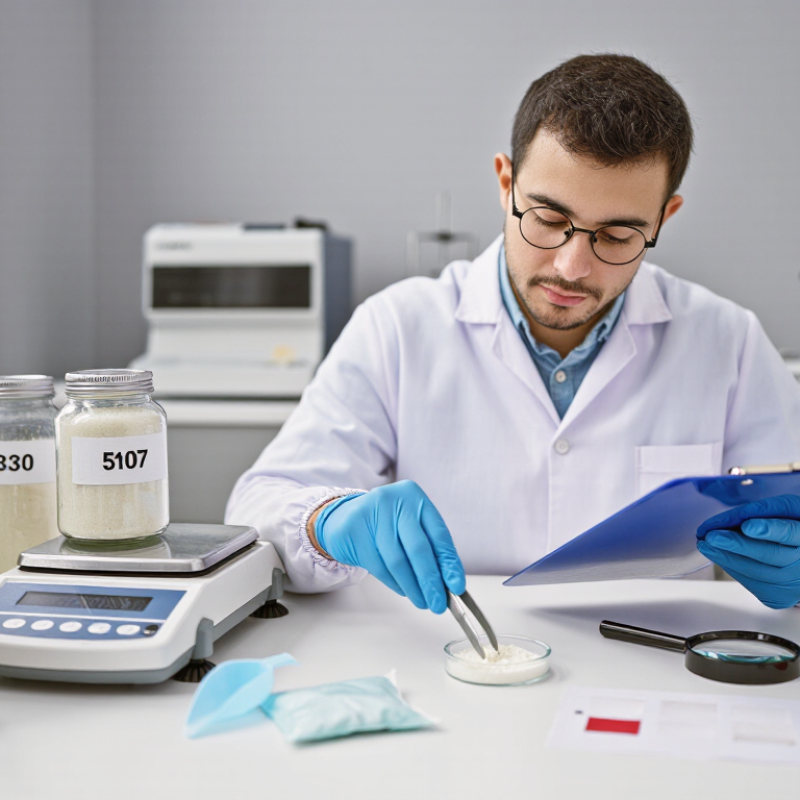
A reliable supplier should provide a current certificate of analysis, test methods, specification limits, and a traceable batch number. Ask how the material is extracted, what carrier or processing aids are used, and whether the product’s stated ursolic acid content is supported by a suitable analytical method. Check sample color, odor, and powder flow, too; these details do not prove purity, but they can help flag differences between batches. Confirm packaging, storage conditions, lead times, and sample-to-production consistency in writing.
No source article or interview was provided, so I can’t responsibly attribute a direct quotation to a named industry expert. A useful buyer’s principle is: “Verify the batch before you scale the order.” It is plain advice, not a substitute for expert review. This guide will help you compare suppliers, request the right records, evaluate samples, and plan a bulk purchase with fewer surprises. Even a careful checklist has limits. Independent testing may still be warranted when specifications or results seem unclear.
Define Bulk Ursolic Acid Powder Requirements
How to Buy Ursolic Acid Powder in Bulk
Define Bulk Ursolic Acid Powder Requirements
Before requesting quotes, write a clear specification. State the intended use, required grade, target quantity, and acceptable ursolic acid assay range. Ask whether the assay is reported on an as-is or dry-weight basis. That detail can change how two offers compare. Specify test methods for identity and assay, plus limits for moisture, residual solvents, heavy metals, and microbial contamination. Request a recent, batch-specific certificate of analysis and confirm that an independent laboratory can verify key results. Grand View Research estimated the global dietary supplements market at USD 163.9 billion in 2022; that broad market figure signals demand, but it does not establish ursolic acid quality or supplier capability.
Set practical handling requirements too. Choose a particle-size range that suits your blending or formulation process, and define packaging, storage temperature, and shelf-life documentation. For example, a 25-kilogram order may arrive in lined drums; check that the inner liner protects the powder from moisture during transit. It is easy to over-specify. Still, leaving these details blank can make samples and production lots difficult to compare.
Tips: Request a representative sample and compare it with the same written specification used for the full order. Check lot number consistency, test dates, and report units. Keep a retained sample for later review. A polished certificate is useful, but the underlying methods and traceability matter more.
