














China Best Paper Cup Raw Material Supplier?
Choosing the China best Paper Cup Raw Material supplier is not simply a price comparison. It requires practical knowledge of fiber quality, coating performance, food-contact safety, and delivery reliability. The right Paper Cup Raw Material should support smooth forming, stable printing, and consistent sealing during high-speed production.
A dependable supplier should provide clear technical data for paperboard weight, moisture range, stiffness, and coating type. Materials may include PE-coated, water-based coated, or PLA-coated paper, depending on the cup design and local market requirements. Sample rolls can reveal problems that brochures hide, such as curling edges, uneven coating, or weak heat sealing. Small details matter.
Experience matters here.
Professional buyers should review production records, quality-control procedures, laboratory reports, and relevant certifications. Factory audits can also confirm whether the supplier controls pulp sourcing, coating thickness, storage conditions, and batch traceability. However, certificates alone are not enough. Their scope, issuing body, and validity should be checked carefully.
The word “best” can be misleading. A supplier offering the lowest price may create higher waste, delayed shipments, or unstable cup quality. A premium supplier may not fit every order volume or technical requirement. That assumption needs testing. Comparing trial results, communication speed, complaint handling, and long-term capacity gives a more reliable picture. This guide will examine leading Chinese suppliers through these practical standards, helping buyers make a safer and more informed sourcing decision.
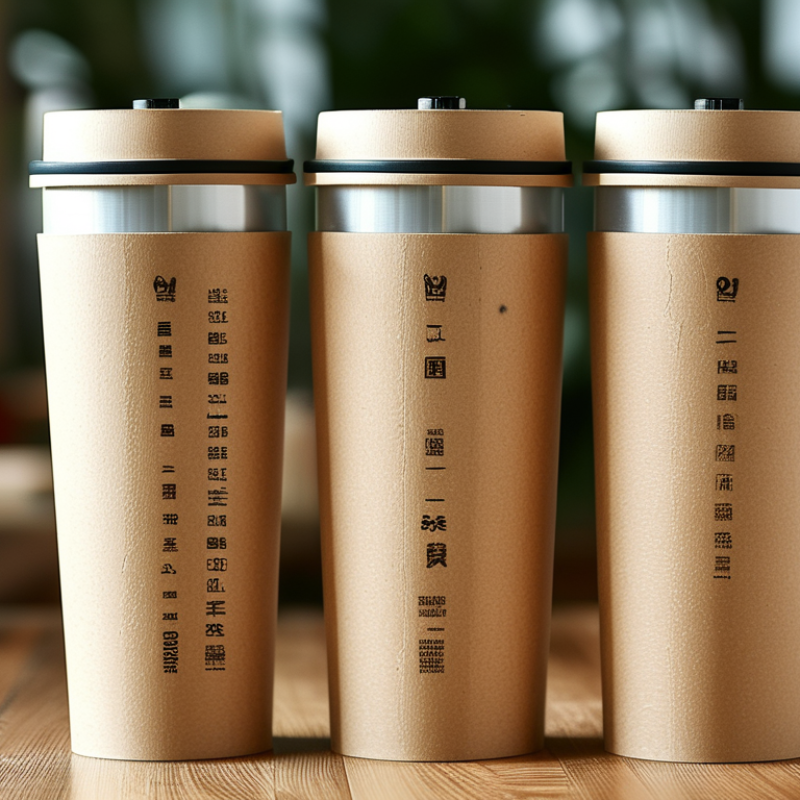
What Defines a High-Quality Paper Cup Raw Material Supplier in China?
China Best Paper Cup Raw Material Supplier?
What Defines a High-Quality Paper Cup Raw Material Supplier in China?
In practical sourcing, quality starts with stable paper, not attractive quotations. A reliable supplier controls paperboard weight, stiffness, moisture, and surface smoothness. These details affect cup forming, sealing, printing, and customer safety.
Ask for recent technical data and production samples. The paper should run smoothly through forming equipment without frequent wrinkles or edge splitting. Check the polyethylene coating for even coverage. Uneven coating can cause leaks around the bottom seal. Small defects matter.
A professional supplier should explain fiber sources, coating specifications, and storage conditions clearly. They should also provide batch numbers, inspection records, and relevant food-contact testing documents.
Independent testing is useful when the application has strict requirements. Paper stored in a humid warehouse may curl before production begins.
Do not rely on certificates alone. Paperwork can be correct while factory control remains weak. Request samples from different batches and compare thickness, moisture, and sealing performance. A dependable supplier welcomes technical questions and gives traceable answers. Communication speed matters, too. Delayed replies may create production risks later.
No supplier is perfect. Even experienced manufacturers can face seasonal moisture changes or transport damage. What matters is whether they identify the problem, record its cause, and correct it openly. In my view, that response often reveals more than a polished sales presentation.
