








China Top Car Garage Lift Manufacturers and Suppliers?
Choosing a Car Garage Lift is a practical decision that affects daily workflow, vehicle access, and workshop safety. Buyers comparing Chinese manufacturers and suppliers should look beyond price and product photos. A lift must fit the vehicles being serviced, the available floor space, and the shop’s ceiling height. Small details matter. Check rated capacity, lifting height, platform dimensions, locking systems, and power requirements against the intended use. Ask how the equipment is tested and what inspection or maintenance guidance comes with it. A clear answer is more useful than a broad promise.
China has a wide range of lifting-equipment manufacturers and trading suppliers, but their experience and capabilities can differ. This guide introduces points to consider when evaluating companies, comparing lift types, and requesting quotations. Look for detailed specifications, product documentation, transparent warranty terms, and responsive technical support. Ask whether the supplier can provide installation guidance, spare-parts information, and references for similar equipment. A factory visit or video inspection may help clarify production and quality-control processes, though neither replaces careful document review. Do not assume every listing represents the actual manufacturer. That can be easy to overlook. Confirm who handles production, export coordination, and after-sales service before placing an order. No single checklist guarantees a perfect purchase, and requirements vary by workshop. Use the details in this guide to ask better questions and judge whether a supplier’s claims match your needs.
Understanding Car Garage Lifts and Their Main Types
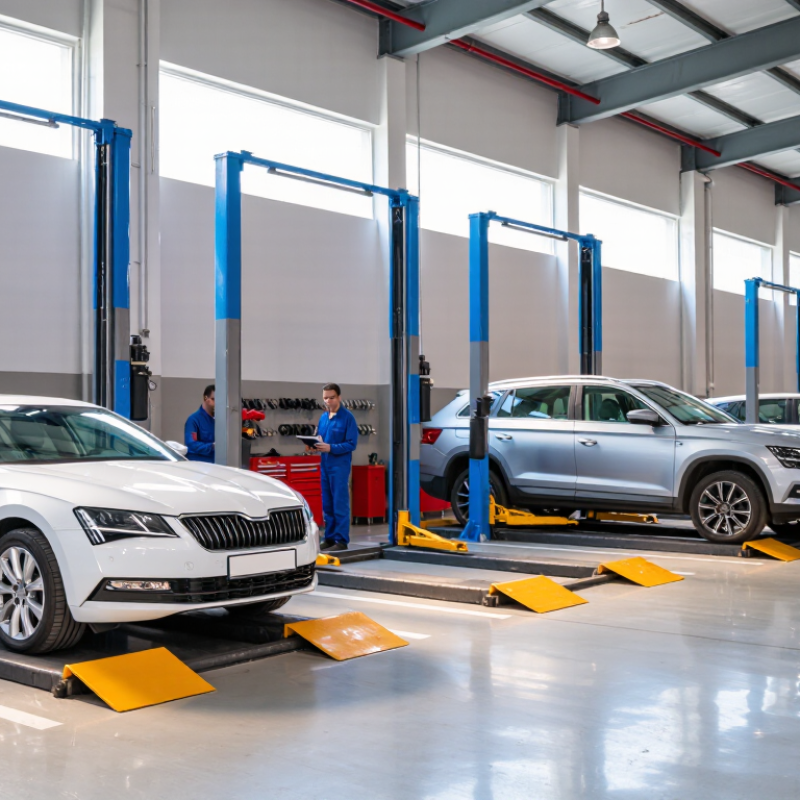
A car garage lift raises a vehicle to create access beneath it, but the right design depends on the work and the room. Two-post lifts use paired columns and swing arms to support a vehicle at designated lifting points. They leave the wheels accessible, which helps with brake and suspension repairs. Proper positioning matters. A small setup error can affect stability.
Four-post lifts support the tires on long runways. Their broad platforms can suit storage, inspections, or some service tasks, though wheel-free work may require additional equipment. Scissor lifts rise on linked platforms and often have a compact footprint. Some sit close to the floor; others need a recessed installation. Single-post lifts can save space, but their capacity and installation requirements deserve close review.
Measure more than the vehicle’s length. Check ceiling height, floor condition, doorway clearance, and the lift’s rated capacity against the vehicles you expect to service. A lift that fits on paper may still obstruct lights or leave too little room to open a door. Read the installation and operating instructions, and have the supporting structure assessed when required. In practice, choosing the cheapest or smallest option can be tempting. It is not always the sensible choice.
