














China Top Products for Venous Ulcers?
Choosing products for Venous Ulcers means looking beyond attractive packaging or a low purchase price. The right option depends on the wound, the patient’s circulation, skin condition, and care plan. In China, buyers may encounter dressings, compression systems, skin-protection products, and fixation materials from many manufacturers. The range is broad. Quality and supporting evidence can vary.
A useful overview should explain what each product is designed to do and what buyers should check before considering it. Look for clear intended-use information, relevant product documentation, sterile status where applicable, traceability, and evidence that supports the manufacturer’s claims. Product names alone are not proof of performance. That comparison is not always neat.
Compression can be an important part of care for some patients, but it is not suitable for everyone and requires appropriate clinical assessment. A qualified healthcare professional should guide treatment and wound-product selection. This article will examine notable product categories and practical supplier checks without treating any brand or country as an automatic guarantee of quality. There is no single winner. Readers should also remember that product information cannot replace an individual assessment, and available evidence may leave important questions unanswered.
Understanding Venous Ulcers and Their Treatment Needs
Venous ulcers are open wounds, usually around the inner ankle, caused by poor blood return through leg veins. They may look small but can leak fluid, hurt, and take months to heal. NICE guidance estimates that venous disease causes 60–80% of leg ulcers. That figure matters when choosing care products from China: the wound’s cause should guide the purchase, not a product ranking.
Compression is central to treatment when arterial circulation is adequate. The 2022 European Society for Vascular Surgery guidelines recommend compression for active venous leg ulcers, while clinical assessment helps determine whether it is safe and how much pressure is appropriate. A clinician may check circulation with an ankle-brachial pressure index before applying compression. Not a guess. Dressings manage fluid and protect the wound; skin barriers can help protect fragile surrounding tissue. No single dressing suits every wound. It is easy to oversimplify this.
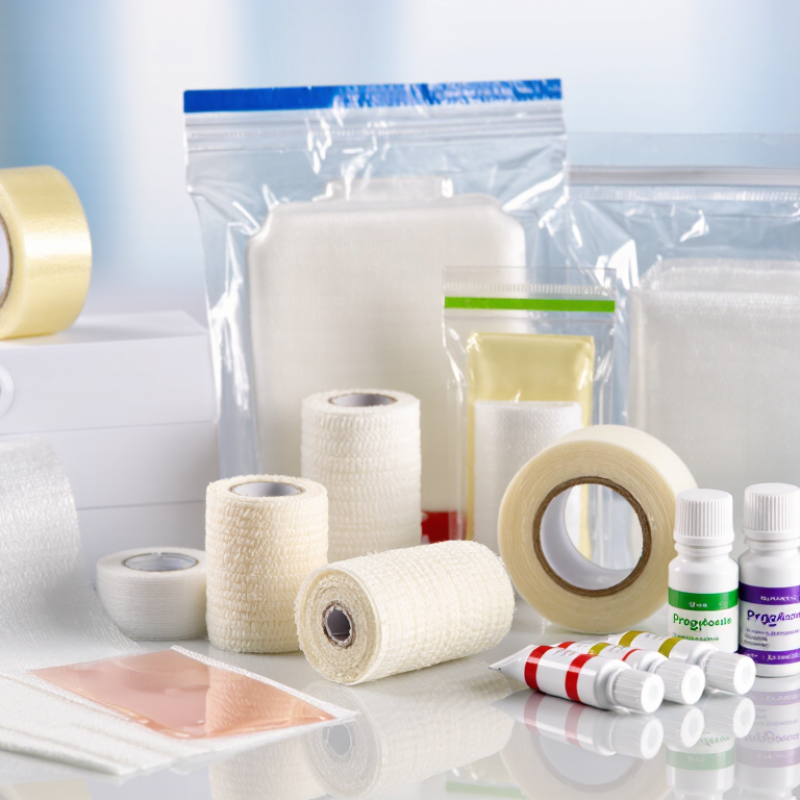
For buyers comparing Chinese-made products, practical details count: consistent compression, clear sizing, breathable materials, and documented quality testing. Match absorbency to the wound’s drainage, and check that instructions explain use and warnings plainly. A dressing cannot correct underlying venous pressure. Follow-up matters, too; clinicians may adjust compression as swelling changes. The best choice is the one that fits the patient’s circulation, wound condition, and care plan.
