Why Choose a Handicapped Accessible Van for Your Needs?
When considering mobility options, a Handicapped Accessible Van is essential for many individuals and families. These vehicles offer convenience and independence, making daily activities easier. With the right modifications, they bridge the gap caused by physical barriers.
For those with mobility challenges, a Handicapped Accessible Van can transform the way you travel. Imagine not feeling confined or limited by accessible transportation issues. These vans provide dependable options for errands, social outings, and road trips. Each accessible feature caters to unique needs, fostering a sense of empowerment.
However, it's crucial to reflect on specific requirements before making a purchase. Not all vehicles are created equal, and choices vary widely. Spend time evaluating options and features to find the perfect fit. Choose a van that genuinely enhances your life, ensuring your freedom of movement and comfort on every journey.
Understanding the Importance of Handicapped Accessible Vans
Handicapped accessible vans are essential for many individuals with mobility challenges. They provide freedom and independence, allowing users to travel comfortably. The importance of these vans extends beyond just transportation; they enhance quality of life. Easy access helps in daily activities, whether going to work, attending social events, or visiting family.
Comfort is key when choosing a van. Look for features like low floors and spacious interiors. These elements can make a huge difference. Users often need to maneuver wheelchairs securely. It's also vital to consider ramp options. A motorized ramp may be easier to use compared to a manual one. Ensure the van has an adequate turning radius for urban environments.
Incorporating personal touches can improve the experience. Some individuals prefer specific seating arrangements. Small adjustments can lead to better comfort. Reflect on what you truly need from a van. No solution is one-size-fits-all. Assess whether safety features align with your lifestyle. Prioritizing safety is crucial, especially for those using mobility aids. Finding the right vehicle can take time, but it's worth the effort for the added independence.
Key Features of Handicapped Accessible Vans for Enhanced Mobility
Handicapped accessible vans are designed to provide enhanced mobility for individuals with disabilities. These vans typically feature ramps or lifts that allow easy entry and exit. According to a 2021 report by the National Mobility Equipment Dealers Association, about 1 in 5 Americans has a disability that can impact mobility. This statistic highlights the importance of accessible transportation solutions.
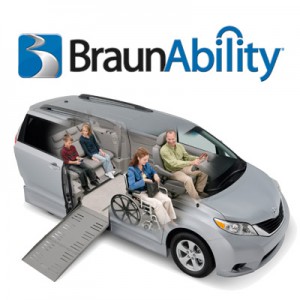
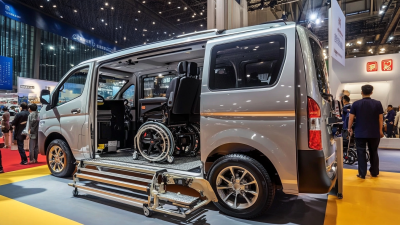
One key feature is the interior space. Accessible vans often have a wider doorway and lower floor, creating more room for maneuvering. The seating arrangement can be tailored to individual needs, whether to accommodate a wheelchair or provide removable seats for more passengers. Research shows that customized features can significantly improve comfort and safety, which are essential for users and caregivers alike.
Safety is another critical aspect. Many accessible vans come with advanced driver assistance systems. These systems can include adaptive cruise control and lane departure warnings, which are vital for those with mobility challenges. However, despite advancements, some accessible vans may still lag in technology integration. Continuous evaluation is essential to ensure that these vehicles meet evolving needs and preferences. The choice of an accessible van should consider both functionality and personal preferences, reflecting the diverse requirements within the community.
Why Choose a Handicapped Accessible Van for Your Needs? - Key Features of Handicapped Accessible Vans for Enhanced Mobility
| Feature |
Description |
Benefits |
| Wheelchair Accessibility |
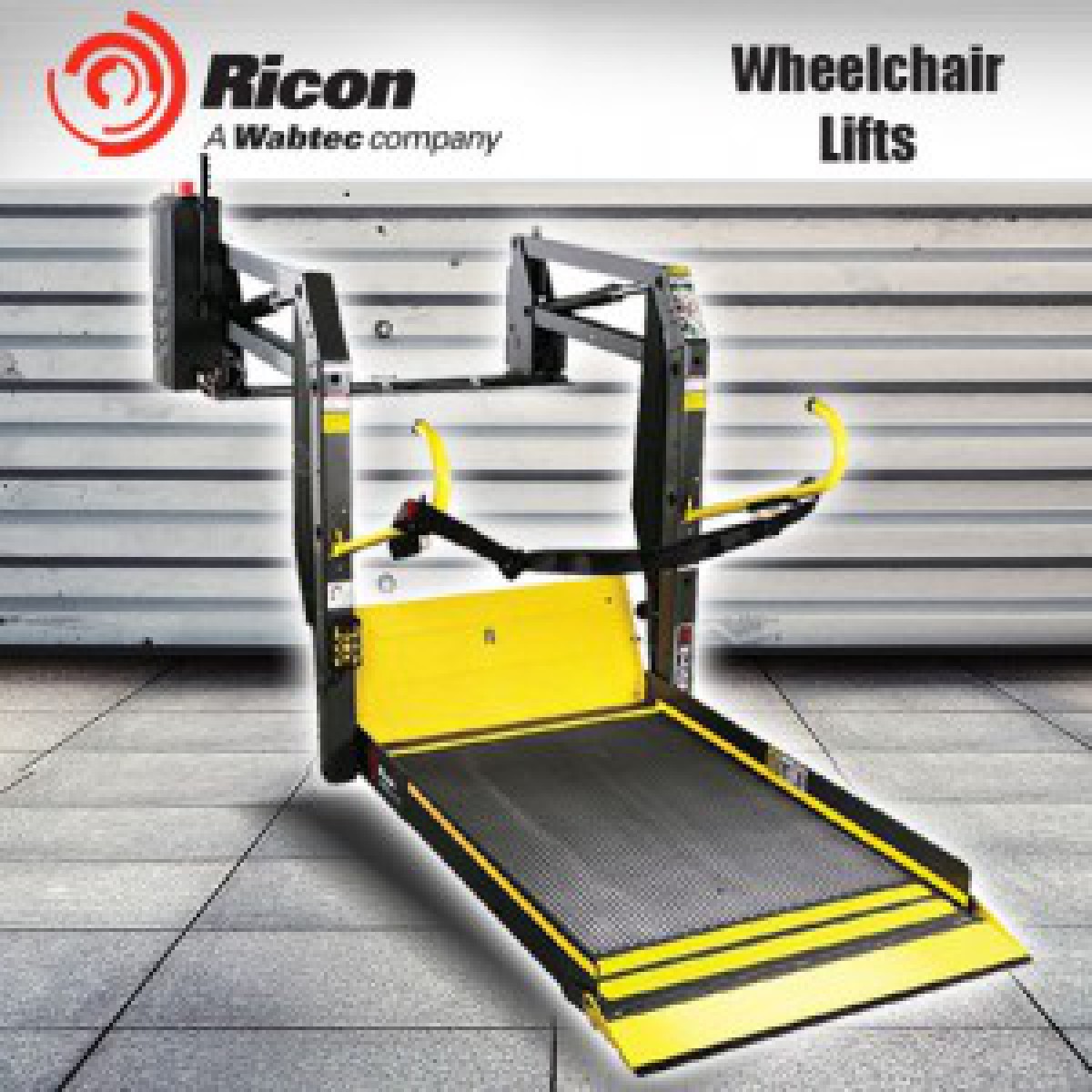
Designed with ramps or lifts to easily accommodate wheelchairs. |
Enhanced independence and convenience for wheelchair users. |
| Spacious Interior |
Ample room to maneuver and secure mobility devices. |
Comfortable travel experience for users and companions. |
| Adjustable Seating |
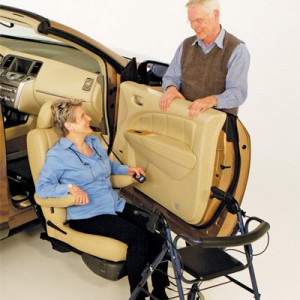
Seats can be repositioned or removed for flexibility. |
Customizable space for various passenger needs. |
| Lowered Floor |
The floor is lowered to reduce the height of entry. |
Easier access for individuals with mobility challenges. |
| Safety Features |
Includes secure tie-downs and additional safety belts. |
Increased safety during transit for all passengers. |
| Assistive Technology |
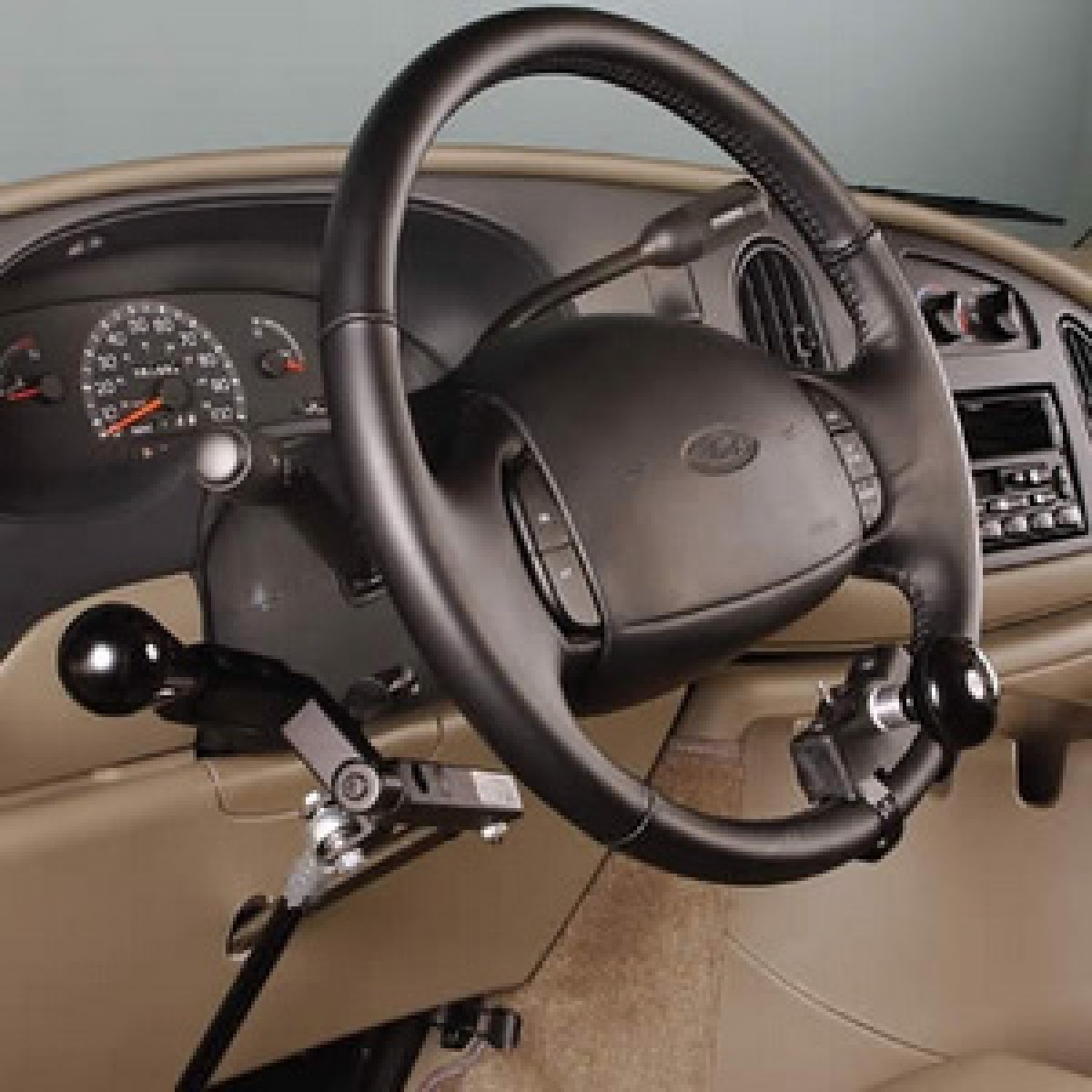
Equipped with tech features like hand controls and navigation aids. |
Facilitates driving for those with disabilities. |
How Handicapped Accessible Vans Improve Quality of Life
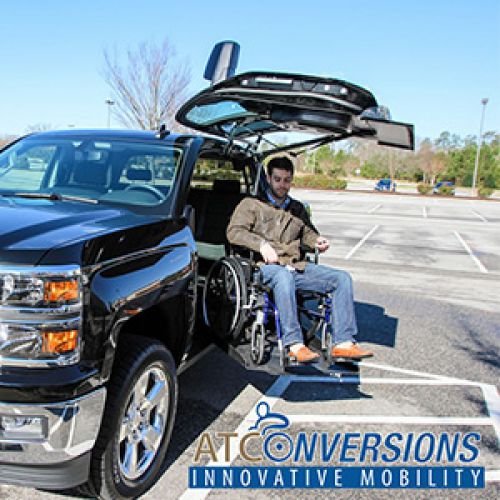
Handicapped accessible vans bring significant improvements to daily life. These vehicles feature ramps and wider doorways. They make entry and exit easy for people with disabilities. Convenience plays a key role in enhancing independence. Users can travel without relying heavily on assistance from others. This autonomy supports mental well-being and confidence.
Imagine a family planning a weekend getaway. A person in a wheelchair can comfortably join the trip. The accessible van ensures everyone travels together and enjoys the experience. No need for complicated transfers or painful logistics. However, the transition to owning such a van can be daunting. Initial costs may challenge some families. Yet, the benefits often outweigh the financial burden over time.
Accessible vans also foster social interaction. They allow users to visit friends, attend events, or simply shop. However, it is important to choose the right vehicle. The wrong size or layout can hinder the experience. Reflection on personal needs is critical during this process. Prioritizing comfort and usability is essential for maximizing quality of life.
Benefits of Handicapped Accessible Vans
Cost Considerations When Choosing a Handicapped Accessible Van
When considering a handicapped accessible van, cost is a critical factor. The initial purchase price can vary widely. You may find used models to save money, but they might lack essential features. It's crucial to weigh the benefits of higher-end models against their costs. While they may be pricier upfront, the long-term comfort and reliability can justify the investment.
Ongoing costs should also be factored in. Maintenance is essential for accessibility features like ramps and lifts. Repairs can add up, especially if they are not regularly inspected. Insurance rates might be higher for specialized vehicles. Budgeting for these expenses is important. Explore financing options, as they can make a significant difference.
Don't forget about potential modifications. Personalized adaptations can greatly improve comfort and usability. These can range from simple adjustments to more complex installations. While it may be tempting to skip them for cost savings, consider how they will enhance daily life. Reflect on your specific needs and how they align with your financial comfort zone. Finding a balance between what you need and what you can afford is essential for making the right choice.
Factors to Consider for Customized Handicapped Accessible Vans
When considering a handicapped accessible van, customization is vital. Factors such as wheelchair accessibility, maneuverability, and safety features should guide your choices. According to a report by the National Highway Traffic Safety Administration, wheelchair users experience vehicle-related accidents at a significantly higher rate than able-bodied individuals. This highlights the importance of a vehicle designed with safety in mind.
Interior space is crucial for comfort. Many wheelchair accessible vans offer adjustable seating configurations. This feature allows passengers to enjoy a comfortable ride without feeling cramped. Customizations might include hand controls or assistive steering aids. The choice of features can significantly impact the user experience. A comfortable and secure environment encourages independence and enhances quality of life.
Consider the following tips when selecting your van. Evaluate the ease of entering and exiting the vehicle. Look for ramps or lifts that are easy to operate. Think about driving conditions you'll encounter. Complex weather or terrain may require advanced driving aids. The right modifications can make daily travel safer and more convenient.