





7 Tips for Choosing a 29 Inch MTB Electric Bike?
Choosing a 29inch MTB electric bike is about more than bigger wheels or a powerful motor. The right setup should feel steady on loose gravel, manageable on steep climbs, and comfortable after an hour in the saddle. Small details matter: frame reach, battery placement, tire width, and brake performance can change how the bike handles. Fit comes first.
Demand has grown quickly. The NPD Group reported that U.S. electric-bike sales rose 145% in 2020 compared with 2019. That figure reflects a market surge, not a guarantee that every model is dependable or suited to mountain trails. Sales data cannot tell you how a bike climbs, how far its battery lasts in cold weather, or whether its suspension matches your terrain. Test rides and clear component specifications still matter.
This guide presents seven practical tips for comparing wheel fit, motor support, battery capacity, suspension, brakes, weight, and after-sales service. Check the manufacturer’s stated range carefully; rider weight, hills, temperature, and assist level can all reduce it. A large battery is useful, but it also adds weight. Not always. If possible, ride the bike on a short climb and a rough path before deciding. Compare warranty terms and replacement-part availability, too. One limitation is easy to overlook: a 29-inch wheel can roll smoothly over obstacles, yet the larger frame may not suit every rider. The best choice is the one that fits your body, routes, and real-world expectations.
Understanding 29-Inch MTB Electric Bike Specifications
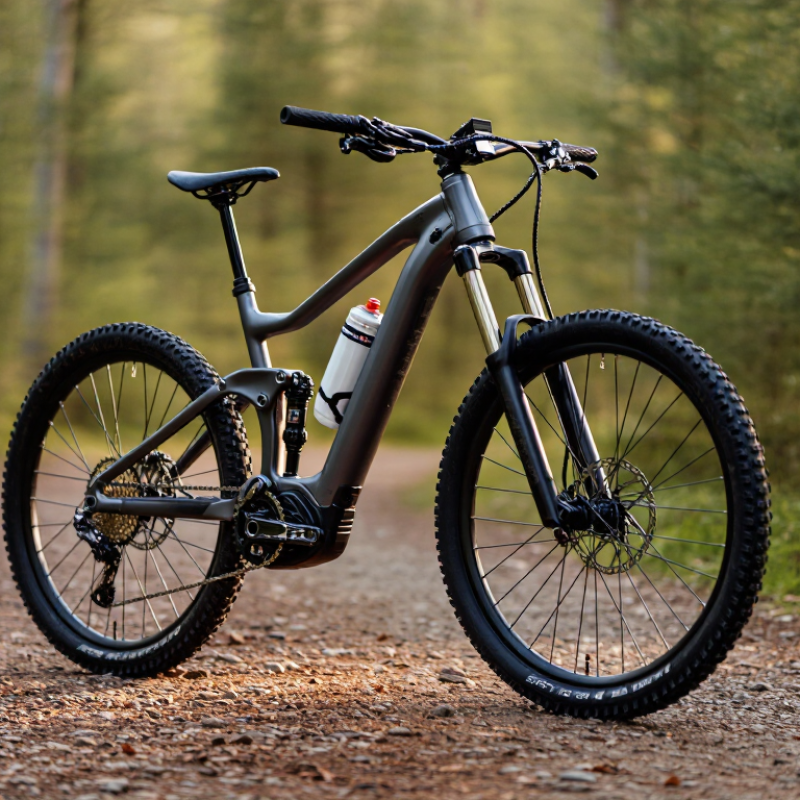
A 29-inch MTB electric bike rolls smoothly over roots, stones, and uneven forest paths. Its large wheels improve stability, but they can feel slower during tight turns. Check the frame size carefully. A tall wheel does not guarantee a comfortable riding position.
Tip: Compare motor torque, not only motor wattage. Torque affects hill climbing and starts on loose ground. For mixed trails, moderate torque often feels easier to control. Test the assistance levels if possible. Some systems respond too sharply. I once underestimated this detail, and slow corners became awkward.
Tip: Read the battery specification in watt-hours, not just amp-hours. A 500 Wh battery may suit regular trail rides, but cold weather, rider weight, and steep climbs reduce range. Battery placement also matters. A low, centered battery improves balance. The bike may still feel heavy when lifting it over a gate.
Tip: Inspect the suspension travel, tire width, and brake size together. Front suspension helps absorb small impacts, while stronger hydraulic brakes improve control on descents. Wider tires add grip but increase rolling resistance. Look for sealed electrical connectors and a clear display. Reliable documentation should state charging times, component limits, and service requirements. These details seem minor until a wet ride exposes weak protection.
7 Tips for Choosing a 29 Inch MTB Electric Bike? - Understanding 29-Inch MTB Electric Bike Specifications
| Tip | Specification to Check | Useful Reference | Why It Matters |
|---|---|---|---|
| 1. Confirm the wheel standard | Wheel diameter and tire clearance | “29-inch” mountain-bike wheels generally use a 622 mm bead-seat diameter. Common tire widths are approximately 2.2–2.6 inches, subject to frame and fork clearance. | Wheel size alone does not guarantee that a particular tire will fit. Check the manufacturer’s stated maximum tire width and leave room for mud and debris. |
| 2. Match the motor to your local rules and riding | Rated power, assistance limit, and torque | Many pedal-assist systems are rated around 250 W in regions where that is a common legal limit. Torque figures around 50–85 Nm are common across many e-MTB systems; local rules vary. | Rated power and permitted assistance differ by country or region. Check local regulations, and consider torque alongside gearing, rider weight, and terrain. |
| 3. Choose battery capacity for your routes | Battery energy in watt-hours (Wh) | Many e-MTB batteries fall in the approximate 500–750 Wh range. | More watt-hours can support longer rides, but actual range depends on elevation, assist level, temperature, rider and cargo weight, tire choice, and terrain. Treat advertised range as an estimate. |
| 4. Select suspension travel for the terrain | Fork and rear-suspension travel | About 120–160 mm is common on trail-oriented full-suspension e-MTBs; cross-country models may use less, while rough-terrain bikes may use more. | More travel can improve control on rough descents, while less travel may feel more efficient on smoother routes. Compare the complete bike category with the trails you ride. |
| 5. Check braking capacity | Brake type, rotor diameter, and pad availability | Hydraulic disc brakes are common on e-MTBs. Rotor sizes such as 180 mm and 203 mm are widely used, with larger rotors often suited to greater heat loads. | Bike, rider, and cargo weight can increase braking demands. Confirm rotor limits for the frame and fork, and check that replacement pads are readily available. |
| 6. Compare total weight and carrying limits | Bike weight and maximum permitted system weight | Many adult e-MTBs weigh roughly 22–28 kg, although the exact figure varies by frame, battery, motor, and equipment. | Weight affects handling, transport, and how easy the bike is to lift. Check the stated maximum system weight, which usually includes the rider, bike, and carried items. |
| 7. Prioritize fit and serviceability | Frame size, geometry, battery access, and service support | Use the maker’s size chart as a starting point; test ride when possible. Check warranty terms, battery replacement options, and access to qualified motor and suspension service. | A suitable fit improves comfort and control. Long-term support matters because batteries, motors, and suspension components may require inspection, repair, or replacement. |
