






Why Choose an Adult Electric Tricycle With Cover?
An Adult Electric Tricycle With Cover can make everyday riding feel more practical when rain, wind, or a heavy grocery bag would otherwise change the plan. The cover offers a sheltered space around the rider, while three wheels can make low-speed stops and loading feel less demanding. Picture a damp morning, a basket of groceries, and a route with several traffic lights. Small comforts matter there. Still, a cover is not a promise of dry clothes or safe handling in every condition.
Demand for electric bikes has grown, but market growth alone cannot prove that a tricycle suits every rider. PeopleForBikes, using Circana retail data, reported that U.S. e-bike sales rose 269% from 2019 to 2022. That figure signals wider interest in electric cycling, not a guarantee of performance or comfort. A covered tricycle’s motor, battery range, braking, seating, and visibility deserve close attention. So does its turning behavior: three wheels may feel steady at a stop, yet sharp turns still call for care. Weather still wins sometimes. Before choosing, compare the cover’s ventilation and entry access, then check whether the tricycle fits your storage space and regular routes. A short test ride can reveal details a product page misses, such as awkward steering or limited legroom. The right choice depends on the rider, the route, and honest expectations.
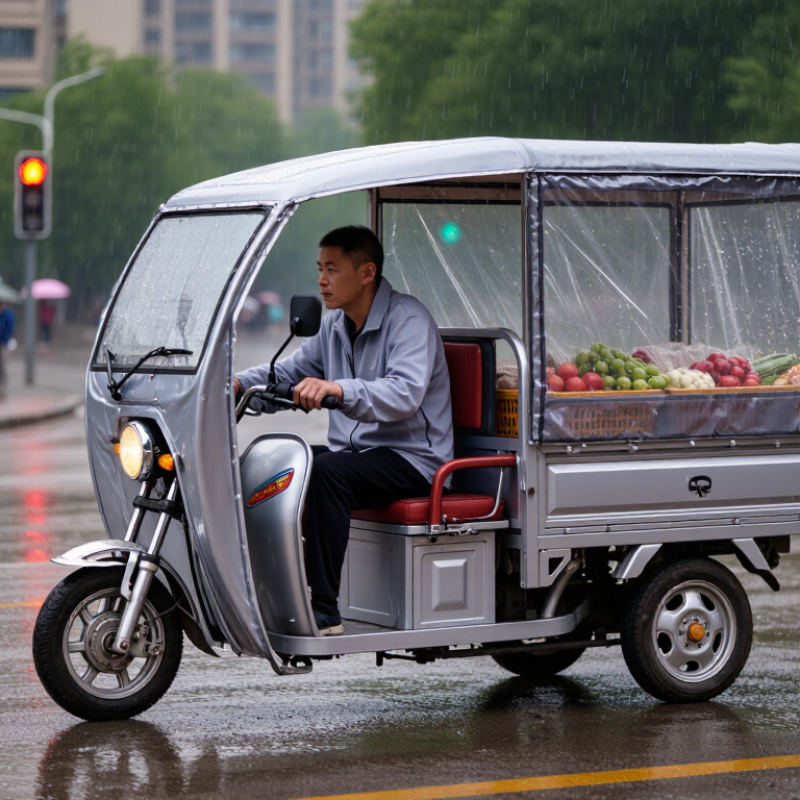
What an Adult Electric Tricycle With a Cover Is
An adult electric tricycle with a cover is a three-wheeled cycle fitted with an electric-assist system and an overhead shelter. The motor helps the rider pedal, while the extra wheel can make slow-speed handling feel steadier. The cover may be a simple canopy above the seat, or a larger structure with side panels. These designs are not interchangeable. A canopy blocks some sun and light rain; it does not necessarily create a sealed cabin.
Look closely at how the cover attaches and what it leaves exposed. A roof, clear panels, and open sides each affect airflow, visibility, and protection differently. On a damp commute, a canopy may keep rain off a seat and the rider’s shoulders, while shoes and lower legs still get wet. That matters. A cover can also catch side winds, and bulky supports may make mounting less convenient. Check the headroom, the view through any panels, and whether the cover suits your usual route. It is easy to focus on weather protection and overlook ventilation. That trade-off deserves a real test, ideally with the tricycle stationary and the cover in place.
