





How to Choose an Electric Trail Bike in 2026?
Choosing an Electric Trail Bike in 2026 requires more than comparing motor wattage or battery capacity. Real trail performance depends on geometry, suspension travel, tire grip, brake control, and service support.
Industry data shows why this category deserves careful attention. The German Bicycle Industry Association reported approximately 2.1 million e-bikes sold in Germany during 2023. E-bikes represented about 53% of the country’s bicycle market that year. PeopleForBikes also identifies electric bicycles as a major driver of cycling growth in the United States. However, market growth does not guarantee that every model fits every rider.
“E-bikes are the future of transportation,” says Chris Nolte, an e-bike industry expert and founder of Propel Electric Bikes. His point applies differently on a rocky trail. A commuter may value range and lighting. A trail rider may need predictable torque, a quiet motor, and a removable battery.
Start with your actual terrain. A 500Wh battery can feel sufficient on short, rolling loops. It may disappoint on steep climbs, cold mornings, or technical routes. Motor torque matters, but higher torque can also increase weight and tire wear. Suspension setup matters just as much.
Test the bike uphill.
Check the dropper post, reach, and brake feel. Confirm local service availability before buying. Independent testing and manufacturer specifications are useful, but neither replaces a real trail ride. Some advice is incomplete. Your ideal Electric Trail Bike may not be the fastest model; it may be the one you can control confidently after two demanding hours.
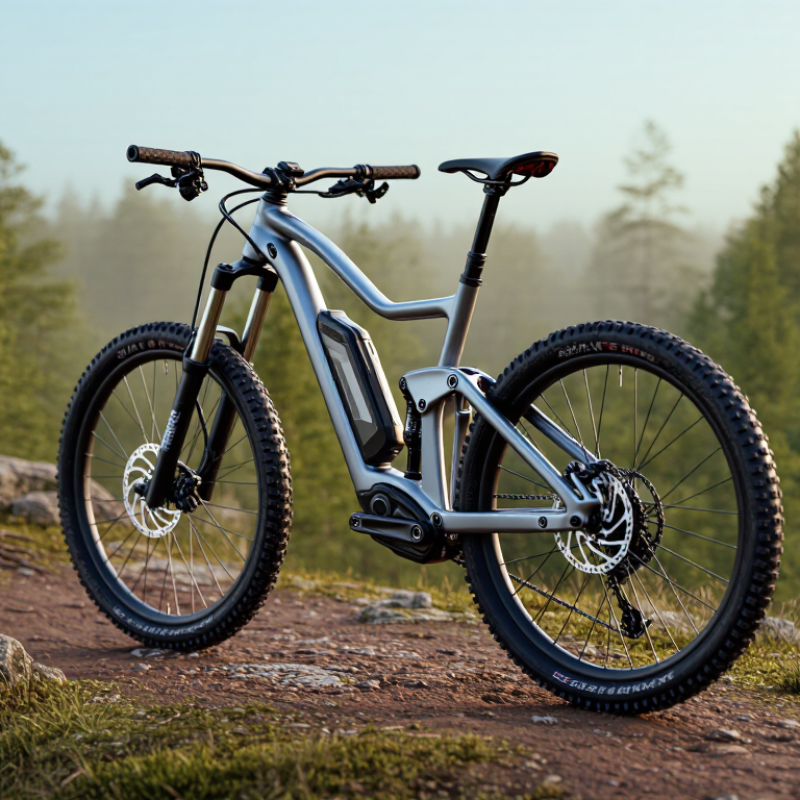
Define Your Electric Trail Riding Goals and Terrain
Choosing an electric trail bike starts with an honest question: where will you ride most often? A rocky forest route demands different equipment from a smooth gravel path. I once chose a bike for its climbing power alone. My first estimate was wrong. It felt impressive uphill but awkward on tight, wet descents.
Walk through your usual terrain before comparing specifications. Loose stones, roots, steep switchbacks, and deep mud require stable geometry, controlled suspension, and dependable braking. For flatter trails, a lighter frame may feel more responsive and easier to carry.
Measure your typical ride length, elevation gain, and charging access. Battery range depends heavily on rider weight, tire pressure, temperature, and assist level.
Be specific about your riding goals. Do you want quiet exploration, technical practice, or long weekend routes? Riders seeking technical control may value balanced weight and strong low-speed handling. Riders covering distance may prefer a larger battery and efficient assistance.
I would test the bike on a familiar climb, then repeat the route with several assist settings. Small differences become obvious there. Check suspension setup, brake reach, and frame fit before judging power.
A powerful motor cannot fix poor control. Also, confirm trail access rules and safety requirements in your area. Measuring only peak performance is an easy mistake.
