


















How to Choose Electric Mini Trucks in 2026?
Choosing Electric Mini Trucks in 2026 is less about chasing the biggest battery and more about matching a vehicle to daily work. The International Energy Agency’s Global EV Outlook 2024 reported nearly 14 million electric car sales worldwide in 2023, about 18% of new car sales. It projected sales could reach 17 million in 2024. These figures cover electric cars, not mini trucks, so they signal wider market momentum—not proof that every small commercial vehicle is ready for every job.
The right choice starts with a route. A delivery van covering short urban loops faces different demands from a truck carrying tools up steep roads. Compare usable payload, real-world range, charging time, battery warranty, service access, and total ownership cost. Then check the details: Can the truck finish a full shift with heating or air conditioning on? Is charging available at the depot overnight? Small questions. Costly surprises.
This guide will help buyers assess those trade-offs using practical criteria and credible market context. Manufacturer range claims deserve careful scrutiny; temperature, cargo weight, and stop-and-go traffic can change daily performance. A specification sheet may look reassuring and still miss the hardest hour of a workday. That gap is easy to overlook. It should not be.
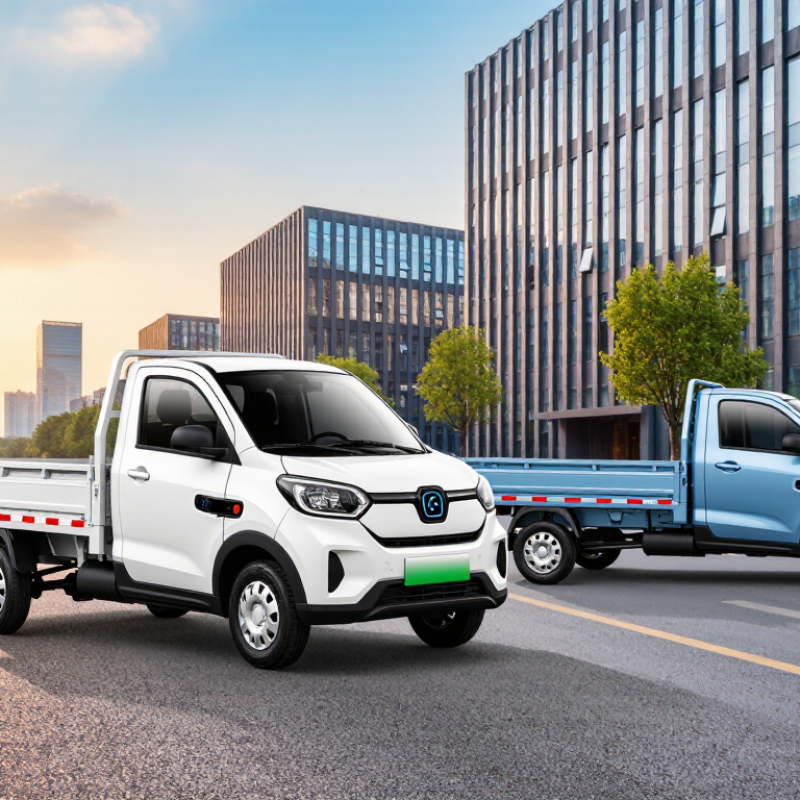
Identify Your Intended Uses and Payload Requirements
Start with the work the truck will do, not its advertised range. Will it carry tools between job sites, move produce around a property, or make repeated deliveries? A short route can still be demanding. Frequent stops, steep driveways, and rough surfaces change the job. Note your typical daily distance, longest regular trip, and where charging is available. Be specific: a toolbox, two workers, and a loaded bed create a different duty cycle from light parcel runs.
Payload needs careful counting. Include passengers, tools, fittings, and anything added after purchase, such as racks or a storage box. Weigh a representative load if possible; guessing from the bed’s appearance is unreliable. Also check cargo dimensions and how weight sits in the bed. A bulky but light load may need more space, while concentrated weight can affect handling. Compare your normal load with the truck’s published payload rating, and leave room for occasional heavier days. Range can fall with extra weight, cold weather, hills, and repeated acceleration. My estimate might still miss a seasonal task, so review a full week of work before choosing.
