















How to Choose Facial Microneedling Devices for Your Clinic
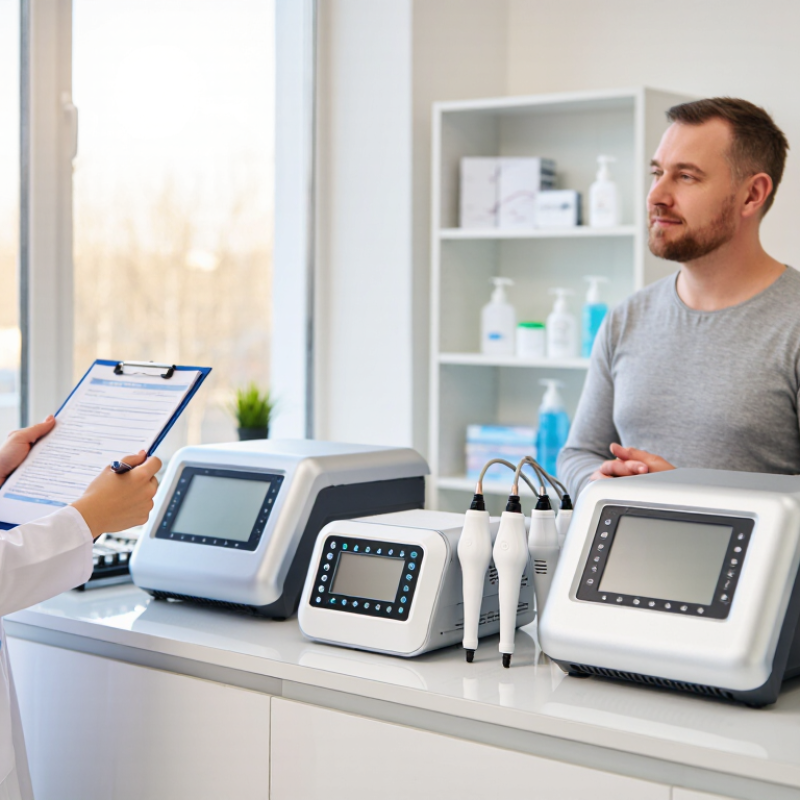
Choosing a Facial Microneedling device is not simply a matter of comparing needle depth or price. The right system should fit your clinic’s services, staff training, patient needs, and daily workflow. Small details matter: cartridge availability, clear depth settings, handpiece balance, and cleaning requirements. So does documentation.
A credible evaluation starts with the device’s intended use and manufacturer instructions. Confirm that it suits the procedures you plan to offer, and ensure staff have appropriate training. Review safety features, specified single-use components, maintenance needs, and technical support. Ask for current product documentation, not just polished sales claims. This is practical, not glamorous.
Patient selection and realistic counseling also belong in the purchasing decision. Skin concerns, treatment history, sensitivity, and expectations can affect whether a procedure is appropriate. No device replaces professional assessment. Consider how your team will explain expected outcomes, possible adverse effects, and aftercare in plain language. Compare total operating costs, including consumables and service, rather than the headline price. There may be no perfect choice. A device that looks impressive in a demonstration can feel awkward during a full clinic day. This guide outlines questions clinics can use to weigh performance, usability, safety, and long-term fit before making a considered purchase.
Understanding Facial Microneedling Devices and Their Clinical Uses
Facial microneedling devices create controlled micro-injuries in the skin, prompting a wound-healing response. Clinics commonly consider them for acne-scar appearance, uneven texture, and fine lines. Results vary, and improvement usually takes a series of treatments rather than one dramatic visit. Depth matters. A device should allow clinicians to select settings suited to the treatment area, while disposable needle cartridges support consistent hygiene. Check that the device’s intended use and instructions match the clinic’s planned procedures.
Device choice should follow patient assessment, not a sales chart. Skin condition, treatment area, medical history, and tolerance all affect suitability. Some patients may not be appropriate candidates, so screening and clear consent are essential. Clinicians should also explain realistic outcomes and possible temporary redness, swelling, or pinpoint bleeding. The awkward truth: adjustable depth cannot replace sound clinical judgment.
Demand for minimally invasive treatments provides useful context, but not proof that one device performs better. The American Society of Plastic Surgeons’ 2023 Plastic Surgery Statistics Report recorded about 25.4 million minimally invasive cosmetic procedures in the United States. That figure covers many procedure types, not microneedling alone. Compare devices by documented indications, training requirements, cleaning protocols, cartridge availability, and service support. Ask for evidence behind performance claims, and review it critically. A neat specification sheet is helpful, but it is not clinical evidence.
