
















How to Choose Surgical Dressing Pads for Wound Care?
Choosing Surgical Dressing Pads for wound care is not simply a matter of picking the thickest or softest option. The right pad should suit the wound’s size, location, drainage, and surrounding skin. A small incision on the forearm needs different coverage from a larger wound on a moving joint. Fit matters. So does comfort.
Dr. David G. Armstrong, a surgeon and wound-care researcher, is often cited for the reminder: “The best way to treat a diabetic foot ulcer is to prevent it.” That principle also highlights a broader point: dressing choice cannot replace careful assessment. For surgical wounds, check whether the pad is sterile, how much fluid it can absorb, and whether its contact surface may stick to the wound. Consider adhesive sensitivity, too. Red, sore skin beneath a pad is not a minor detail.
Look closely at the product instructions. A highly absorbent pad may be useful for heavier drainage, while a lighter option may suit a clean, dry incision. But wound needs can change. A pad that worked yesterday may not work today. That is easy to miss. If drainage increases, pain worsens, or the wound becomes warm or increasingly red, seek advice from a qualified healthcare professional. This guide will explain the main pad types, practical selection factors, and common mistakes. No single pad is right for every wound, and that uncertainty deserves honest attention.
Assess the Wound Type, Size, and Level of Drainage
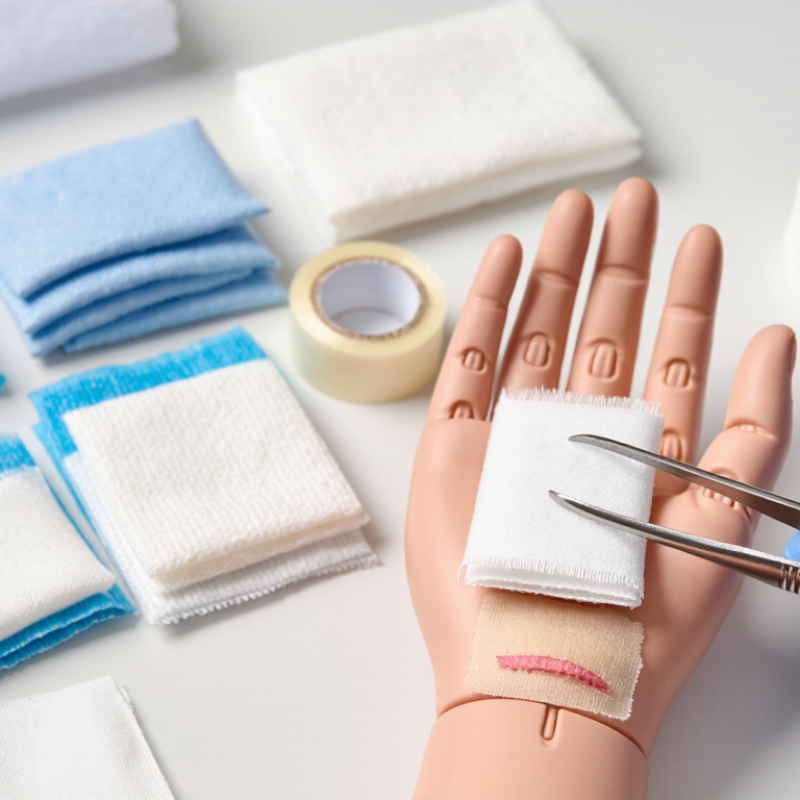
A surgical dressing pad should match the wound, not just the package size. A clean, closed incision with little drainage may need a soft, non-adherent pad that protects the skin without sticking to the healing line. A shallow wound that releases more fluid usually needs a more absorbent pad. Watch the wound edges, too. Redness that spreads, increasing pain, unusual odor, or thick drainage warrants advice from a healthcare professional.
Measure the area that needs coverage, then choose a pad that extends beyond the wound edges. A pad that is too small can expose the incision; one that is bulky may rub beneath clothing. Drainage can change over time. Check the pad when changing it: a small spot is different from fluid that soaks through or leaks at the edges. Follow the care instructions provided by the surgical team, especially for fresh incisions.
Tips: Note the wound’s size and drainage at each dressing change. Keep the surrounding skin dry, and secure the pad without pulling the skin tight. Avoid guessing when drainage rises. I have found that changes are easy to miss during a busy day, so a simple written note can help. If the wound opens or symptoms worsen, contact a clinician promptly.
