








How to Choose the Best Hair Dryer for Global Buyers in 2026?
Choosing a hair dryer for international wholesale is not just a matter of comparing wattage and price. Buyers must consider where the product will be sold, who will use it, and how reliably it can perform in daily settings. A salon needs sustained airflow and durable construction. A hotel may value simple controls, compact storage, and easy maintenance. Different priorities matter.
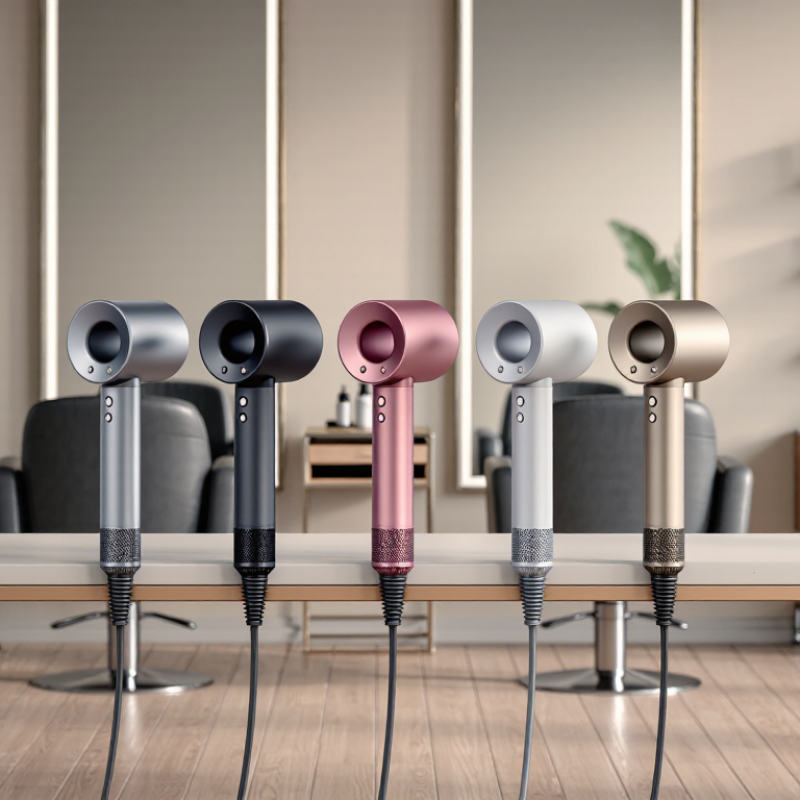
The 2026 best hair dryer for global wholesale buyers should balance drying performance, user comfort, and dependable supply. Compare motor type, airflow, heat settings, noise levels, cord length, and safety features. Check voltage and plug options for each target market, then confirm applicable product requirements with qualified local sources. Do not rely on a supplier’s general claim alone. Request clear specifications, sample units, and documented quality checks. Test the dryer with different hair textures when possible; a short demonstration may miss problems that appear after repeated use. That takes time.
Buyers should also review packaging, spare-part availability, warranty terms, and production lead times. These details can affect customer satisfaction as much as a sleek design. Ask how defects are handled and whether the supplier can maintain consistent materials across repeat orders. A low quotation can look attractive, but hidden costs may change the calculation. Even a strong specification sheet cannot guarantee an effortless launch. Some trade-offs remain, and that is worth admitting. This guide outlines practical criteria for comparing models and suppliers, so global buyers can make informed decisions without treating one feature as the whole answer.
Map Target Markets: Match 100–240 V, 50/60 Hz, and Local Plug Types
Global sourcing
Global sourcing starts with a country-by-country power map, not a “universal” label. The IEC’s World Plugs reference identifies 15 household plug types, from A to O. Treat that as a planning baseline, then verify the exact socket and grounding requirements in each destination. Record nominal voltage, 50/60 Hz frequency, plug shape, and rated current for every market.
A dryer marked 100–240 V and 50/60 Hz may suit many electrical networks, but check the rating plate and manual for the full input range. Some models require a manual voltage switch; a forgotten setting can damage the appliance.
Adapters are not converters. Confirm that the plug fits securely and that the outlet can support the dryer’s stated power. IEC 60038 provides standardized supply-voltage references, but local installations can vary.
A market spreadsheet helps, yet it can miss regional socket differences. Check sample units against real outlets before placing a large order. For global buyers, small details matter.
