









How to Choose the Best Hose Crane for Your Needs?
Choosing the right Hose Crane begins with the work it must do, not the largest figure in a catalog. Consider the hose’s weight when full, its length, bend radius, and the distance it must reach. A crane that looks adequate on paper may feel awkward beside a tank, pump, or loading bay. Small details matter.
A practical buying principle is: “Match the crane to the hose, the reach, and the real work cycle.” This is an original editorial line, not a verified quotation from a named industry expert. For a published article, replace it with a sourced quote from a qualified Hose Crane specialist. That distinction matters. Reliable advice should be traceable.
Check mounting space, available power, control type, operating environment, and maintenance access. Ask how the crane behaves when the hose is wet, dragging, or carrying product. These conditions change handling. Also review the manufacturer’s load data and installation guidance with a qualified professional. Do not rely on a headline capacity alone.
This guide explains how to compare crane types, reach, capacity, controls, and support. It also points out trade-offs that product pages often leave vague. A lower purchase price can mean more effort during daily handling. Sometimes the simplest setup is best. Sometimes it is not. The right choice should fit the site, protect the hose, and make routine work more controlled.
Identify the Hose-Handling Tasks and Loads You Need to Support
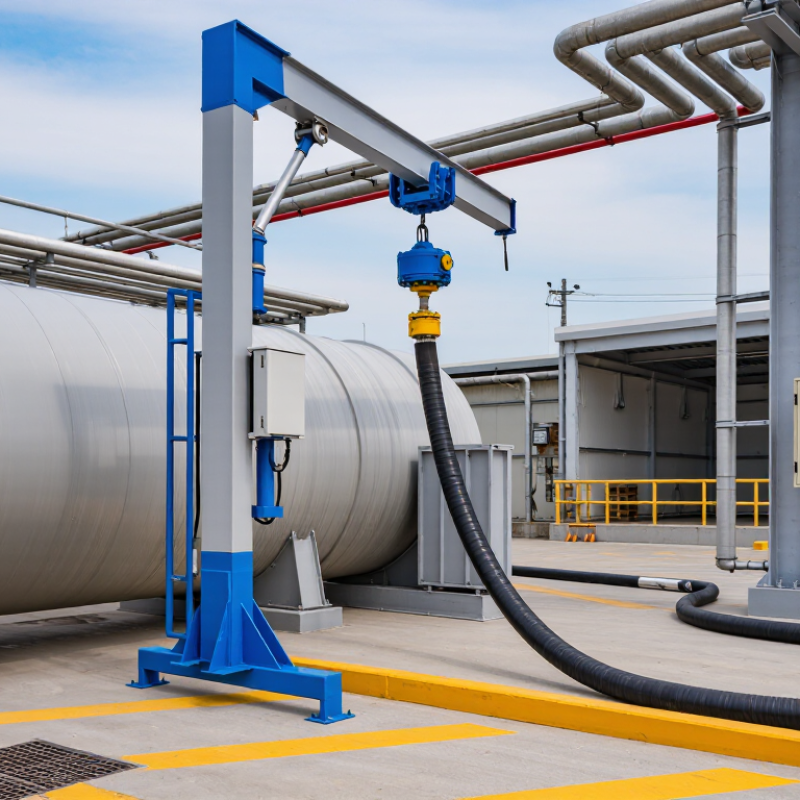
Before choosing a hose crane, map the work it must actually do. Note the hose’s type, length, filled weight, and connection points. A hose carrying liquid can weigh far more than it does when empty. Record how often it moves, how far it travels, and whether operators need to guide it around equipment or over a tank. Measure the available space, too. A crane that reaches the load but blocks a walkway creates a different problem.
Tips: Weigh the hose in its heaviest expected condition. Include fittings and any liquid inside. Check the working radius from the crane’s mounting point to the farthest handling position. Leave room for movement, not just a perfect, straight lift.
Then compare those details with the crane’s rated capacity and reach. Check the load rating at the intended extension; capacity can change as the arm reaches farther. Consider the hose’s bend radius and how it will be supported, since a tight bend may damage the hose or interrupt flow. Think about the operator’s position and visibility during handling. These checks help, though they cannot replace the manufacturer’s load chart or a qualified site assessment. I’ve seen planning focus too much on maximum capacity and too little on awkward hose routing. That part is easy to overlook.
