






How to Choose the Best Karting Kart for Your Needs?
Choosing the right Karting Kart is not simply about finding the fastest model. Your ideal choice depends on experience, body size, driving goals, track conditions, and maintenance expectations. A lightweight racing kart may feel sharp and exciting, but it can also expose every steering mistake. A recreational model may offer greater comfort, yet feel less responsive during competitive sessions.
Small details matter. Seat position affects control. Tire compound changes grip. Engine output influences acceleration and fatigue. Before buying, examine the frame design, braking system, adjustable components, and replacement-part availability. Speak with experienced drivers, trusted karting technicians, and established manufacturers. Their practical advice can reveal problems that product photos hide.
Safety should guide every decision. Choose suitable protective equipment, inspect the kart before each session, and follow the operating rules of your local track. A professional inspection is valuable when buying a used kart, especially if the frame shows scratches, repairs, or uneven alignment. Do not assume a higher price guarantees a better experience. It may not.
This guide explains how to compare kart types, engine options, chassis materials, and comfort features. It also considers your budget and long-term ownership costs. Some recommendations may change as your skills improve. That is normal. The best Karting Kart today may not suit your ambitions next season. Review your priorities honestly, test whenever possible, and leave room for learning.
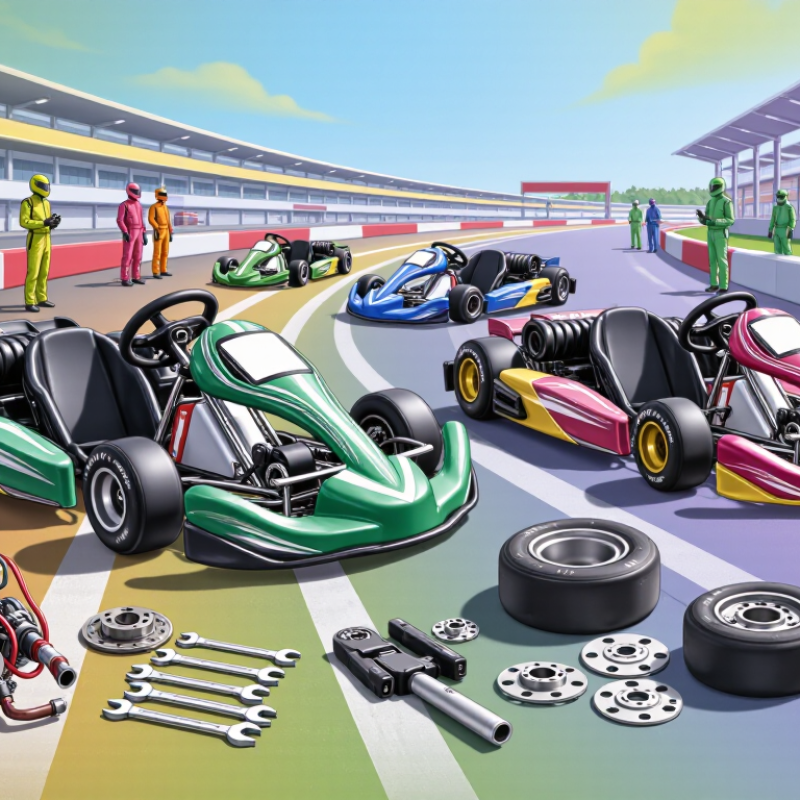
Karting Kart Types and Their Intended Uses
