










How to Choose the Best Muscle Stimulator Pads?
Choosing Muscle Stimulator Pads is not a small accessory decision. It affects how evenly current reaches the skin, how comfortable each session feels, and whether the electrodes fit your device. A pad that lifts at the edge or dries out too soon can interrupt a workout. Small details matter.
Clinical evidence offers useful context. Cochrane reviews of neuromuscular electrical stimulation examine results by health condition, treatment protocol, and outcome; they do not establish one pad shape or material as best for everyone. The FDA’s consumer information on electronic muscle stimulators also advises users to follow device instructions and pay attention to potential skin reactions. For equipment safety, IEC 60601-2-10 sets requirements for nerve and muscle stimulators. These sources point to a practical lesson: compare compatibility, electrode dimensions, adhesive type, and replacement guidance—not just package claims.
Electrotherapy educator Tim Watson’s published guidance emphasizes that treatment effects depend on appropriate application and clinical context. In paraphrase: choose electrodes for the intended use, not marketing promises. That is sensible, though it cannot replace advice from a qualified clinician when using stimulation for pain, injury, or rehabilitation. Start with the manufacturer’s specifications. Check connector type and pad size. Then consider how the material feels on clean, dry skin. This guide explains what to compare, which trade-offs deserve attention, and when a low price may cost more over time.
Understand Muscle Stimulator Pad Types and Device Compatibility
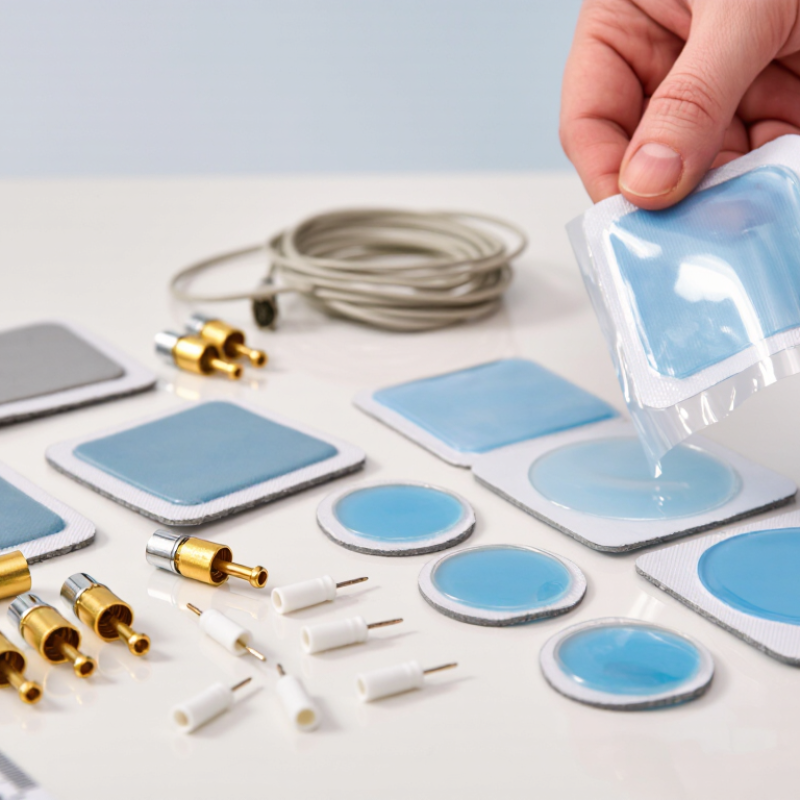
Muscle stimulator pads vary in shape, attachment, and adhesive type. Most use a conductive gel surface that sits directly on clean, dry skin. Larger pads can spread sensation across broad muscle areas, while smaller ones fit more precise locations. Shape alone does not determine whether a pad will work with your device.
Check the connector before buying. Some pads use snap fasteners; others connect through exposed pins or lead wires. The device manual should specify the connector style and suitable pad dimensions. Also confirm that the stimulator is designed for the pad type: TENS and muscle-stimulation settings are not automatically interchangeable. A matching plug is not enough. It is easy to miss that detail. Compatibility information can be unclear, so contact the device maker or a qualified clinician when specifications conflict.
Reusable gel pads may lose grip as dust, skin oils, and repeated use reduce adhesion. Replace pads that dry out, curl, or feel uneven. Clean and store them as directed, and do not use damaged pads. If you have an implanted electronic device or are unsure whether stimulation is appropriate, seek medical guidance before use.
One practical check: lay the pad beside the lead and compare both connectors in good light.
