












How to Choose the Right Dental Implant Torque Wrench
Choosing a Dental Implant Torque Wrench is not just a matter of selecting a tool with a convenient handle. It must match the implant system, prosthetic connection, and torque range specified by the manufacturer. In clinical practice, these details matter: a wrench that feels comfortable but does not fit the connection or display the required settings is not the right choice. Small details count.
Check the torque range and how clearly the scale can be read under operatory lighting. A distinct click or other feedback can help the clinician recognize when the set torque is reached, though the mechanism and handling differ between models. Consider the drive design, grip, maintenance needs, and whether the instrument can be cleaned and sterilized according to its instructions. Calibration also matters. A wrench may appear intact yet deliver inconsistent readings after wear or improper handling.
There is no universal torque value for every implant or restorative component. Follow the manufacturer’s instructions for the specific system, and verify the wrench’s condition and calibration at the intervals recommended for that instrument. Compare approved specifications, not just price or appearance. A reflective choice includes asking whether the tool suits the team’s routine and whether staff can use it consistently. Even a well-made wrench cannot replace sound clinical judgment. That may seem obvious, but it is easy to overlook when a tool feels familiar.
Understanding the Role of a Dental Implant Torque Wrench
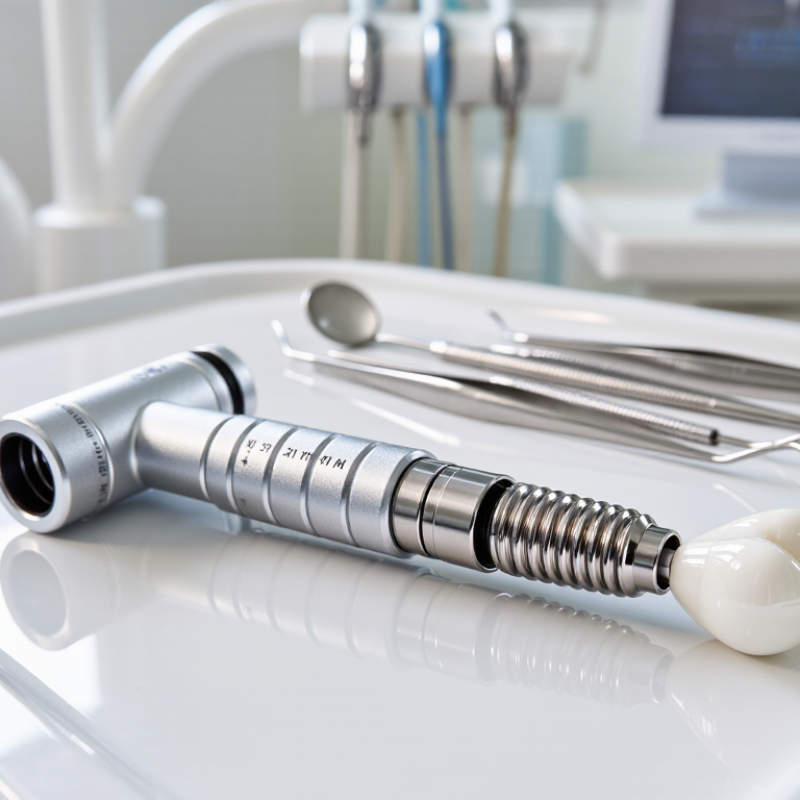
A dental implant torque wrench controls the rotational force used to tighten an implant screw or abutment. The goal is repeatable preload: enough clamping force to secure the joint, without exceeding the component’s specified limit. Too little torque may allow loosening; too much can damage a screw or its threads. Small details matter. A dry screw and a lubricated screw can behave differently, even at the same setting.
Clinical protocols often specify values around 20–35 N·cm for prosthetic screws, but the correct value depends on the implant system and component. This range is not a universal prescription. ISO 6789-2:2017 describes calibration and measurement-uncertainty requirements for hand torque tools, underscoring why a displayed setting should not be assumed accurate indefinitely. Follow the component instructions, use the matching driver, and have the wrench checked according to its calibration schedule. A torque wrench is not magic.
Tips: Seat the driver fully, keep it aligned with the screw, and apply force smoothly until the release or click. Avoid repeated clicks; they can add unintended torque. Record the setting and calibration date. One limitation is easy to miss: the wrench controls applied torque, not the patient’s bone quality or the final joint condition.
