


















How to Choose the Right Medical Oxygen Mask?
Choosing the right Medical Oxygen Mask is a clinical decision, not a packaging decision. The correct option depends on oxygen flow, patient condition, mask fit, and monitoring requirements. A loose seal may allow oxygen to escape. A tight seal may cause discomfort, skin pressure, or anxiety.
The need is substantial. The Lancet Global Health Commission estimated that more than 374 million adults may require oxygen treatment annually for serious health conditions. The World Health Organization also identifies reliable oxygen delivery as a core part of safe, quality healthcare. These findings make equipment selection more than a purchasing detail. It becomes a patient-safety issue.
Small details matter.
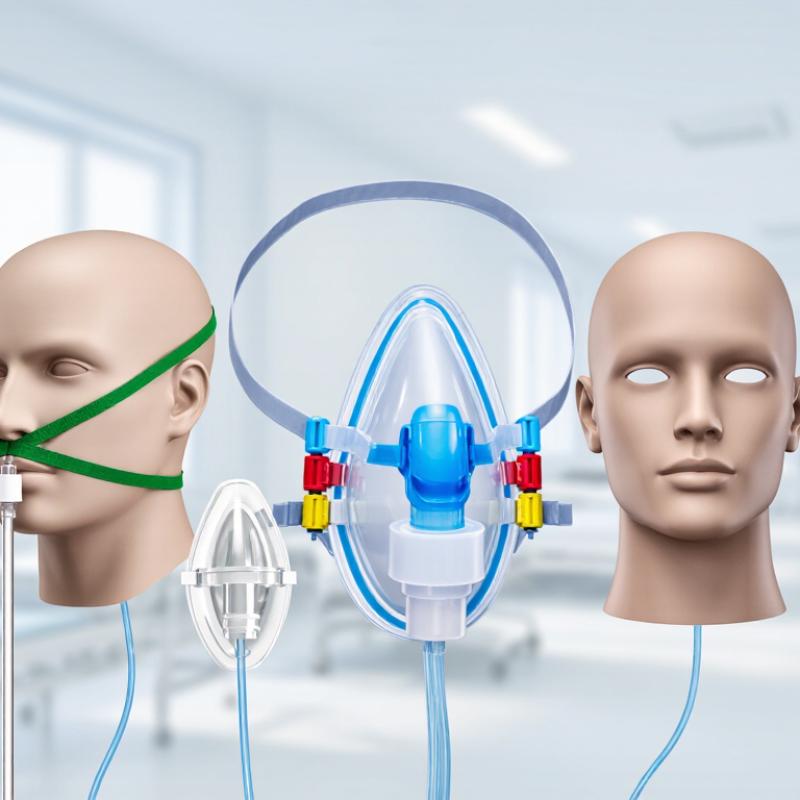
A simple nasal cannula may support a stable patient who needs low-flow oxygen. A simple face mask may suit moderate requirements, but it must maintain an appropriate flow rate. For higher or more controlled oxygen delivery, a Venturi mask can provide a more predictable oxygen concentration. A non-rebreather mask may be considered in urgent situations, under trained clinical supervision and continuous assessment.
The U.S. Food and Drug Administration emphasizes using medical devices according to their intended purpose and labeling. WHO technical guidance also highlights oxygen-source performance, maintenance, and staff training. Therefore, buyers should review flow ranges, connector compatibility, materials, valve design, tubing length, and cleaning instructions.
A comfortable mask is not automatically a safe mask. This is where judgment can fail. Patient age, facial shape, breathing pattern, and skin condition all influence the final choice. This guide examines those practical factors, while recognizing that no checklist replaces professional assessment, local protocols, and careful monitoring.
Define the Purpose and Required Oxygen Delivery
How to Choose the Right Medical Oxygen Mask?
The purpose comes before the mask. Is oxygen needed for mild support, controlled delivery, or urgent rescue? A nasal cannula may suit a stable patient needing low-flow oxygen during conversation or meals. A simple face mask offers greater support, but it usually requires at least 5 liters per minute to reduce carbon dioxide rebreathing. Never guess the flow rate.
Required oxygen delivery depends on the patient’s condition, oxygen saturation target, breathing pattern, and clinical instructions. A Venturi mask can provide a more precise oxygen concentration, which may help patients at risk of retaining carbon dioxide. A non-rebreather mask can deliver a high oxygen concentration during severe distress, but its reservoir bag must stay inflated. It also requires close observation and prompt medical assessment.
Small details matter. Check the mask seal, tubing, skin pressure, and humidification needs. A loose mask may deliver less oxygen than expected. A tight mask can cause discomfort and anxiety. Observe breathing effort, alertness, skin color, and pulse oximeter readings, while remembering that readings can be affected by cold fingers or poor circulation. A common bedside mistake is treating one oxygen number as the whole picture. It is not. Patient comfort and changing symptoms may reveal a problem earlier. Oxygen should be adjusted only according to a qualified clinician’s plan, especially when lung disease or carbon dioxide retention is possible.
