















How to Choose a PacBio Revio Sequencing System?
Choosing a Pacbio Revio sequencing system starts with the work your laboratory actually needs to do. Consider the organisms, project sizes, and sequencing goals you expect to support—not only the most impressive performance figures in a product brochure. A busy genomics core may value predictable scheduling and repeatable workflows, while a smaller research group may focus more on utilization, staffing, and the cost of each project. The right choice depends on fit.
Look closely at the full workflow, from sample preparation and library construction to data analysis and storage. Ask how sample quality, protocol requirements, consumables, and service availability could affect routine operations. A bench, a trained operator, and a clear plan for handling data are practical considerations, not afterthoughts. Small details count. Request current specifications and service terms directly from the manufacturer or an authorized representative, then compare them with your laboratory’s expected workload. Speak with experienced users where possible, and distinguish documented results from estimates that depend on particular samples or workflows. This takes time.
The decision may still involve uncertainty. Future project demand can change, and published performance does not guarantee identical results in every laboratory. That deserves reflection. A careful evaluation should therefore balance scientific requirements, staffing, infrastructure, support, and total operating costs. This guide outlines the questions that can make a Pacbio Revio purchase more informed—and helps readers identify where more local evidence is needed before committing.
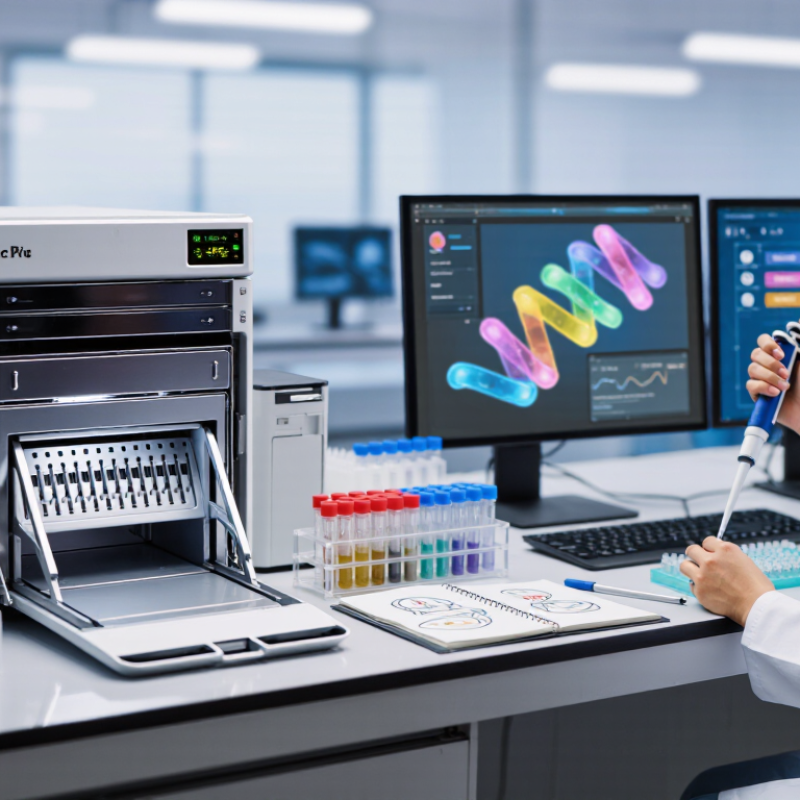
Identify Your Research Goals and Required Sequencing Outcomes
Start with the question. Are you assembling a genome, resolving complex variants, or studying gene activity across full-length transcripts? Each goal needs different evidence. Define the result you must interpret before comparing sequencing systems.
For genome assembly, consider read length, coverage, and the complexity of your target regions. Repeats can be difficult to resolve with short reads, while long reads may span them and connect neighboring sequences. For variant studies, decide whether you need broad genome coverage or deeper attention to a smaller region. Transcript research may call for full-length molecules and careful sample preservation. Be specific. “Better data” is not a useful requirement.
Translate those goals into practical outputs: the number of samples, desired turnaround, data volume, and analysis capacity. Check whether your team can handle the files and validate results with suitable controls. A small pilot can reveal uneven coverage or sample-quality problems before a larger study begins. It costs time. Still, skipping it may cost more later. Even a careful plan can overlook a constraint, such as limited staff time for downstream analysis. Revisit your assumptions with the people who will prepare samples and interpret the data.
