







How to Choose the Right Patella Strap?
Knee discomfort can make ordinary moments feel uncertain: climbing stairs, standing from a chair, or walking downhill. A Patella Strap may offer targeted support by applying gentle pressure below the kneecap, but it is not a cure-all. The right choice depends on comfort, fit, activity, and the reason for your symptoms. Small details matter. A strap that slips during a short walk may become distracting during a longer workout.
Look for an adjustable design that sits securely beneath the kneecap without pinching or restricting movement. Check the sizing guidance, material, closure, and care instructions before buying. If possible, assess the fit while bending and straightening your knee; it should feel supportive, not painfully tight. There is no single best strap for everyone, and product descriptions cannot replace an individual assessment. Pain around the kneecap can have different causes, so persistent, severe, or worsening symptoms deserve advice from a qualified healthcare professional. That detail is easy to overlook. A strap may help some people feel more comfortable during activity, while others may need a different approach. This guide explains what to compare, how to check fit, and when to seek professional guidance, so you can make a more informed choice without expecting one small band to solve every knee problem.
Understand What a Patella Strap Does and When It May Help
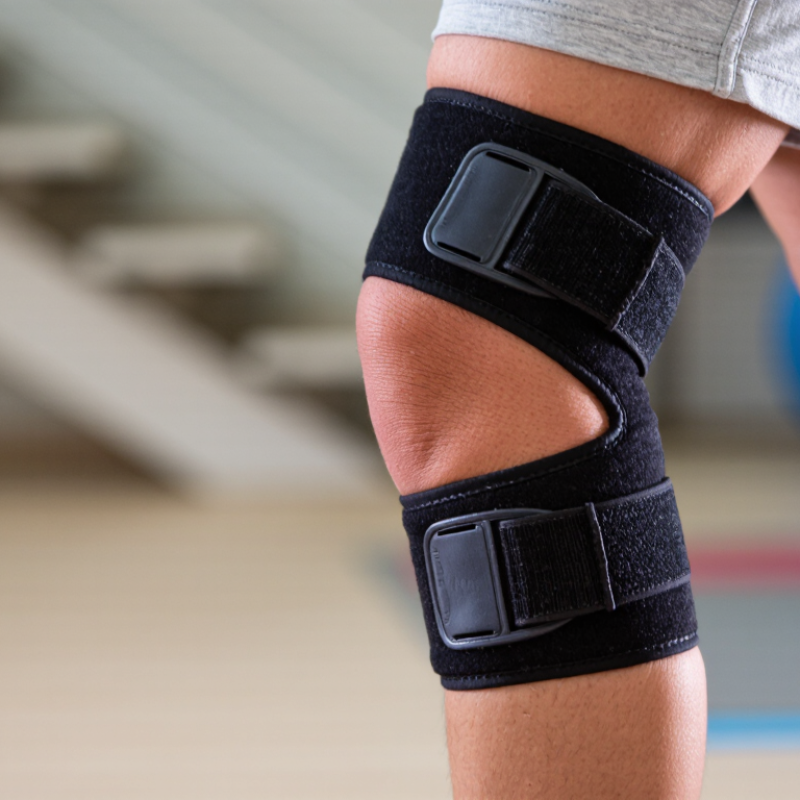
A patella strap sits just below the kneecap, over the patellar tendon. Its gentle pressure may change how force feels during running, jumping, or stair climbing. It does not hold the kneecap in place or repair an injury.
The distinction matters: tendon pain below the kneecap differs from pain around or behind it.
Not a cure.
A 2018 systematic review in the British Journal of Sports Medicine estimated patellofemoral pain affects 22.7% of adults and 28.9% of adolescents. Those figures describe a different condition; they do not prove a strap will help.
A strap may be worth trying when activity brings localized tendon pain, especially during jumping or squats. Research suggests some people feel short-term relief, but results vary and evidence is limited.
The 2019 Journal of Orthopaedic & Sports Physical Therapy guideline emphasizes exercise-based care for patellofemoral pain, rather than relying on supports alone. Choose a comfortable fit below the kneecap; a tighter strap is not automatically better.
That assumption deserves a rethink.
Test it during a familiar movement, such as a few controlled stairs, and stop if numbness, skin irritation, or increased pain appears.
Persistent swelling, a sudden injury, or trouble bearing weight warrants assessment by a qualified health professional.
