What Are Cool Boxes and How Do They Work?
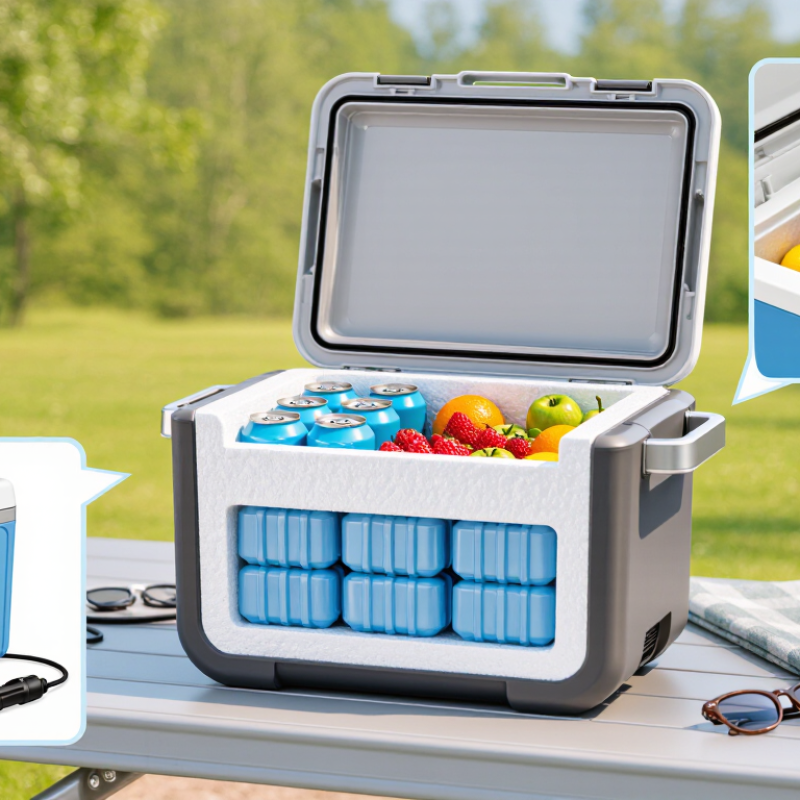
Cool Boxes are portable containers designed to slow heat transfer and protect temperature-sensitive items. They commonly use insulated walls, tight-fitting lids, and removable ice packs. Some models also connect to a vehicle’s power supply. The basic principle is simple: insulation reduces heat movement, while cold sources absorb incoming warmth. It is not refrigeration, though. Most Cool Boxes maintain a cool environment rather than actively lowering every item’s temperature.
Inside a quality box, thick foam separates food from outdoor heat. A sealed lid limits warm air exchange. When packed correctly, chilled drinks may remain cold for many hours. Pre-chilling the box and its contents usually improves performance. Empty spaces can weaken cooling, so careful packing matters. Keep the lid closed.
Real-world results vary. A box left in direct sunlight performs differently from one kept inside a shaded vehicle. Ambient temperature, opening frequency, ice-pack size, and product construction all affect the outcome. I have found that printed capacity can also mislead. A box may hold many cans, but fewer items fit after adding ice. Checking independent tests, manufacturer specifications, and user experience provides a more reliable view. Still, no single test represents every journey. This guide explains how Cool Boxes work, what their materials do, and how to choose one responsibly for camping, travel, picnics, or everyday transport. One limitation remains easy to overlook: cooling performance declines gradually, not magically.
What Is a Cool Box and What Is It Used For?
A cool box is an insulated container used to keep food and drinks cold during travel, picnics, camping, or power interruptions. Its thick walls contain foam or another insulating material, which slows heat moving inside. Ice packs or loose ice absorb incoming heat as they melt. Some electric models use a small cooling system, but many cool boxes work without electricity.
It is simple, but not effortless. Pre-chilling the box and its contents improves performance. I once filled a warm box with cold drinks and expected ice to last all day. That was careless. A cool box should stay closed as much as possible, because every opening allows warm air inside. Keep raw meat in sealed containers, and place a thermometer near the food. Perishable items generally need to remain at 4°C or below, although local food-safety guidance may differ. Meltwater can keep the interior cold, but uncovered food should never sit in it. A raised rack or watertight container helps. The box is not a refrigerator. It only delays warming, and its performance depends on insulation, outside temperature, ice quantity, and how often it is opened. Short trips are easier. Long trips require more planning.
How Does a Cool Box Keep Items Cold?
A cool box keeps items cold by slowing heat movement, not by producing cold. Its thick walls contain foam insulation, which reduces conduction through the plastic shell. A tight lid also limits warm air entering through gaps. Inside, ice absorbs heat while melting, because changing from solid to liquid requires substantial energy. That phase change is why a well-packed cool box can stay cold for hours.
The U.S. Food and Drug Administration’s 2022 Food Code recommends holding potentially hazardous food at 5°C (41°F) or below. USDA Food Safety and Inspection Service guidance also advises keeping perishable food at 4°C (40°F) or colder. In field use, I pre-chill the box and food before loading it. Cold packs should sit above and around the contents, since warm air rises when the lid opens. Empty spaces reduce performance. They allow air circulation inside.
Keep the lid closed.
A drain plug can help remove meltwater, but draining too early may reduce cooling time. This detail is easy to miss. Direct sunlight also warms the outer shell, especially in parked vehicles. ASTM thermal-testing methods for insulated containers examine temperature change over time, but real performance depends on loading, opening frequency, and ambient temperature. My own weak point is estimating ice quantity by appearance. A temperature probe is more reliable. When the internal reading approaches 5°C, food safety matters more than convenience.
What Materials and Features Affect Its Performance?
What Are Cool Boxes and How Do They Work?
A cool box slows heat entering an insulated chamber. It does not create cold by itself. Ice packs, chilled food, or a thermoelectric unit supply the cooling effect. The shell usually combines plastic, foam, and a sealed lid. Small gaps matter. Warm air can enter quickly when the lid is opened.
Material choice strongly affects performance. According to the ASHRAE Handbook—Refrigeration (2022), closed-cell polyurethane foam commonly offers thermal conductivity near 0.020–0.030 W/m·K. Expanded polystyrene is often around 0.030–0.040 W/m·K, depending on density and testing conditions. Lower conductivity generally means better insulation. However, thicker walls also improve retention. They reduce interior space, which users may dislike. That trade-off is easy to overlook.
Features can be as important as foam. A gasketed lid limits air exchange, while strong hinges help maintain compression over time. Reflective outer layers may reduce solar heating, especially inside a parked vehicle. The U.S. Department of Energy notes that insulation performance depends on thickness, continuity, and installation quality. The same principle applies here. A damaged corner can undermine excellent foam. Drain plugs add convenience, but they may become leakage points if poorly sealed. In practical testing, pre-chilled contents, minimal opening, and shade often matter more than advertised wall thickness. I once assumed thicker insulation guaranteed longer cooling. It did not. Poor lid contact changed the result. Temperature testing should therefore use a calibrated thermometer and repeatable conditions.
How Should a Cool Box Be Packed, Used, and Maintained?
What Are Cool Boxes and How Do They Work?
How Should a Cool Box Be Packed, Used, and Maintained?
A cool box slows heat transfer through insulated walls, a tight lid, and chilled contents. Packing it correctly matters more than many people expect. Pre-chill drinks and food before loading. Use frozen gel packs or sealed ice containers around the sides and top. Cold air escapes whenever the lid opens, so keep frequently used items near the top. Fill empty spaces with additional cooling material, but do not crush delicate food. A small refrigerator thermometer gives better evidence than touch.
The USDA Food Safety and Inspection Service advises keeping perishable food at 40°F or below. It also recommends discarding perishables left above 40°F for over two hours, or one hour when temperatures exceed 90°F. Separate raw meat from ready-to-eat food using sealed containers. Keep the box shaded and inside the passenger area, not a hot vehicle trunk. I have found that repeated opening causes faster warming than expected. My own packing habits still need improvement on long journeys.
Tips: Pack in layers. Ice below, between, and above food. Drain meltwater only if it no longer supports cooling. Wash the interior with mild soapy water after each trip, then dry it fully. Check hinges, latches, and the lid seal for cracks. A damaged seal quietly wastes cooling capacity. Replace questionable containers. Cold food is not worth guessing about.