Top Handicap Van Conversion Options for Enhanced Mobility and Accessibility?
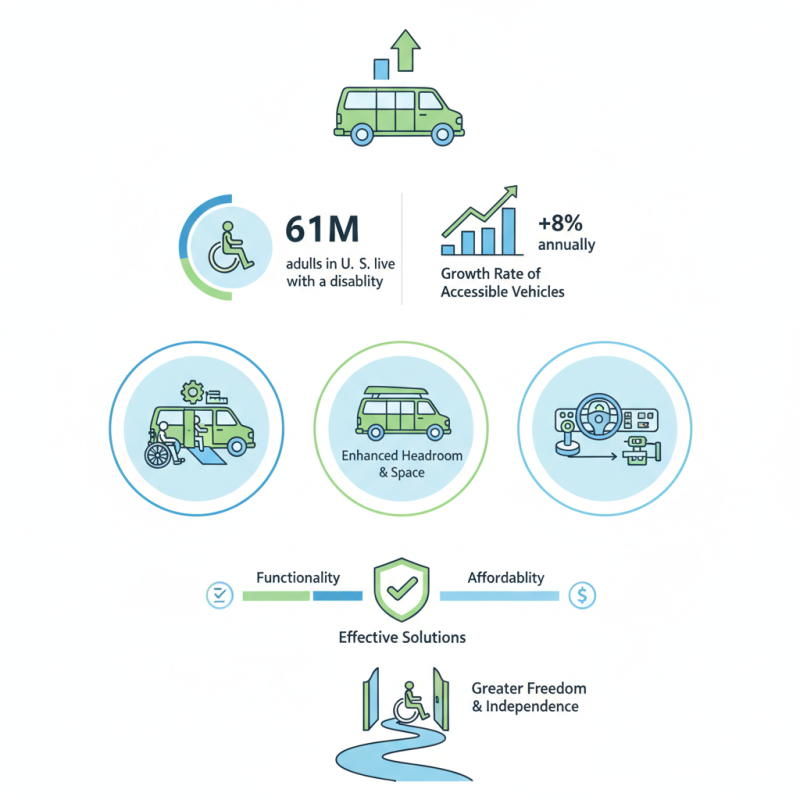
The mobility landscape for individuals with disabilities is evolving. As of 2021, it is estimated that 61 million adults in the U.S. live with a disability, highlighting the increasing demand for accessible transportation options. Among these, the "Handicap Van Conversion" market has become a focal point for improving independence and mobility.
Innovative van conversions allow wheelchair users and those with limited mobility to travel more comfortably. The latest industry reports suggest that accessible vehicles have seen a growth rate of over 8% annually, reflecting the rising awareness of inclusivity. Users often report significant improvements in their daily lives with the right conversion.
However, many face challenges in choosing the right options. Manufacturers vary in quality and features, which can lead to confusion. It's crucial for consumers to evaluate their specific needs and research different converters. Effective solutions must balance functionality with affordability, ensuring every individual can enjoy greater freedom. The right "Handicap Van Conversion" can make a meaningful difference, but careful consideration is essential.
Key Considerations for Choosing a Handicap Van Conversion
When choosing a handicap van conversion, there are several important factors to consider. One key aspect is the vehicle type. Consider whether you prefer a full-size van, which offers more space, or a minivan, which is easier to drive. Each option has distinct advantages. Full-size vans can accommodate larger wheelchairs or multiple passengers, while minivans typically have lower entry points.
Another factor is the ramp type. Manual ramps are usually more affordable but require physical strength to operate. Power ramps, though more expensive, provide ease of use, especially for those with limited strength. Test both types to see what feels comfortable for you. Additionally, think about the conversion process itself. A professional conversion ensures safety and compliance with regulations, but not all services offer the same quality. Research and read reviews to ensure reliability.
Ultimately, personal preferences play a significant role. Consider what features enhance your daily mobility. Think about seating arrangements, storage options, and accessibility for caregivers. Reflecting on your unique needs will guide your decision. Making the right choice can greatly improve accessibility and life quality.
Top Handicap Van Conversion Options for Enhanced Mobility and Accessibility
Popular Types of Handicap Van Conversions Available in the Market
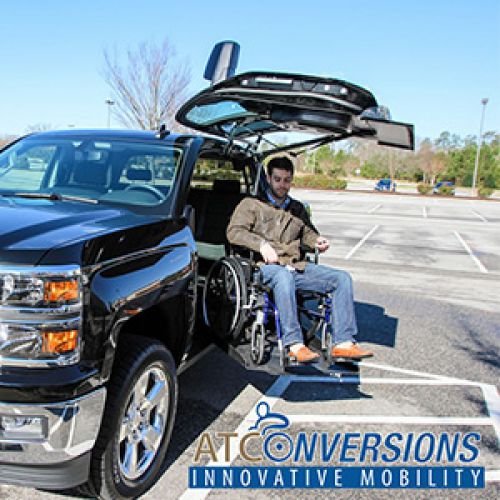
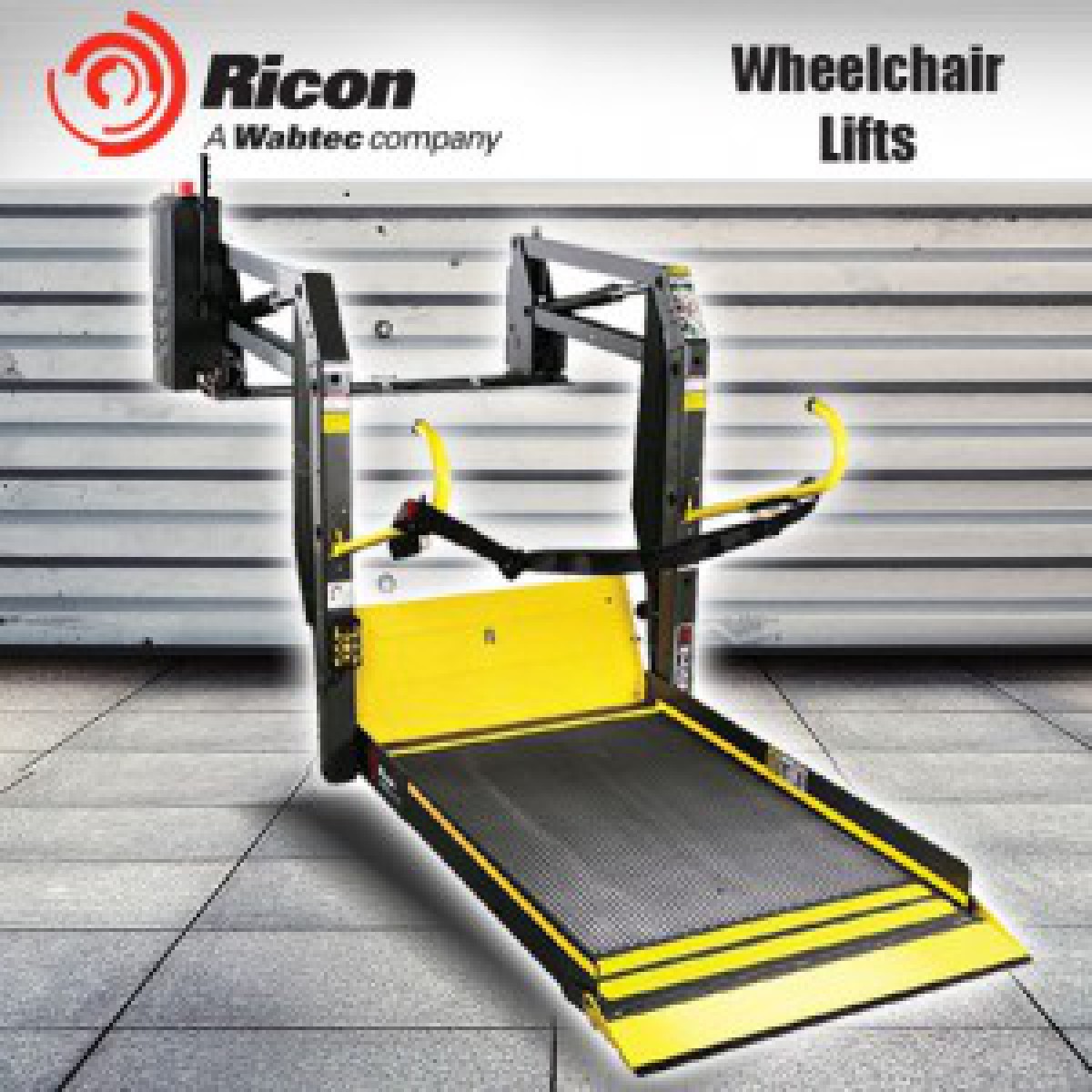
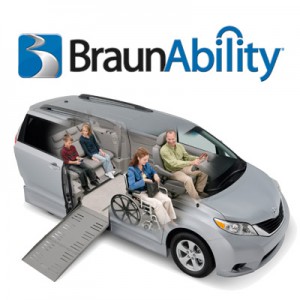
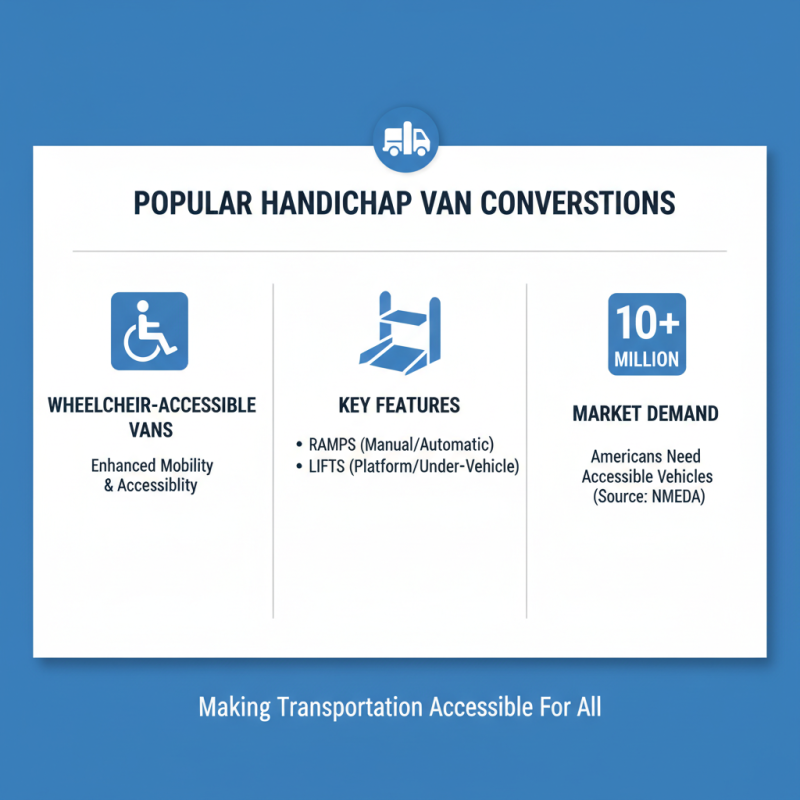
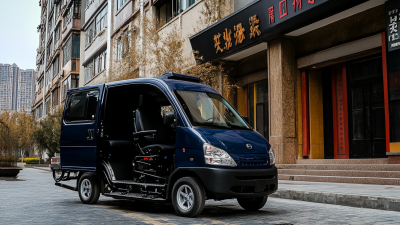
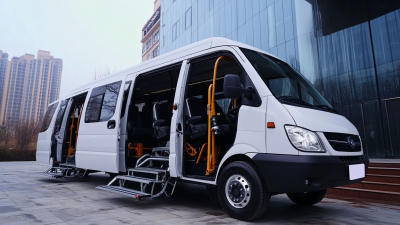
When considering handicap van conversions, several options enhance mobility and accessibility. Wheelchair-accessible vans are a popular choice. These vans often feature ramps or lifts. According to a report by the National Mobility Equipment Dealers Association, over 10 million Americans need wheelchair-accessible vehicles. This statistic highlights the importance of availability in the market.
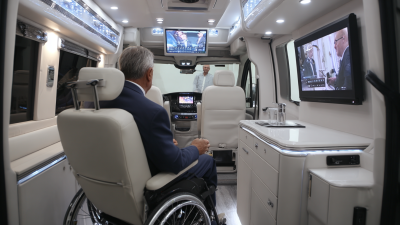
Another type of conversion involves raised roofs. This modification allows for more vertical space, making entry and exit easier. Such conversions help users feel more comfortable. Many vans come with adjustable seating. This adaptability meets diverse user needs, providing a more personalized experience. However, not all conversions maintain safety standards, which is critical. Buyers should check if modifications comply with local regulations.
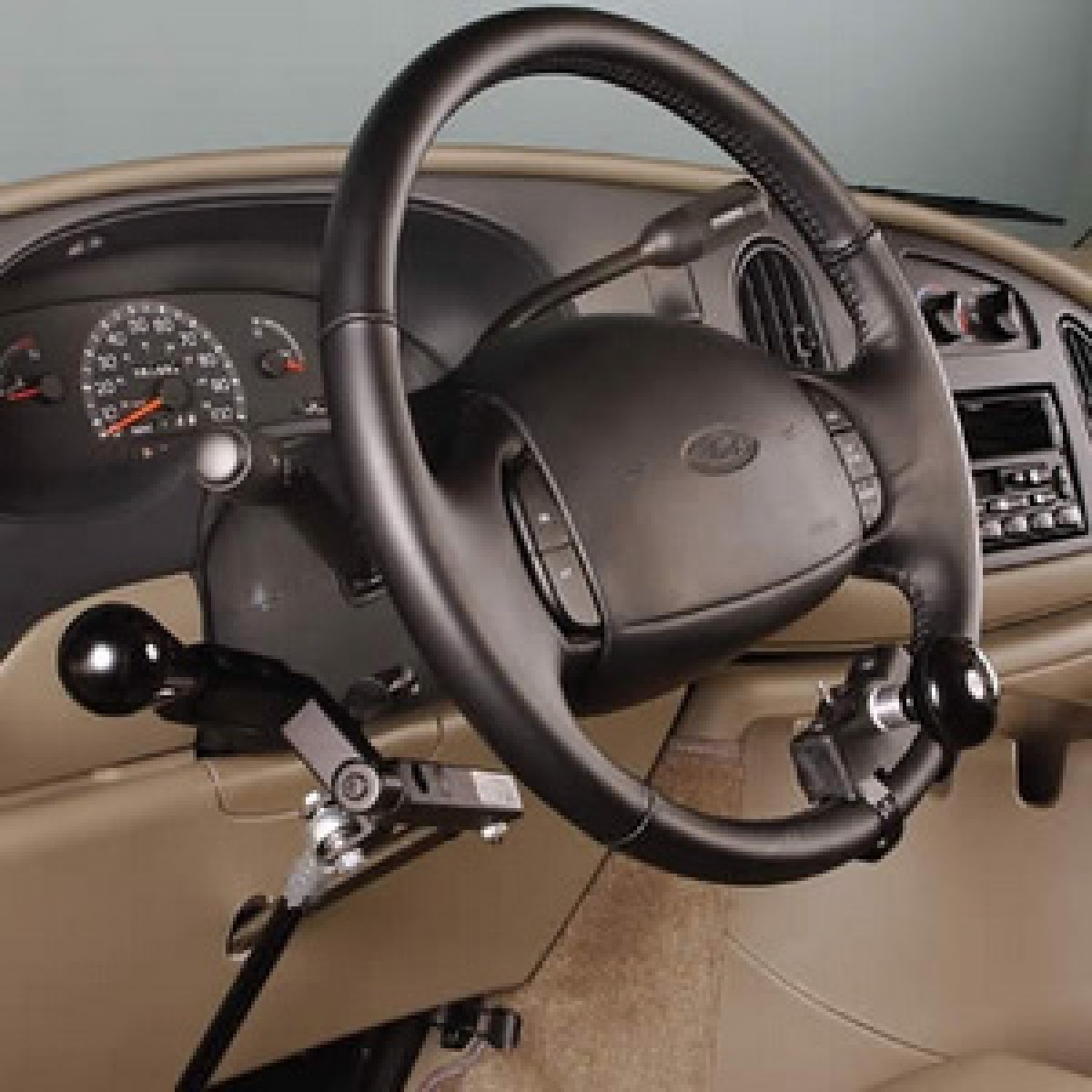
Handicap van conversions often include features like hand controls. These enhancements empower users to drive independently. Research from the American Association of People with Disabilities emphasizes the value of independence. Yet, the installation of these controls can be complex. It’s essential to work with experienced professionals. They ensure all conversions are secure and reliable. Quality should never be compromised, as safety is paramount in these modifications.
Essential Features for Enhanced Mobility in Converted Vans
Enhanced mobility in converted vans is essential for many individuals with disabilities. The right features can significantly improve accessibility. Industry reports indicate that nearly 25% of the population has a mobility-related disability, highlighting the need for well-designed vans. These conversions focus on providing safe and convenient access.
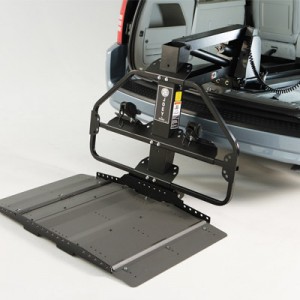
One critical feature is the ramp system. Many vans include lightweight, automatic ramps for easy entry. These ramps can accommodate various wheelchairs. Additionally, raised roofs create extra headroom. This feature enhances comfort. According to data from the National Mobility Equipment Dealers Association, over 80% of users prioritize spacious interiors when choosing a van.
Another vital aspect is securement systems. Wheelchair tie-downs ensure safety during travel. Choosing adjustable seats can also aid flexibility in vehicle design. However, not all systems are equally effective. Some reviews note that improper installation can compromise safety. Therefore, considering professional guidance during conversion is necessary to avoid pitfalls.
Top Handicap Van Conversion Options for Enhanced Mobility and Accessibility
| Feature |
Description |
Benefits |
| Wheelchair Lift |
A mechanical lift that raises and lowers a wheelchair to and from ground level. |
Simplifies entry and exit for wheelchair users, enhancing independence. |
| Ramp Access |
A sloped surface that provides a smooth transition for wheelchair entry. |
Easy for caregivers and users, providing safe access without lifting. |
| Lowered Floors |
Modification of the vehicle's floor for easier access. |
Increases headroom and comfort for wheelchair users while seated. |
| Swivel Seats |
Seats that can rotate to face the door for easier transfer. |
Facilitates easy entry and exit, promoting user safety. |
| Secure Wheelchair Tie-Downs |
Straps designed to keep the wheelchair in place during transit. |
Ensures safety and stability while on the move. |
| Hand Controls |
Controls for operating the vehicle without foot pedals. |
Enables individuals with limited leg mobility to drive independently. |
Comparative Analysis of Conversion Companies and Services
When exploring mobility solutions, many individuals consider van conversions. It’s critical to analyze different companies and services available. A comparison can reveal various options tailored for enhanced accessibility.
Look for firms with solid experience in conversions. Examine their portfolio to gauge craftsmanship. It’s vital to identify what special features each service offers. Some companies excel in ramp designs, while others focus on lift systems. Consider these aspects to fit your unique needs.
Tip: Always ask for customer testimonials or case studies. Personal experiences provide valuable insights into reliability and service quality.
Additionally, reflect on the after-sales support each company provides. Accessibility doesn’t stop at conversion. Reliable maintenance and repair services are crucial for a seamless experience.
Tip: Compare warranties offered by different companies. A comprehensive warranty can protect your investment in the long run.
Each conversion journey is unique. Take the time to carefully evaluate options. This will ensure your mobility solution truly enhances your daily life.
Customer Experiences and Testimonials on Accessibility Improvements
Mobility challenges affect many individuals and families. Transforming a standard van into a handicap accessible vehicle is a life-changing solution. Customers often share their journeys about adjusting to these modifications. The added features help them gain independence and confidence in their daily activities. One user described feeling trapped before the conversion. Now, they experience joy in attending social events again.
Testimonials highlight the significance of thoughtful design. Many appreciate the easy access ramps and spacious interiors. However, some users note that not every modification fits all needs perfectly. A few individuals struggled with securing their mobility devices. This inconsistency shows there’s still room for improvement in the conversion process. Adapting to new features can take time and effort, but the positive feedback often outweighs the challenges.
Users emphasize the emotional benefits, too. Gaining mobility opens social doors. Family members express relief and happiness as their loved ones regain a sense of freedom. While there are hurdles in the conversion process, customer experiences show the profound impact on everyday life. Enhanced accessibility can bridge the gap between limitations and the desire for normalcy. These stories reflect resilience and hope within the disability community.