















How to Choose the Right Vape Pin for Your Device?
Choosing the right Vape Pin starts with understanding what the term means for your specific device. It may refer to a connector contact or another small conductive component. Names and designs vary. Check the device manual, product specifications, and manufacturer guidance before comparing parts. A pin that looks similar may still have different dimensions, threading, or contact placement. Small details matter.
Look closely at compatibility, fit, and condition. The connection should seat evenly, without force or visible gaps. Inspect for corrosion, deformation, or loose movement under good light. Do not guess. If a replacement is needed, use a part confirmed for the exact device model, rather than relying on appearance alone. Avoid bending contacts or improvising repairs; these can create unreliable connections or damage the device. When specifications are unclear, ask the manufacturer or a qualified repair professional.
Material and construction may matter, but compatibility comes first. Product descriptions can be vague, and I would not treat a polished finish as proof of quality. That is worth questioning. A reliable choice is one supported by clear specifications, reputable sourcing, and consistent fit. This guide explains what to check, what warning signs to notice, and when to stop and seek help. Device designs differ, so no single pin suits every setup. Verify before buying.
Identify Your Vape Device and Its Pin Connection Type
How to Choose the Right Vape Pin for Your Device?
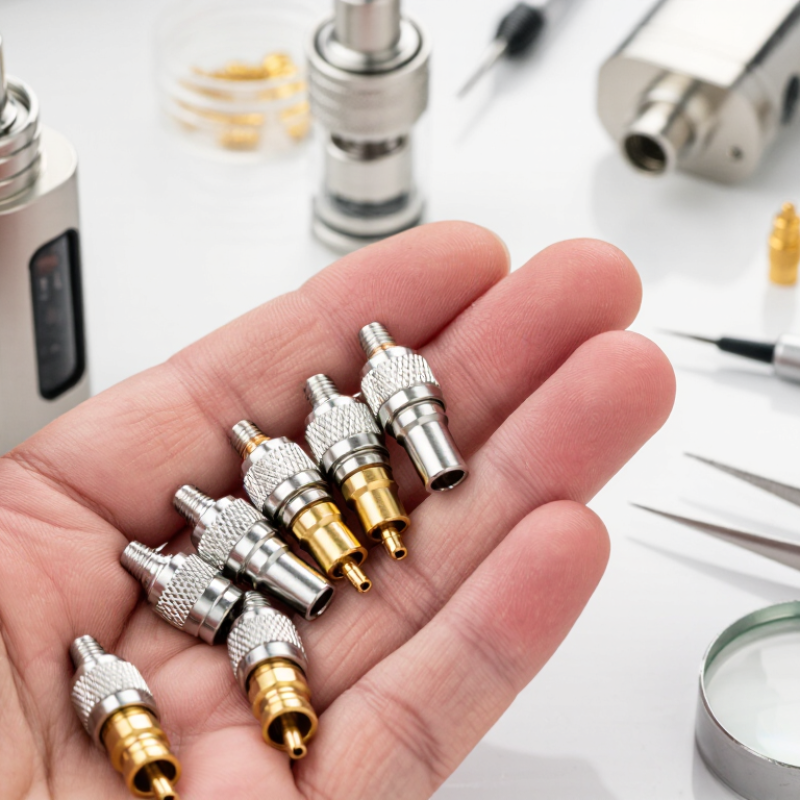
Identify the device before comparing pins. Check its manual, model label, or original packaging for the connection type. A threaded 510 connection is common, while many pod-style devices use magnetic or proprietary contacts. Look closely at the connector: threads, a central contact, or two small metal pads can help you tell them apart. Small details matter. A similar-looking pin may still sit too high or too low.
Grand View Research estimated the global e-cigarette and vape market at USD 26.2 billion in 2022. Its report projected a 30.6% compound annual growth rate through 2030.
That forecast suggests a varied market; it does not mean connectors are interchangeable. Compare the pin’s thread or contact layout with the device, and check its diameter and length where specifications are available. Keep the device powered off while inspecting it, and avoid bridging contacts with metal tools. If the fit feels tight, stop rather than forcing it. I have found that checking the manual is less exciting than guessing, but guessing can damage a connector.
