


















How to Find Top China Lories Truck Suppliers?
Finding a reliable Lories Truck supplier in China requires more than comparing online prices. It requires evidence, field knowledge, and disciplined verification. China’s commercial vehicle market remains substantial. The China Association of Automobile Manufacturers reported approximately 4.03 million commercial vehicles sold in 2023. This scale creates broad supplier choice, but quality varies widely.
International demand also reflects changing transport needs. The International Road Transport Union reported a global shortage of more than three million professional drivers in 2023. Efficient, durable trucks can reduce downtime and improve fleet productivity. However, a low purchase price does not guarantee lower operating costs. Buyers should examine payload ratings, axle specifications, fuel consumption, component brands, warranty terms, and parts availability.
A serious supplier should provide factory registration details, production photographs, inspection records, and export references. Independent pre-shipment inspections can confirm chassis numbers, engine specifications, tire condition, and safety equipment. Ask for test reports, not only brochures. A catalogue photo is not proof. The ISO 9001 standard may indicate structured quality management, but certification alone cannot replace an on-site audit. Supplier screening should also consider compliance with the destination country’s road, emissions, and import requirements.
This process is not perfect. Some capable manufacturers have limited English communication, while polished traders may lack production control. The best decision combines documentary evidence, technical review, customer references, and transparent communication. Research from the World Bank on logistics performance also shows that reliability matters beyond vehicle cost. Therefore, this guide explains how to compare China Lories Truck suppliers, identify operational risks, and build a more dependable sourcing decision.
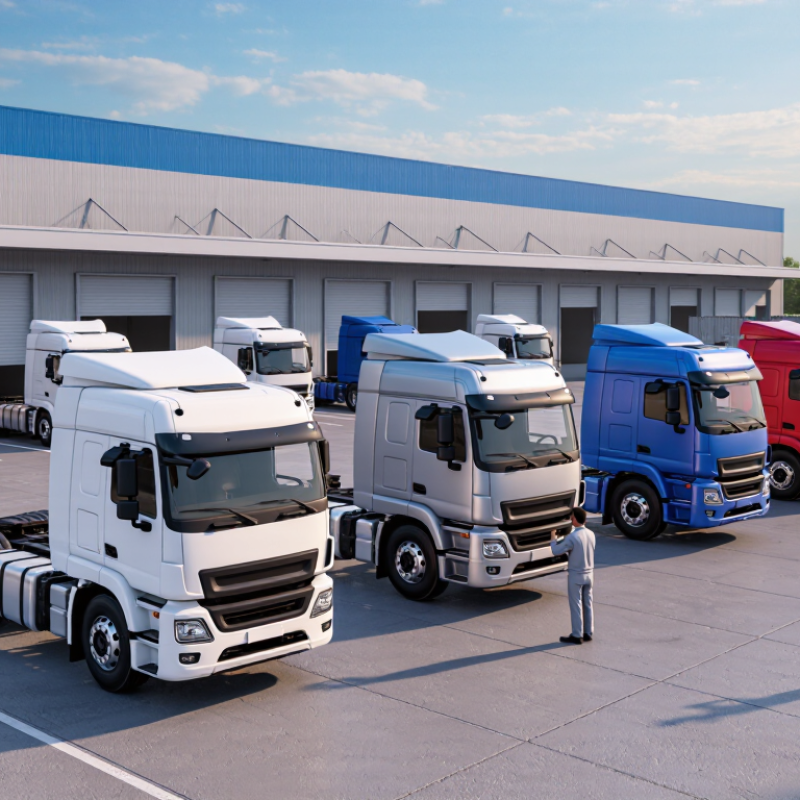
Define Your China Lorry Requirements and Sourcing Criteria
A reliable China lorry search starts with a clear operating profile. Define the payload, cargo dimensions, road conditions, and daily travel distance. Start with the route. A refrigerated lorry needs different insulation, temperature control, and power capacity than a dry cargo vehicle. Record the preferred engine type, axle layout, cabin size, fuel use, and maintenance access. Include local driving regulations, safety standards, emission limits, and import documentation requirements. These details prevent attractive quotations from hiding unsuitable specifications.
Your sourcing criteria should separate essential requirements from negotiable preferences. Request drawings, technical data sheets, load tests, production photos, and service records. Ask suppliers to confirm steel thickness, braking systems, tire specifications, electrical components, and warranty coverage in writing. Keep evidence. Compare at least three offers using the same checklist, not only the lowest price. Factory audits, video inspections, and independent pre-shipment checks can reveal weak welding, poor sealing, or incomplete tools. A small inspection fee may protect a much larger investment.
My first sourcing plan once focused too heavily on purchase price. That was a mistake. I later learned that spare-part availability, technician response time, and delivery reliability affect the real cost. Require a detailed contract with payment stages, acceptance criteria, delivery terms, and remedies for defects. Leave room for correction. Specifications can change after a test drive, especially when the lorry feels unstable under load. Choose a supplier that answers technical questions precisely, admits limitations, and supports lawful operation in your destination market.
