












What Is an Inflatable Raft Boat and How Does It Work?
An Inflatable Raft Boat is a lightweight watercraft built around air-filled chambers. These chambers usually use reinforced PVC or coated fabric. They create buoyancy while keeping the boat portable and relatively easy to store. When deflated, many models fit inside a carry bag. When inflated, they form a stable platform for fishing, rescue training, recreation, or calm-water transport.
The working principle is straightforward. A hand pump pushes air through one-way valves into separate chambers. The sealed air supports the hull and helps the boat keep its shape. Many designs include an inflatable floor, rigid slats, or an air-deck system. These features improve comfort and standing stability. Oars move the boat through the water, while some models accept a small, approved motor. Performance depends on pressure, load, hull shape, and water conditions. Details matter.
Not every Inflatable Raft Boat behaves the same way. A compact recreational model may feel lively under shifting weight. A larger river design may track better but require more setup. Correct inflation is essential. Underinflation can reduce control, while excessive pressure may stress seams. Inspect valves, fabric, drain plugs, and attachment points before launching. Follow the manufacturer’s capacity ratings and wear suitable personal flotation equipment. Calm water is a sensible starting point. Still, the word “raft” can create false confidence. Wind, cold water, hidden damage, and changing weather can quickly exceed a beginner’s experience. This guide explains the construction, buoyancy, steering, and practical limitations of these boats, while acknowledging one uncomfortable truth: simple equipment still demands careful judgment.
Definition and Main Features of an Inflatable Raft Boat
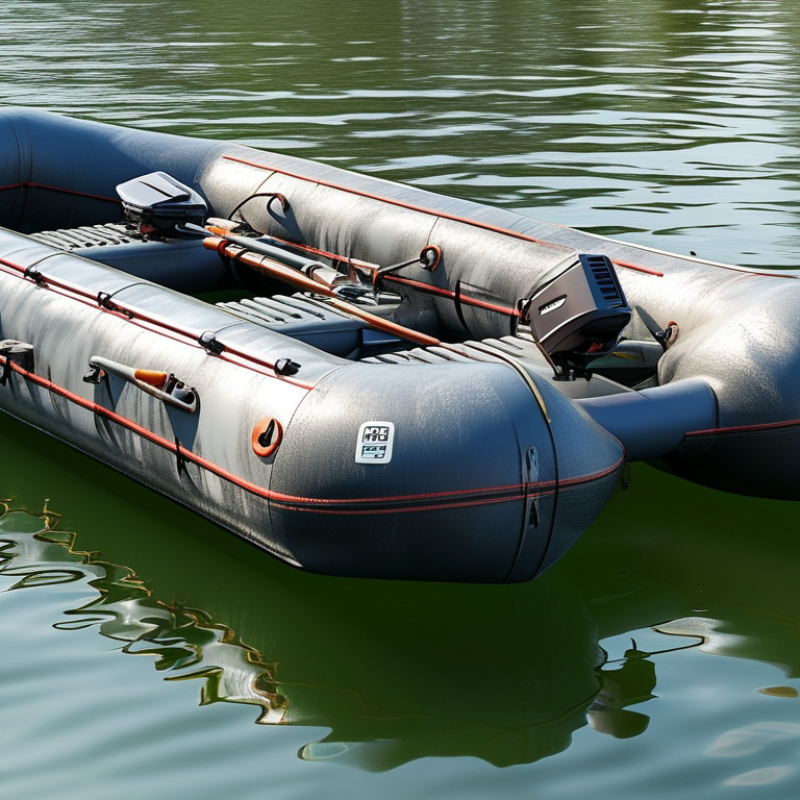
An inflatable raft boat is a lightweight watercraft made from flexible, air-filled tubes and a floor. Unlike a rigid boat, it gains shape and buoyancy after its chambers are inflated. The tubes usually use reinforced fabric with an airtight coating. This construction helps the raft resist splashes, rubbing, and moderate pressure. It also allows convenient storage in a compact bag. Deflated, it is easy to carry. Inflated, it can support passengers, equipment, or both, depending on its rated capacity. A reliable raft normally has separate air chambers. If one chamber loses pressure, the others may keep the boat afloat. This improves safety, but it cannot replace inspection or careful operation.
Its main features include inflation valves, grab lines, handles, a drain system, and an internal floor. Some models use inflatable floors for comfort and lower weight. Others include slatted or rigid inserts for better stability underfoot. Oars or paddles move the boat by pushing water backward. The hull’s shape affects tracking, turning, and performance in waves. Wider tubes can improve stability, while a deeper floor creates more usable space. In practical use, pressure matters. Too little air can make the raft sluggish and unstable. Too much pressure may stress seams in hot weather. Small leaks are easy to overlook after transport. A pressure check, valve inspection, and load review should happen before every launch. The design is practical, but not flawless. Conditions can change quickly.
