


















7 PES Membrane Buying Tips for Global Buyers
Choosing a Pes Membrane is not just a matter of comparing prices. The right specification depends on the fluid, operating temperature, pressure, and filtration target. A membrane used for a laboratory sample may not suit continuous production. Small details matter.
Global buyers also need to look beyond the product name. Check the stated pore size, membrane format, thickness, and whether the material is hydrophilic or hydrophobic. Confirm that the housing and seals are compatible with the intended process. Ask suppliers how they test consistency between batches. A clear datasheet helps, but it cannot answer every application question.
A practical evaluation starts with the actual operating conditions. Share expected flow rates, cleaning steps, and any exposure to solvents or heat. Request sample material when possible, then compare it under realistic conditions. Ask for evidence, such as test methods, batch records, and relevant quality documentation. These details can help distinguish a dependable supplier from one relying on broad claims. Still, even careful checks have limits; field performance may differ from laboratory results. That deserves attention.
The following seven buying tips will help global purchasers assess specifications, supplier reliability, documentation, and total cost. They are intended as a useful starting point, not a substitute for technical validation. Be specific, ask follow-up questions, and record what remains uncertain before placing a large order.
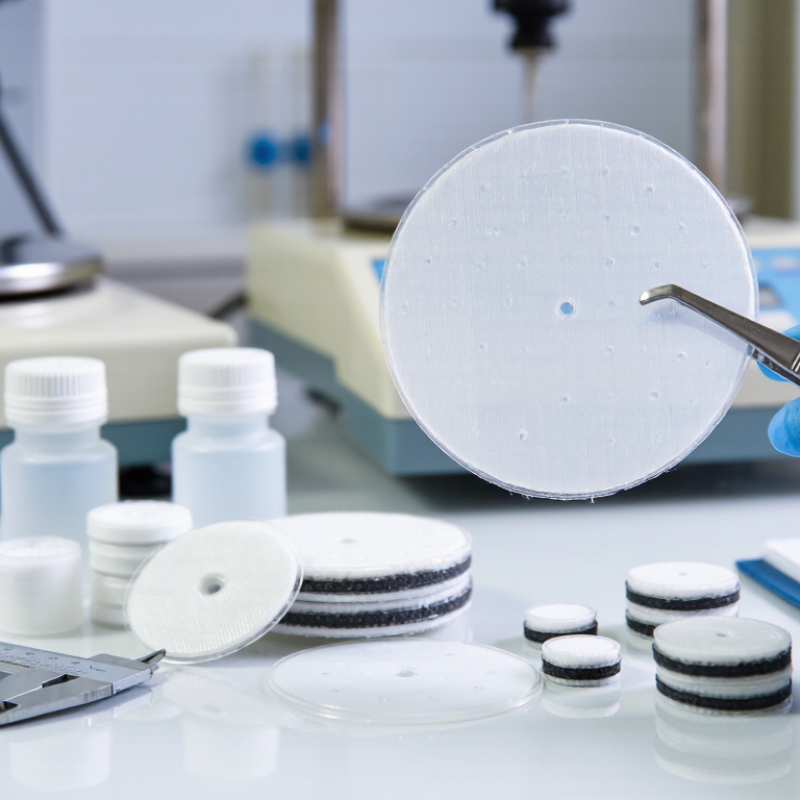
Understand PES Membrane Types and Their Intended Applications
PES membranes are available in different pore ratings and formats, and those differences shape their intended use. Microfiltration grades are commonly selected to reduce suspended particles and microbial loads, while ultrafiltration membranes separate smaller colloids or retain macromolecules. A 0.1-micrometre rating may suit a different process than a membrane defined by molecular-weight cutoff. Check how the supplier measured and reports each rating. Labels can look similar.
Format matters, too. Hollow-fiber modules offer high surface area for continuous water treatment, while flat-sheet membranes are often used in laboratory tests and process development. For sterile filtration, buyers should verify the specific retention claim and validate it under actual operating conditions. Protein processing may call for attention to adsorption, recovery, and cleaning compatibility. Water applications require checks on feed quality, pressure, and fouling behavior. Not interchangeable. A datasheet cannot predict every real-fluid result, and that is easy to underestimate. Compare the membrane’s pore rating, chemical limits, temperature range, and sterilization method with the intended process. Pilot testing can reveal practical issues before a larger installation.
