







7 Tips for Buying Bicycle End Caps
Bicycle End Caps may be small, but the right choice can help protect exposed handlebar ends and create a neat finish. A loose, cracked, or poorly sized cap can be annoying on every ride. It may also leave the bar opening exposed to dirt and moisture. The details matter. Check your handlebar’s inner diameter before ordering, since caps are not universally interchangeable. A ruler can help, but measure carefully and confirm the product’s stated fit range. A few millimeters can change the result.
This guide covers seven practical points to consider when buying Bicycle End Caps, from fit and material to installation and value. Look for durable construction, a secure fit, and edges that sit evenly against the bar. Consider how the caps will be installed, too; some designs press in, while others use an expanding mechanism. If possible, compare the product details with your handlebar specifications rather than relying on appearance alone. A polished photo can hide a mismatch. Even experienced riders may overlook that. Think about your riding conditions and how often you handle or transport your bicycle. No single design suits every setup, and low cost does not always mean poor quality. Still, vague sizing information deserves a second look. With a little checking, you can choose caps that fit cleanly and hold up to regular use.
What Bicycle End Caps Do and Where They Are Used
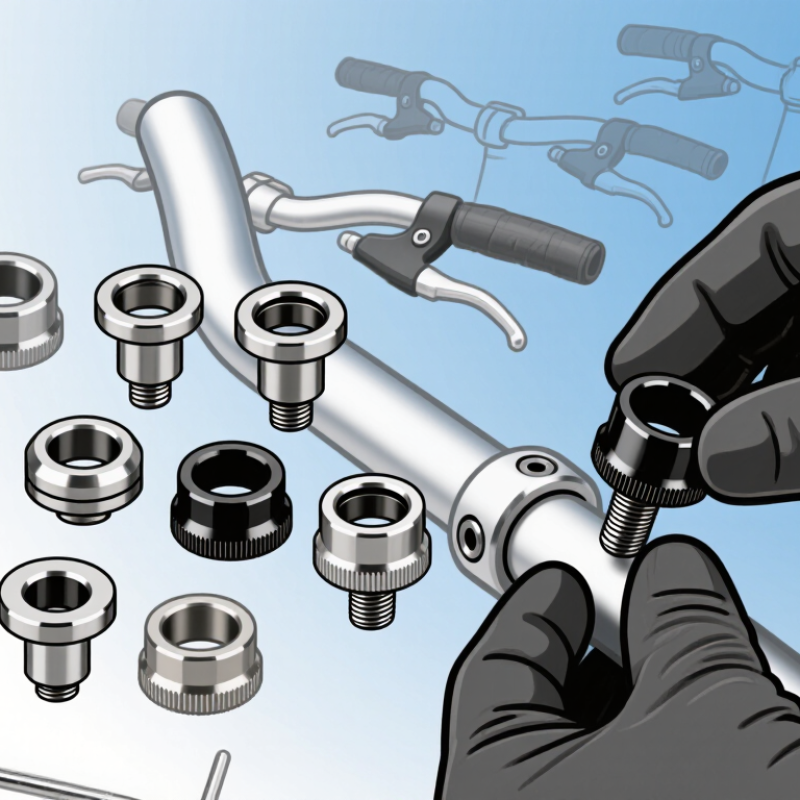
A bicycle end cap closes an exposed opening or finishes the end of a component. The most visible example is the plug fitted into each handlebar end. It keeps dirt and water away from the hollow bar, and provides a smoother edge if a rider’s hand slips. Small detail. Cable ends use different caps: crimped metal tips help keep cut strands from unraveling, while housing ferrules support cable housing at its ends. Some hubs also use Axle End Caps, sized to fit a particular axle and frame setup. The term can be confusing; shops do not always use it consistently.
Placement matters when choosing a replacement. Handlebar plugs must fit the bar’s inside diameter and stay secure when pushed or tapped into place. Cable caps should match the cable or housing, without crushing it. Hub end caps need to match the hub and axle standard; appearance alone is not enough. PeopleForBikes’ 2024 U.S. Bicycling Participation Report estimated that 112 million Americans rode a bicycle in 2023. That broad use makes routine fit checks worthwhile, even for tiny parts. Check the fit. A loose plug can fall out, and a poorly crimped cable tip may snag during adjustment. I would measure twice; these parts look interchangeable until they are not.
