


















10 Tips to Choose the Best Facial Analysis Machine?
Choosing a Facial Analysis Machine is not simply a matter of selecting the camera with the highest resolution. A reliable system should produce useful, repeatable information under real working conditions. That includes visible pores, uneven tone, fine lines, redness, and moisture-related patterns. Lighting matters greatly. A bright window can change the result within minutes.
Dermatologist and skin-typing researcher Dr. Leslie Baumann has emphasized, “There is no one-size-fits-all approach to skin care.” This principle also guides equipment selection. The best Facial Analysis Machine should support professional judgment, not replace it. A clear report, practical measurement categories, and simple client explanations are essential. So is consistent calibration.
Look beyond impressive screenshots. Check whether the device has documented testing, transparent measurement methods, staff training, software updates, and dependable technical support. Ask how the machine handles different skin tones and whether results remain comparable across repeated scans. A beautiful interface is not enough.
Small details reveal quality. Can the client rest their chin comfortably? Does the camera capture both cheeks evenly? Can the software export records without creating confusion? These questions often matter more than a long feature list.
Some choices remain imperfect. I may overvalue sharp images. A clinic may also purchase advanced functions that staff rarely use. The following ten tips examine performance, accuracy, usability, privacy, maintenance, and long-term value. They are designed to help clinics make a careful decision before investing in a Facial Analysis Machine. Reliable analysis begins with realistic expectations.
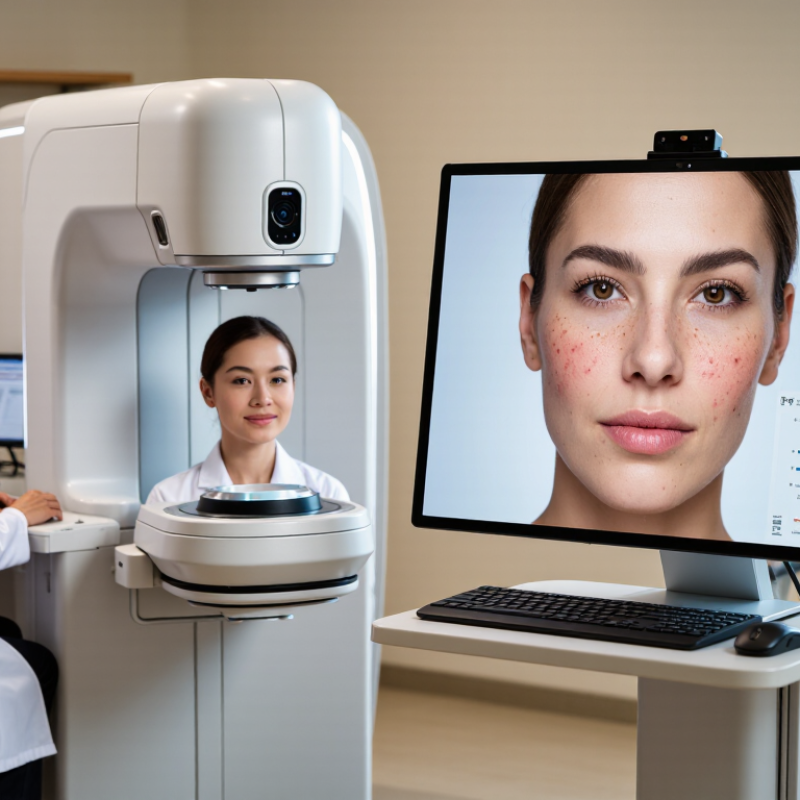
Define the Purpose and Users of a Facial Analysis Machine
Before choosing a facial analysis machine, define its exact purpose. A salon may need skin hydration, oil, pore, and pigmentation measurements. A clinic may require deeper imaging for professional assessment and progress tracking. These are different needs.
Identify the intended users, too. Estheticians often need fast results during consultations. Dermatology teams may expect higher image detail, consistent lighting, and exportable records. Customers usually want clear explanations, not complicated charts. The machine should support informed decisions, not replace clinical judgment. A trained professional must review unusual findings before suggesting treatment.
Think about the daily setting. Will the device stand beside a treatment bed or travel between rooms? Check whether staff can operate it without constant technical support. Test a sample session: clean the skin, capture three angles, and compare the readings. Small changes in lighting can affect results. That matters.
Be honest about limitations. No facial analysis system is perfectly objective. Skin tone, recent skincare, makeup residue, and camera position may influence the data. I would record the room conditions and repeat scans when results seem doubtful. It takes extra time, but unreliable numbers can mislead clients. Protect personal images and measurements with controlled access and clear consent procedures. A useful machine fits the users, the workflow, and the decisions they are qualified to make.
