










Top 10 Automatic Diaper Machine Suppliers Worldwide
Automatic Diaper production depends on reliable equipment, careful process control, and support that continues after installation. Choosing a machine supplier can shape product consistency, factory output, and future expansion. Yet supplier descriptions often emphasize speed and capacity. Buyers also need to examine changeover time, material compatibility, operator training, and maintenance access.
This guide introduces ten Automatic Diaper machine suppliers with an international presence. It offers a practical starting point, not a universal ranking. A machine suited to one factory may be a poor fit for another. Product range, target production volume, available floor space, and local service coverage all affect the decision. Small details matter. For example, access to a sealing unit can influence how quickly a maintenance team resolves a stoppage.
The overview focuses on factors procurement teams can verify, including equipment configurations, automation features, technical support, and customization options. Where possible, compare documented specifications rather than relying on broad marketing claims. Ask suppliers about commissioning, spare-part availability, training, and performance testing under realistic conditions. These checks help reveal the difference between a promising brochure and a workable production plan. No supplier is perfect, and published information may not answer every question. Readers should confirm current capabilities directly with each company before making a shortlist or investment decision.
Understanding Automatic Diaper Machines and Their Role
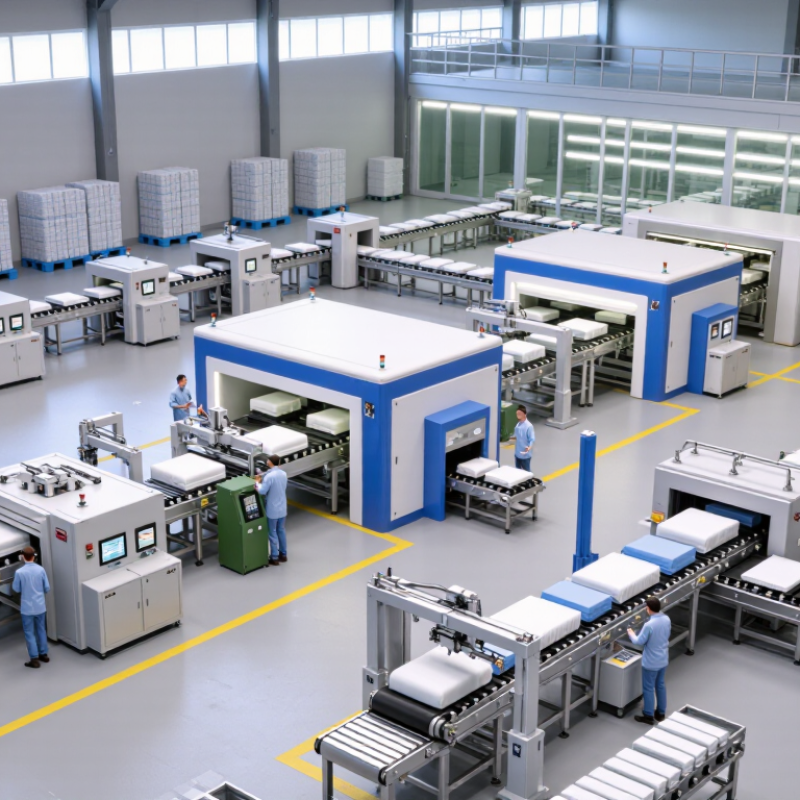
Automatic diaper machines turn rolls of nonwoven fabric, absorbent material, and elastic into consistently shaped products. Unwinders feed the materials through forming, bonding, cutting, and folding stations. Sensors monitor web tension and product position as the line runs. Small errors matter. A drifting layer can create uneven edges or weak seals, leading to rejected products and wasted material. Operators therefore check alignment, seal quality, and absorbent-core placement throughout production, not only at startup.
Grand View Research estimated the global baby diaper market at USD 83.85 billion in 2023 in its Baby Diapers Market report. That figure describes market value, not machine sales or production volume, so it should not be treated as a direct forecast for equipment demand. Still, it signals the scale of the supply chain these machines serve. Automatic lines help manufacturers maintain repeatable output and change product formats, though changeovers can take time and need careful adjustment. Speed alone is not enough. Reliable performance also depends on maintenance, material consistency, and trained staff. One detail is easy to overlook: a fast line can magnify small setup mistakes.
