










Top Automatic Diaper Machine Suppliers in China?
China has a broad manufacturing base for baby-care production equipment, including high-speed diaper lines and supporting systems. Choosing a supplier takes more than comparing brochure prices. An Automatic Diaper machine must match the product design, target output, factory layout, and available technical support. Small details matter: web tension, changeover time, packaging integration, and access to spare parts can affect daily production.
No shortlist is perfect. Supplier claims need checking against clear evidence. This guide introduces key factors for comparing leading Chinese diaper machine suppliers, without treating marketing language as proof. It considers machine configuration, customization options, quality-control practices, installation, training, and after-sales service. Buyers can ask for recent customer references, sample production data, and a detailed list of included components. A factory visit or live video demonstration may help clarify how equipment performs beyond a specification sheet. That matters.
A low purchase price can be appealing, but it may not reflect the full cost of commissioning, maintenance, or downtime. Confirm response times, warranty terms, and the availability of replacement parts before making a decision. Specifications should also be compared on equal terms; quoted production speeds may depend on product size, material, and operating conditions. Some details are easy to overlook. Use the supplier profiles and evaluation points that follow as a starting point, then verify important claims directly. A careful comparison can support a more informed purchase, though no guide can replace a buyer’s own technical review.
Understanding Automatic Diaper Machines and Their Main Functions
Understanding Automatic Diaper Machines and Their Main Functions
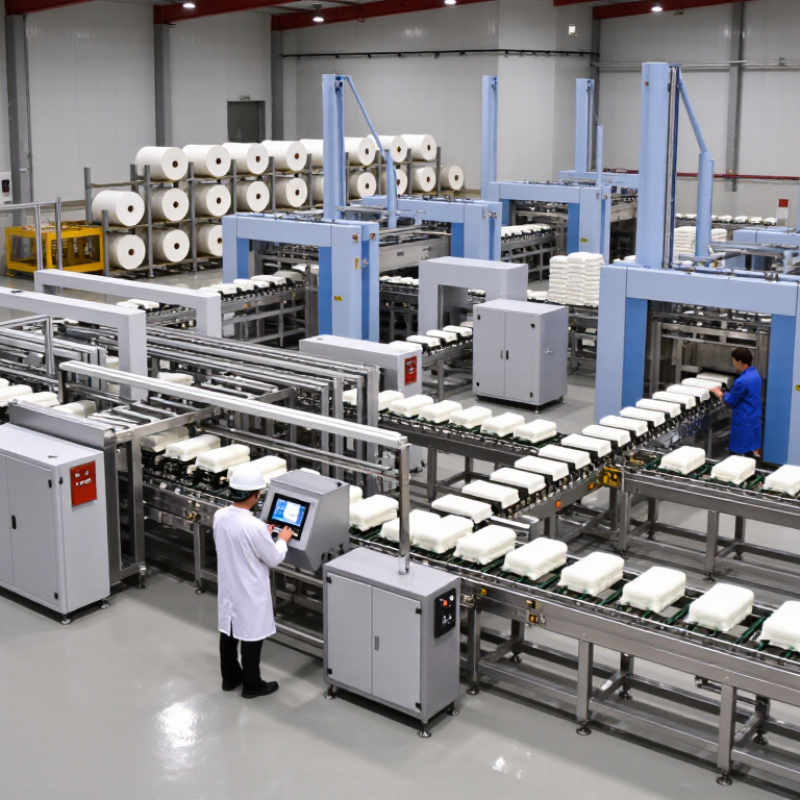
An automatic diaper machine turns rolls of nonwoven fabric, film, absorbent pulp, and elastic into finished products. Feeding units guide each material through the line, while tension controls help prevent wrinkles and misalignment. The absorbent core is formed and layered with topsheet and backsheet materials. Elastic strands and leg cuffs are added for fit and leakage control. Cutting, folding, and stacking follow. Sensors and a control system monitor speed, position, and selected quality points. Small setup errors can still cause waste, so machine output should be checked during real production, not judged from a sample alone.
For buyers comparing suppliers in China, it helps to understand the machine’s intended product range and changeover requirements. Ask how quickly operators can adjust sizes, replace rolls, and clear common stoppages. Review output rates alongside the expected reject rate; a fast line is not useful if it creates frequent defects. Also check whether spare parts, manuals, and operator training are clearly specified. Details matter. No line is perfect, and actual performance can differ with material quality, maintenance, and operator skill.
Tips: Request a production trial using materials similar to yours. Watch the core-forming and cutting stages closely, and ask how defects are detected. Get maintenance intervals and service response terms in writing.
