


















What Are the Top Diesel Fuel Generator Types in 2026?
In 2026, choosing a Diesel Fuel Generator starts with the job it must perform, not a headline power rating. A small mobile unit may suit a worksite tool trailer, while a standby model can support essential building systems during an outage. Prime-rated machines are designed for regular, variable loads; continuous-duty units serve steadier demand. These categories overlap in product catalogs, so check the manufacturer’s rating and operating limits. Labels alone can mislead.
This guide compares portable, standby, prime-power, industrial, and sound-attenuated generator types. It considers where each fits, from a farm pump beside a dusty shed to a hospital backup room with strict noise concerns. Fuel use, runtime, load changes, service access, and installation needs all affect the real cost of ownership. A technician can verify sizing against starting loads and site conditions; guessing from average wattage is a common, avoidable mistake. Details matter.
There is no universal “best” type. A compact unit may be easy to move but lack the reserve capacity a busy site needs. A larger generator can handle demand, yet spend much of its life lightly loaded. That trade-off deserves attention. Compare specifications from manufacturers, review maintenance requirements, and confirm applicable emissions and installation rules in your location. The sections ahead explain the main types and the practical questions that help match one to your needs. Some choices remain imperfect. The goal is a reliable fit, not the biggest machine on the page.
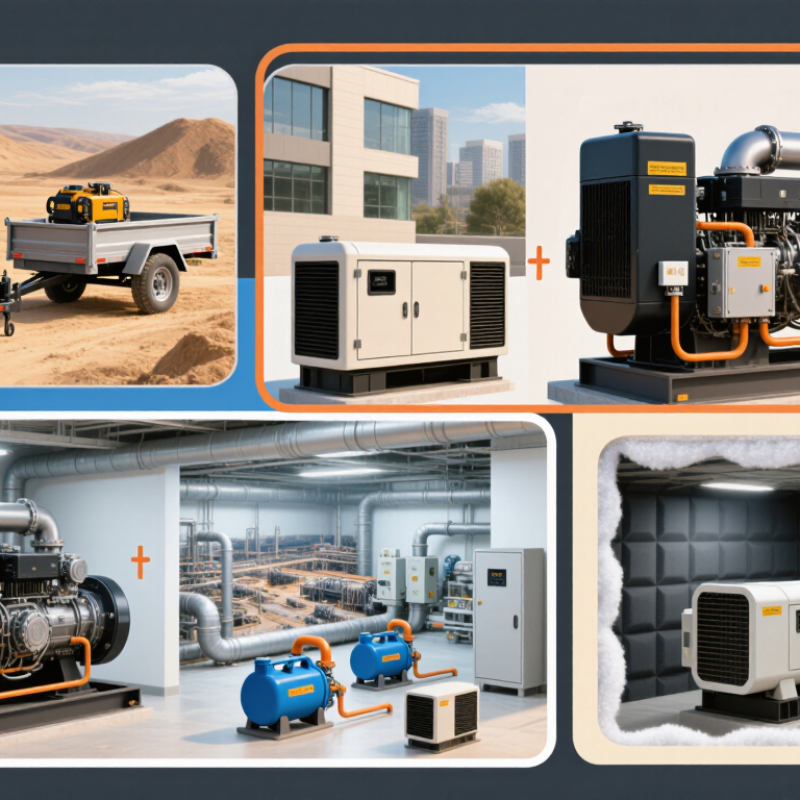
How Diesel Generator Types Are Classified in 2026
In 2026, diesel generators are best classified by how and where they operate, not by one universal list. A site unit may be stationary, while a trailer-mounted set can move between work areas. Enclosures also matter: an open frame suits a protected plant room, while a weather-resistant canopy helps shield equipment outdoors. The labels overlap. Check the installation, not just the product name.
Operating duty is another key category. Standby sets are intended for outages; prime-rated units can serve variable loads where utility power is limited. Continuous-duty models are designed for steady demand within their specified limits. These ratings are not interchangeable. Compare the maker’s rating sheet with expected run hours, load changes, and maintenance intervals. A generator sized only for peak demand may spend much of its life lightly loaded, which is worth reviewing.
Cooling method, electrical output, and control features add further distinctions. Air-cooled models are common in smaller applications, while larger units often use liquid cooling to manage heat. Output may be single-phase or three-phase, depending on connected equipment. A technician should check starting loads, voltage, frequency, ventilation, and exhaust routing before selection. Real installations are messy; catalog categories rarely capture every constraint.
