












What Are the Top Emergency EV Charger Types in 2026?
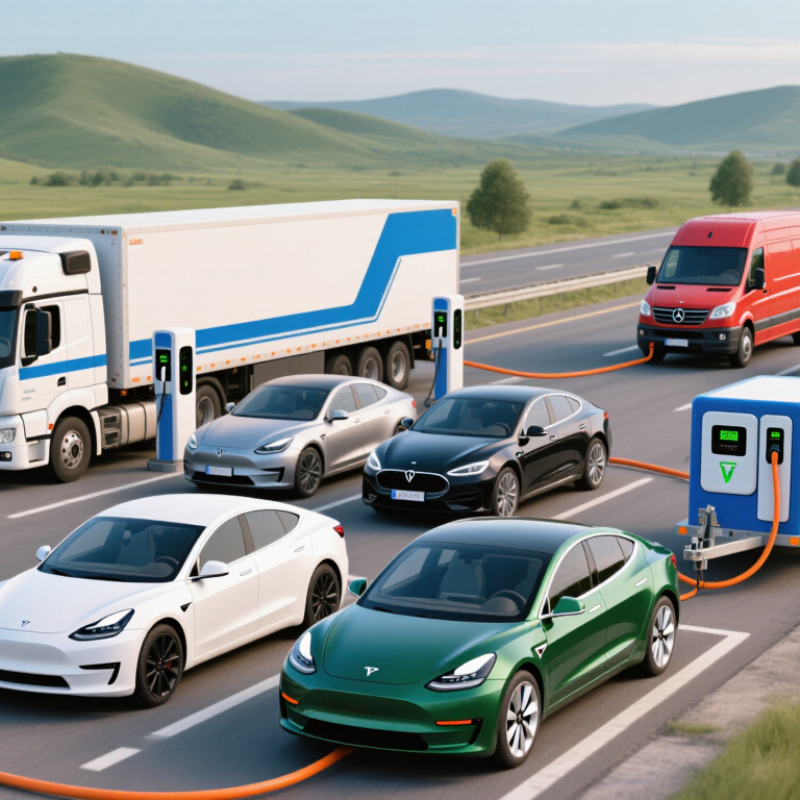
An empty battery can turn a routine trip into a roadside problem. The right Emergency Ev Charger can restore enough range to reach a station, or bring power directly to a stranded vehicle. These solutions are not interchangeable. A compact battery unit suits short-range assistance, while a mobile DC fast charger can serve multiple vehicles at a busy roadside location. Towable charging units offer another option when fixed infrastructure is unavailable. The best choice depends on response time, vehicle compatibility, weather, and the distance to the nearest working charger.
The International Energy Agency’s Global EV Outlook 2024 reported more than four million public charging points worldwide at the end of 2023. More than 1.3 million were added that year, and fast-charger installations grew by about 55%. Those figures show rapid expansion, but they do not guarantee help on a remote road or during a power outage. The IEA’s Executive Director, Fatih Birol, has said, “The future of road transport is electric.” That future still needs practical backup.
This guide compares the leading emergency charger types expected to matter in 2026: portable battery chargers, mobile DC fast chargers, towable units, and vehicle-to-vehicle charging systems. Each has limits. Some deliver only a modest range boost; others need trained crews, suitable access, and time to deploy. That matters. One overlooked detail is connector and vehicle compatibility, which can turn an available charger into an unusable one. The rankings therefore focus on response speed, usable power, portability, and real-world constraints—not impressive specifications alone.
What Emergency EV Charging Means in 2026
In 2026, emergency EV charging means getting a stranded electric vehicle enough power to reach a suitable charging point. It is a temporary service, not a replacement for planned charging. A driver may need help after misjudging a route, facing a closed charger, or arriving with less range than expected. Sometimes the problem is not the battery at all.
Emergency support can take several forms. A roadside unit may deliver a limited charge, while a mobile service vehicle can bring power directly to the car. The right option depends on the vehicle’s connector, charging capability, location, and service availability. A trained operator should check these details before connecting equipment. A few extra miles may be all that is needed.
That is the practical goal. Not a full battery. Drivers should share their location and dashboard range estimate, then follow the operator’s instructions while waiting in a safe place. Charging speed and usable range vary with conditions, so promises of a fixed distance can be misleading. It is worth admitting that emergency charging is not always quick or convenient; access may be limited in remote areas. Planning still matters, even when backup exists.
