










What Are the Top 10 Gel Extraction Kits for Global Buyers?
Choosing a Gel Extraction kit is not just a matter of comparing prices. A clean band can become a weak yield if the membrane, binding buffer, or elution step does not suit the sample. Buyers also need to consider spin-column capacity, recovery claims, protocol clarity, and the number of preparations per pack. Small details matter. A tube that looks convenient on a product page may feel less practical beside a crowded bench.
Quality expert W. Edwards Deming famously said, “In God we trust; all others must bring data.” He was not a gel-kit specialist, but the principle fits this comparison: buyers should look for published specifications and transparent performance information, not bold claims alone. This guide reviews ten widely considered options through practical criteria, including recovery, speed, handling, and value. Brand availability and kit formats can vary by region, so confirm current product details with suppliers.
No single kit wins every time. Some workflows prioritize quick purification; others need dependable recovery from small DNA bands. Even careful comparisons have limits: sample type, gel percentage, and user technique can change results. That part is easy to overlook. The aim here is not to declare one universal winner, but to help global buyers match a kit’s documented strengths to their laboratory’s real needs.
What Gel Extraction Kits Are and How They Work
What Are the Top 10 Gel Extraction Kits for Global Buyers?
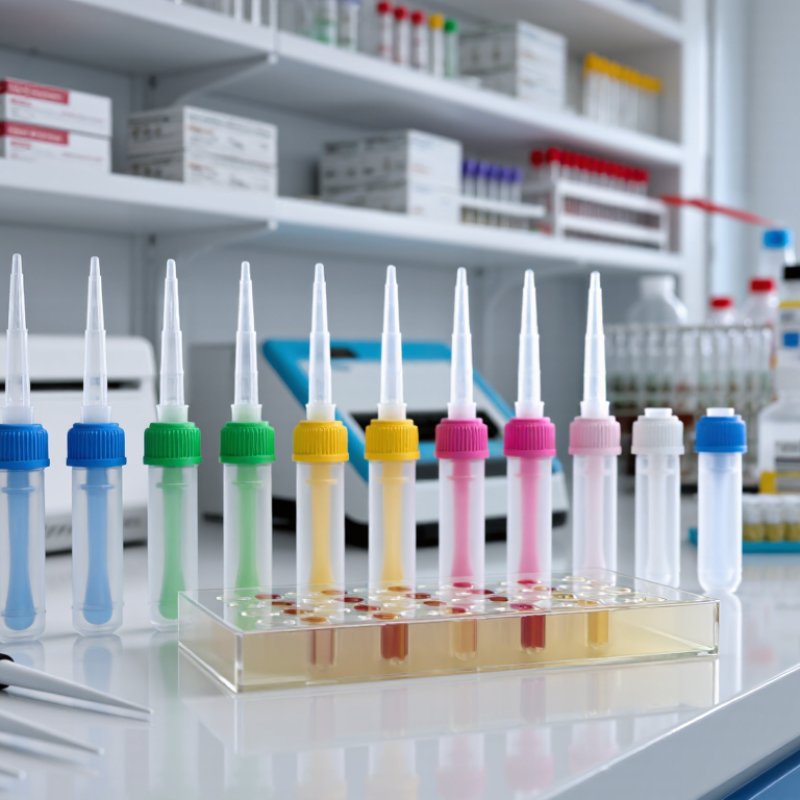
Gel extraction kits recover a chosen DNA fragment from an agarose gel after electrophoresis. Most use a silica membrane inside a small spin column. The gel slice is dissolved in a binding buffer, often with chaotropic salts, which help DNA attach to the membrane. After centrifugation, wash buffers remove agarose, salts, and other residues. A final low-salt buffer or clean water releases the DNA into a collection tube. That matters.
The method is simple, but small details affect yield and purity. A large gel slice takes longer to dissolve and may reduce recovery. Cutting close to the visible band limits excess agarose. Use the fragment-size range and buffer volumes specified in the kit instructions; formats and conditions can differ. Strong ultraviolet exposure may also damage DNA, so use an appropriate viewing method and keep exposure brief. Results are not always perfect. Very small fragments, for example, may be lost more easily during washing.
Tips: Weigh the gel slice when possible, dissolve it fully, and avoid carrying gel debris into the column. Let the wash solution drain before elution. If the DNA will be used in a sensitive downstream reaction, consider checking its concentration and purity rather than relying on appearance alone.
