


















Top Fish Collagen Powder Suppliers for Global Buyers
Choosing a reliable Fish Collagen Powder supplier takes more than comparing prices. Global buyers need to understand where the raw material comes from, how it is processed, and what evidence supports its quality. A clear product specification should describe the collagen source, protein content, particle size, solubility, flavor, and packaging. Small details matter. A powder that dissolves slowly in a test cup may create problems in a finished beverage.
Supplier documents deserve close attention. Buyers can request recent certificates of analysis, relevant quality-system documents, and information about traceability and contaminant testing. These records help guide evaluation, but they do not replace independent checks where appropriate. A polished brochure is not proof. Ask how batches are identified, how changes are communicated, and whether samples match the stated specification. The answers should be specific and consistent.
Commercial terms matter too. Minimum order quantities, production capacity, lead times, payment terms, and shipping arrangements can affect a sourcing plan as much as product performance. Ask for realistic timelines, not optimistic guesses. Compare suppliers using the same questions and sample-testing criteria, while considering the requirements of your destination market. No supplier fits every buyer. Some details may remain uncertain until a trial order is complete, and that is worth acknowledging. The following guide examines suppliers through practical criteria, helping buyers identify promising partners, ask sharper questions, and avoid decisions based on claims alone.
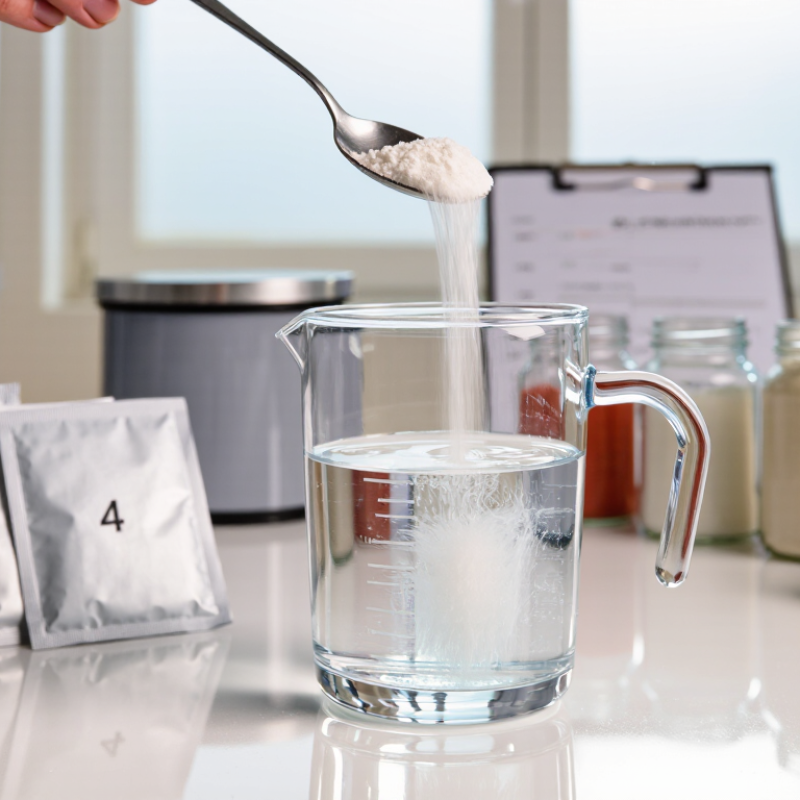
Understanding Fish Collagen Powder and Its Global Market
Fish collagen powder is usually made from fish skin or scales, then processed into collagen peptides that dissolve more readily. Its protein profile and handling properties depend on the raw material and production method. Buyers may encounter differences in solubility, odor, color, and peptide-size distribution. Source matters. A pale powder is not automatically a better one; processing can affect appearance without proving quality.
Global demand is shaped by interest in marine-sourced ingredients and products that mix into drinks, powders, or foods. Suppliers serve different needs, so a beverage manufacturer may care more about neutral taste and rapid dispersion than a capsule producer. These details matter. Buyers should compare specifications for protein content, moisture, microbiological results, heavy metals, and peptide-size testing. A certificate of analysis is useful, but its methods and batch identification deserve a close look.
Supply chains can span fishing, processing, refining, and export, making traceability important. Ask whether the stated fish species and origin match the documents, and whether testing covers the delivered batch. Local import and labeling requirements also vary, so confirm them with qualified advisers. One awkward reality: a powder can meet a paper specification yet perform poorly in a real drink, leaving haze or a lingering marine note. Requesting an application sample helps reveal that gap before a large order.
