Top 10 Types of Handicap Vans For Rent Worldwide?
The market for Handicap Vans For Rent is expanding as more travelers seek safer, more independent mobility. The World Health Organization’s Global Report on Health Equity for Persons with Disabilities estimates that 1.3 billion people, or one in six worldwide, experience significant disability. That figure highlights a practical need. Rental vehicles must do more than provide space. They should support secure wheelchair positioning, comfortable transfers, clear controls, and dependable roadside assistance.
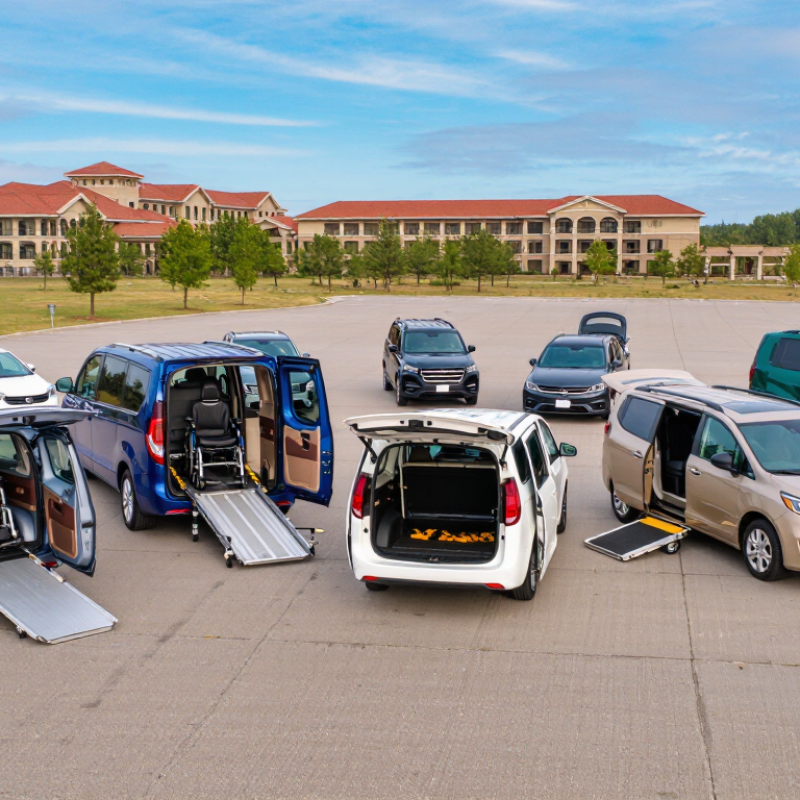
This guide introduces ten major accessible van types, including side-entry minivans, rear-entry minivans, full-size wheelchair vans, lowered-floor models, and vehicles with transfer seats. Each design serves a different situation. A side-entry ramp may help passengers board beside a hotel entrance. A rear-entry model can work better in narrow parking spaces. A full-size van may provide extra headroom, luggage capacity, or room for multiple wheelchair users. However, vehicle labels are not always consistent. Some rental listings describe “ramp access” without stating the ramp length, interior width, or tie-down system.
The U.S. Centers for Disease Control and Prevention reports that approximately one in four American adults has a disability. The U.S. Department of Transportation also emphasizes accessible transportation and secure mobility-device accommodation in its consumer guidance. These sources support careful vehicle comparison, but they cannot replace an inspection. Measure the wheelchair first. Confirm the passenger’s weight and transfer needs. Ask about ramp operation, floor clearance, insurance, mileage, and emergency support. A neat ranking can still mislead. The best rental van is the one that fits the person, route, and assistance level—not merely the vehicle category.
What a Handicap Van Is and Who Uses It
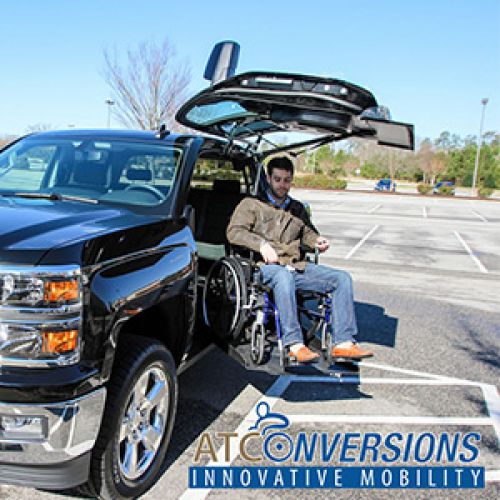
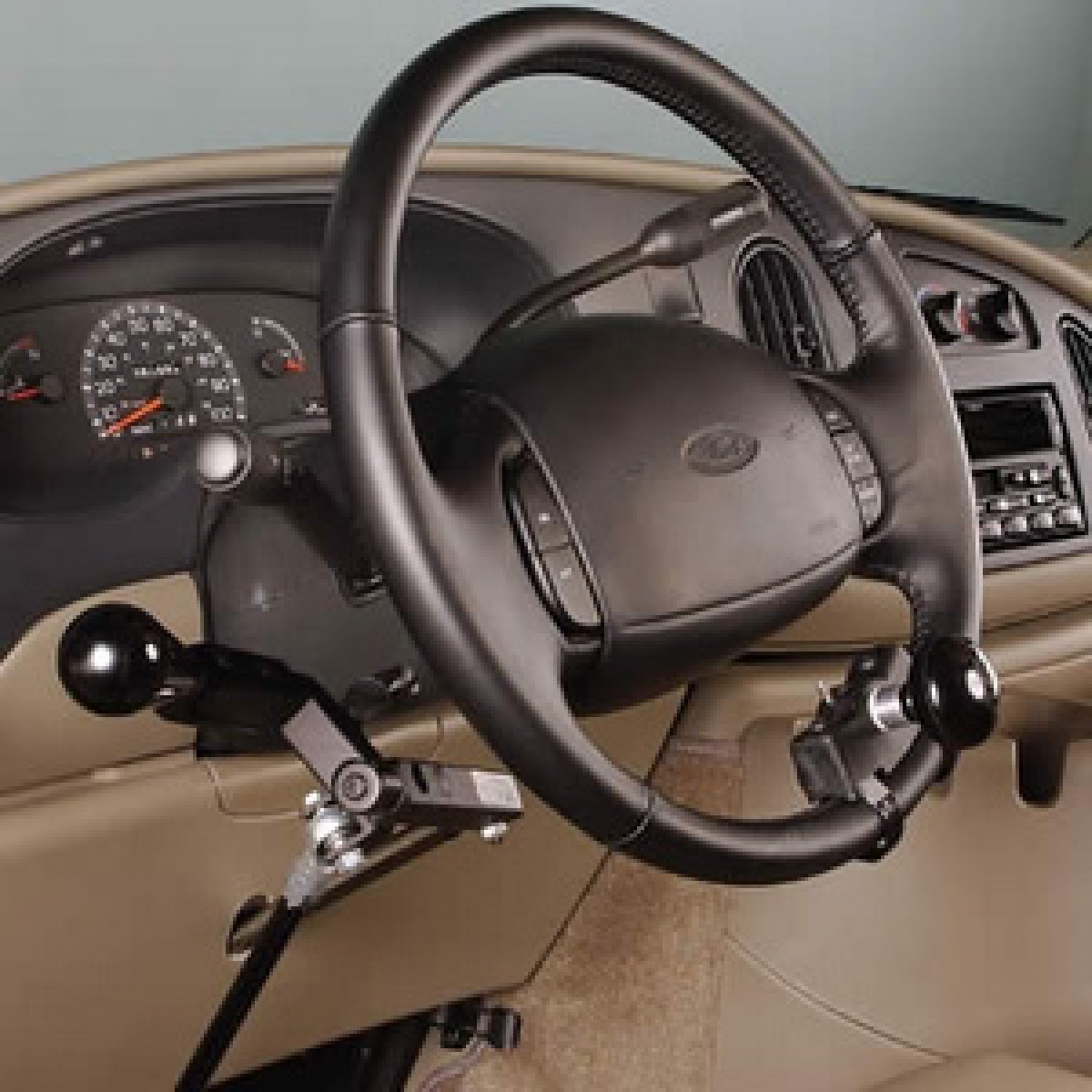
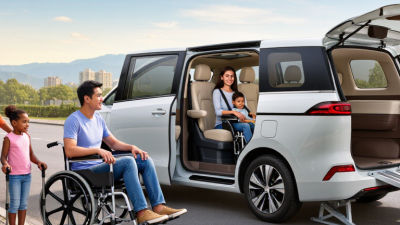
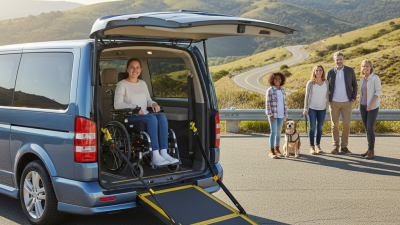
A handicap van is a vehicle modified to transport a wheelchair user with greater safety and independence. It may include a rear or side-entry ramp, a powered lift, lowered flooring, hand controls, and secure wheelchair tie-downs. Some models allow the passenger to remain seated in a wheelchair, while others support transfers into a regular seat.
These vans serve wheelchair users, people with limited walking ability, older adults, caregivers, and rehabilitation patients recovering from surgery or injury. A family may rent one for a hospital visit, a long-distance trip, or a temporary mobility change. The correct choice depends on wheelchair dimensions, passenger weight, door clearance, ramp angle, and available headroom. Small details matter. A steep ramp can feel unsafe in rain.
Before driving, renters should test the restraint system and confirm that every belt locks firmly. Staff should explain loading procedures, emergency access, and vehicle height. Drivers also need time to practice wider turns and careful braking. A van may look accessible but still feel uncomfortable for a tall passenger or a large powered chair. That is an important limitation. Measuring first is more reliable than trusting photographs or general labels. Temperature, uneven pavement, and crowded parking spaces can also change the experience.
Key Accessibility Features Found in Rental Vans
Rental vans differ widely, but accessibility features determine whether a journey feels manageable or stressful. A powered ramp or lift should deploy smoothly, with enough width for the passenger’s chair. The slope matters too. Steep ramps can be difficult in wet weather.
Inside, secure wheelchair restraints are essential. They should hold the chair firmly without damaging its frame. A suitable lap and shoulder belt must fit the passenger, not merely reach them. Low floors, extra headroom, and wide sliding doors improve comfort during boarding. Small details matter.
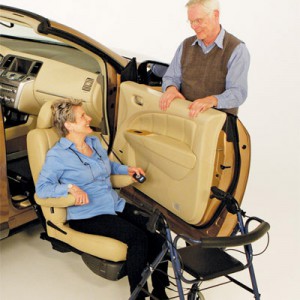
Some vans include swivel seats, transfer boards, hand controls, or adjustable footrests. These features support passengers who can transfer from a wheelchair, while lifts serve users who cannot. Kneeling suspension can reduce the entry height, although it may slow boarding on uneven ground. That trade-off is easy to miss.
Reliable rental providers explain weight limits, ramp measurements, and restraint procedures before collection. Ask for the interior height and turning space, not just the vehicle’s model description. Test the controls if possible. A backup camera and bright interior lighting can make night travel safer, but they do not replace careful driving. I have found that photographs often hide narrow access points. Inspect the doorway, floor rails, and storage area in person. A van can be technically accessible yet uncomfortable for a specific wheelchair. Availability also varies by country and location. Planning ahead remains important.
The Top 10 Types of Handicap Vans for Rent Worldwide
The Top 10 Types of Handicap Vans for Rent Worldwide
Global demand for accessible transport is growing. The World Health Organization reports that about 1.3 billion people live with significant disabilities. Its 2022 global report also highlights unequal access to mobility services. Rental fleets therefore need practical choices, not one standard vehicle.
The ten common types include side-entry ramp vans, rear-entry ramp vans, lowered-floor minivans, full-size wheelchair vans, high-roof accessible vans, manual-ramp vans, power-ramp vans, lift-equipped vans, transfer-seat vans, and bariatric accessible vans. Side-entry models usually support easier curbside transfers and direct wheelchair positioning. Rear-entry vans can work better in narrow parking spaces. Lowered floors improve headroom. High-roof designs suit taller passengers and caregivers.
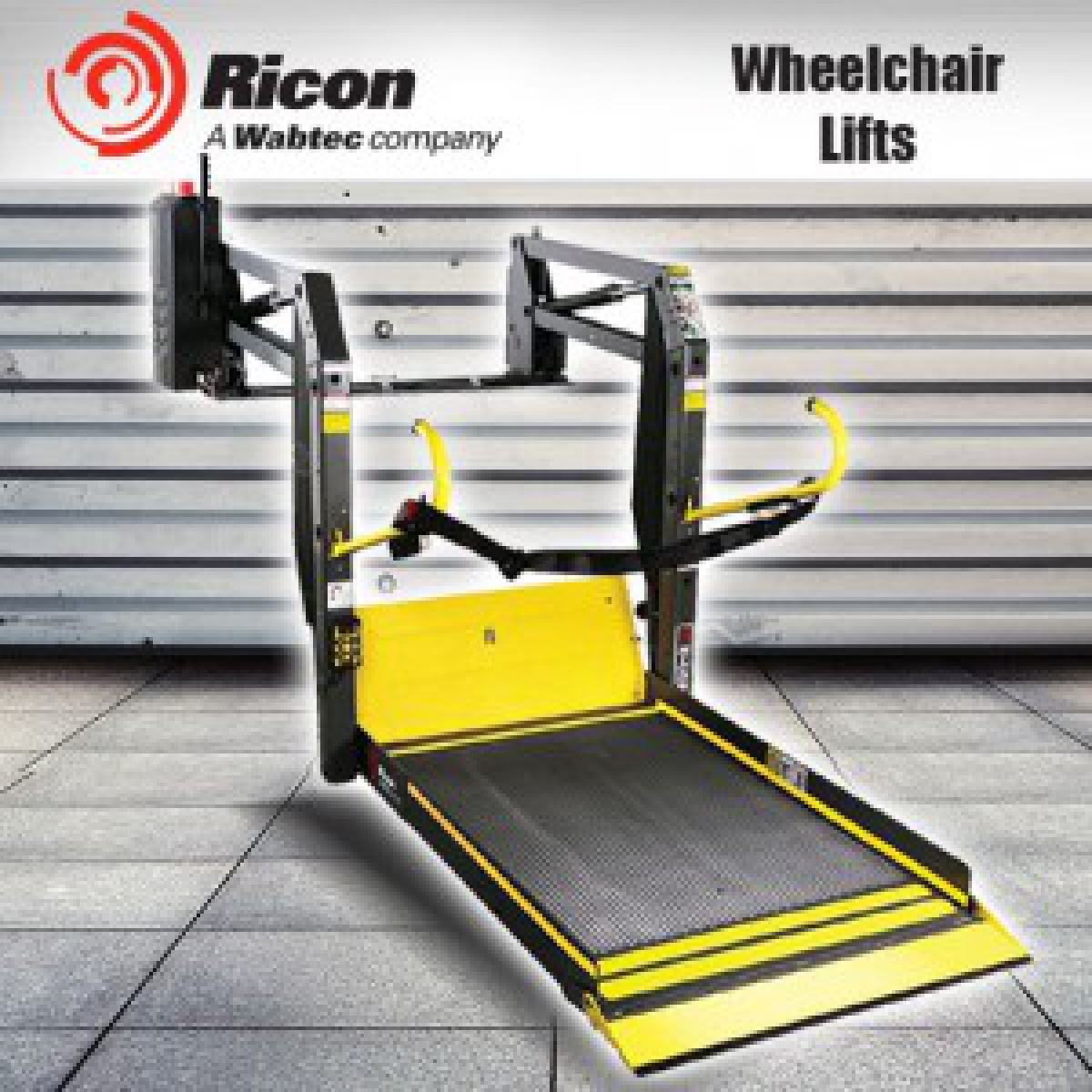
Power ramps reduce physical effort, while manual ramps may cost less to rent. Lift-equipped vans can serve heavier mobility devices, but loading time may increase. Transfer-seat vans help passengers move from a wheelchair into a vehicle seat. Bariatric models require careful checks for width, weight, and turning space. The World Health Organization’s wheelchair guidance stresses proper fit, safety, and user assessment. That advice matters during short rentals too.
Inspect the ramp before departure. Ask about tie-down points, door clearance, and battery charging. The U.S. National Highway Traffic Safety Administration emphasizes occupant restraint and mobility-device securement in accessible vehicle guidance. Some rental listings remain vague about these details. That is a weakness. Photos alone cannot confirm usability, especially for older vans or unusual wheelchair dimensions.
Top 10 Types of Handicap Vans for Rent Worldwide
Typical wheelchair capacity by accessible van type. Actual layouts vary by vehicle size, conversion design, local regulations, and rental configuration.
Data basis: representative wheelchair positions commonly available in rental configurations; wheelchair spaces replace some passenger seats.
Best Uses for Each Handicap Van Type
Top 10 Types of Handicap Vans for Rent Worldwide
Best Uses for Each Handicap Van Type
Accessible transport serves a large and growing need. The World Health Organization estimates that 1.3 billion people live with significant disability. The U.S. National Household Travel Survey also recorded 25.5 million adults with travel-limiting disabilities. Rental choices should match the passenger, wheelchair, route, and transfer ability.
Rear-entry ramp vans work well for direct sidewalk loading and wider parking access. Side-entry ramp vans suit passengers who want front-seat transfers or easier curbside boarding. Lowered-floor minivans are practical for family trips and airport transfers. Compact accessible vans fit narrow streets and short urban journeys. Full-size ramp vans offer more room for several passengers, luggage, and larger power chairs.
Lift-equipped vans are useful when a heavy mobility device cannot use a ramp safely. Wheelchair-accessible taxis suit brief city rides and frequent appointments. Accessible SUVs can handle uneven roads, but interior turning space may be limited. High-roof vans help attendants stand during loading and support longer journeys. Electric accessible vans are promising for low-emission urban travel, although charging access remains inconsistent worldwide. Multi-wheelchair vans serve group outings, schools, and community programs.
Rental staff should confirm ramp angles, door widths, tie-down points, and battery range before booking. ISO 10542 provides recognized guidance for wheelchair tie-downs and occupant restraints. A vehicle can look accessible yet fail in real use. That uncomfortable detail matters. Personal testing, when possible, remains the most reliable choice.
How to Compare Safety, Comfort, Cost, and Availability
Top 10 Types of Handicap Vans for Rent Worldwide
Accessible rental vans vary widely. Common options include side-entry vans, rear-entry vans, ramp vans, lift-equipped vans, manual-ramp vans, power-ramp vans, compact minivans, full-size vans, accessible taxis, and wheelchair-accessible camper vans. Each type serves different mobility needs. A power lift may suit a heavy wheelchair, while a low-floor ramp can simplify daily transfers.
Safety should guide every comparison. Check the restraint system, ramp angle, door clearance, floor condition, and emergency equipment. Ask whether technicians inspected the lift recently. Comfort also matters during long trips. Measure seat width, headroom, turning space, climate control, and luggage capacity. Cost includes more than the daily rate. Confirm deposits, mileage limits, insurance, delivery fees, fuel rules, and damage charges. Availability may change by city, season, and wheelchair size. Local accessibility standards can also differ.
Tips: Photograph the interior before departure. Test the ramp yourself. Request written measurements. Confirm pickup access, not just vehicle availability. A cheaper van can become expensive if transfers feel unsafe or the chair cannot turn comfortably. I have found that online photos often hide narrow doorways and steep ramps. Rental staff may also use “accessible” too broadly. Recheck every detail, even when the booking appears clear.