








What Are the Top Heavy Duty Truck Brands in China?
China’s heavy truck market is broad, competitive, and shaped by demanding work conditions. A Heavy Duty Truck hauling coal across a western plateau faces different needs from one delivering goods through crowded city streets. That difference matters. Buyers often compare payload, engine performance, fuel use, service access, and purchase cost—not just the badge on the grille.
Several names appear regularly in discussions of China’s leading manufacturers: FAW Jiefang, Dongfeng, Sinotruk, Shaanxi Auto, and Foton. SANY has also expanded its presence in heavy commercial vehicles. Each offers models for particular routes and jobs, while product availability and specifications can vary by region and model year. There is no single brand that suits every operator. A long-haul fleet may value fuel economy and a wide service network; a construction contractor may focus more on durability, ground clearance, and support near remote worksites.
This guide compares those brands through practical criteria rather than unsupported rankings. It considers vehicle range, typical applications, technology, and after-sales support, while noting where buyers should verify current specifications with manufacturers or local dealers. Real-world performance can depend on maintenance, load, road quality, and driving habits. That is easy to overlook. Brand reputation helps, but it cannot replace checking the exact truck, its warranty terms, and the service coverage available along the routes it will travel.
What Defines a Heavy-Duty Truck Brand in China?
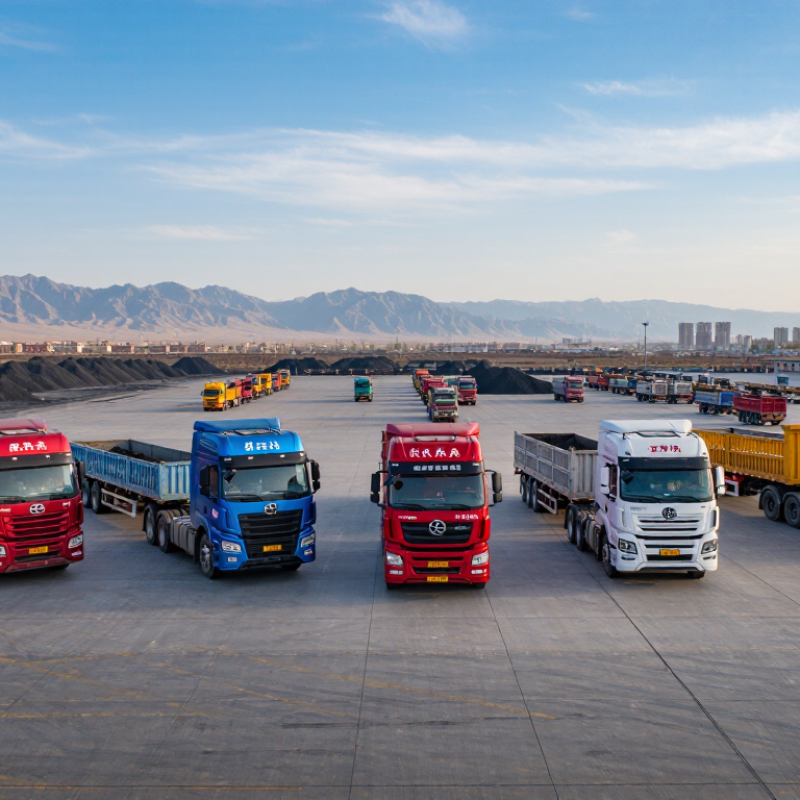
A heavy-duty truck brand in China is defined by more than engine output or a polished cab. It must build vehicles suited to demanding routes, varied climates, and different freight needs. A loaded truck climbing a steep road tests cooling, transmission response, and braking far more clearly than a brochure can. So does a long shift on dusty construction roads. Real use matters.
Buyers also judge how reliably a truck stays in service. Practical signs include accessible parts, trained repair support, clear maintenance schedules, and consistent quality across vehicle batches. These details affect operating costs over years, not just the purchase price. A strong brand should provide technical data that fleet managers can verify, including payload limits and fuel-use conditions. Claims need context. Performance changes with cargo, terrain, driving habits, and upkeep, so one test result cannot represent every fleet. Even well-designed trucks can have weak points, and buyers should compare service records and total ownership costs rather than trust reputation alone. That judgment takes work.
