
















What Are the Top P Tau 217 Biomarker Kits in 2026?
Choosing a P Tau 217 Biomarker kit in 2026 is not simply a matter of picking the most sensitive assay. Laboratories must weigh analytical performance, sample handling, intended use, and the strength of published validation. A kit that performs well with one instrument or sample type may not transfer neatly to another. Small details matter: storage temperature, assay calibration, and how results near a decision threshold are reported.
Alzheimer’s researcher Professor Oskar Hansson’s published work supports a cautious message: blood-based p-tau217 can help identify Alzheimer’s-related changes, but biomarker results need clinical context. That is a paraphrase of the research, not a direct quotation. The distinction matters. A test result alone does not establish a complete diagnosis. Buyers should examine precision, detection limits, reproducibility, and validation across relevant patient groups. They should also check whether a kit is intended for research use or clinical testing, and confirm its current status with the manufacturer and applicable authorities.
There is no universal winner. A kit suited to a high-throughput hospital laboratory may be impractical for a small research team. Even an impressive brochure is not enough. This comparison will look at leading options through evidence, workflow, and transparency—not marketing claims alone. Some performance data may remain difficult to compare across platforms. That gap deserves attention. The best choice is the one that fits the laboratory’s purpose and can be interpreted responsibly.
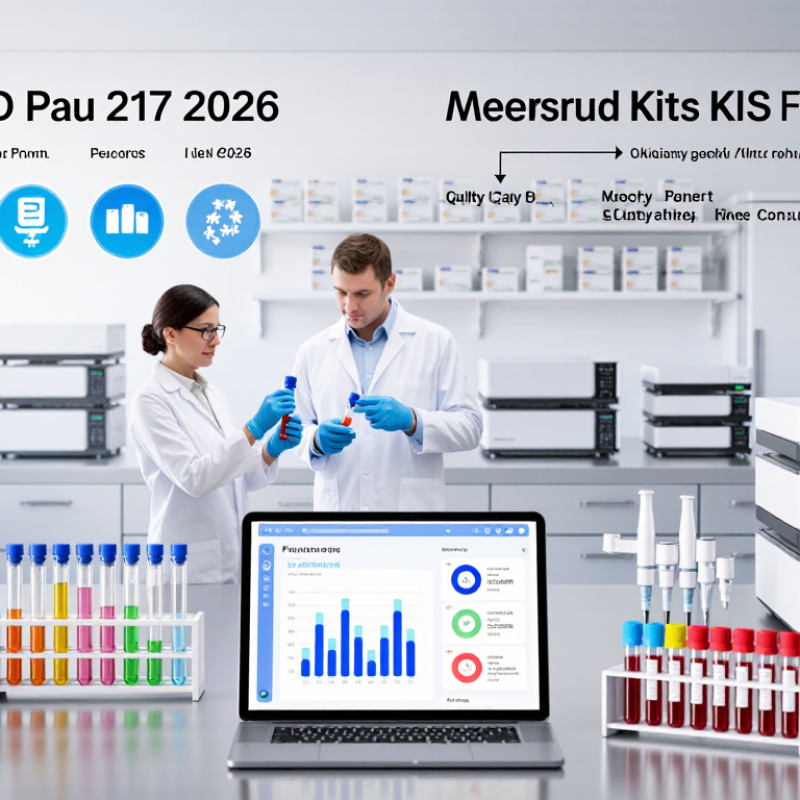
What P-Tau 217 Measures in Alzheimer’s Disease Testing
P-tau217 is a form of tau protein modified at a specific site, threonine 217. In Alzheimer’s disease, changes in this protein can appear as amyloid-related disease processes develop. A biomarker kit measures p-tau217 in a sample, often blood or cerebrospinal fluid, using a laboratory assay. The result is a signal, not a direct picture of brain tissue.
That distinction matters. A raised blood result may increase concern for Alzheimer’s-related changes, but it cannot diagnose the condition by itself. Clinicians interpret it alongside symptoms, medical history, and, when appropriate, imaging or other tests. Age, kidney function, sample handling, and assay design may also affect interpretation. Small details count.
Different kits may use different antibodies, calibration methods, and cutoffs, so their numbers are not always interchangeable. A result near a decision threshold can be difficult to interpret; that uncertainty deserves attention, not a confident guess. Patients should ask what sample was tested, what the result means in their clinical context, and whether follow-up testing is needed. Biomarkers can inform care, but they do not replace a careful clinical assessment.
