Top Rail Transfer Cart Options for 2026 Buyers Guide
As industries evolve, the demand for efficient material handling solutions continues to grow. The Rail Transfer Cart stands out as a crucial asset for factories and warehouses in 2026. According to industry reports, the material handling equipment market is projected to reach $200 billion by 2026. This surge reflects the need for advanced systems capable of enhancing productivity and reducing operational costs.
The Rail Transfer Cart offers versatility and ease of use in transporting heavy loads. Market research indicates a significant shift towards automated solutions. These carts streamline processes, minimizing the risk of workplace accidents. However, selection can be challenging, as buyers must consider several factors, including load capacity and operational environment.
While numerous options exist, not all Rail Transfer Carts may fit specific operational needs. Some models may lack certain features that could enhance productivity. Therefore, potential buyers should reflect on their unique requirements and the long-term implications of their choices. The right cart can make a substantial difference in efficiency and safety.
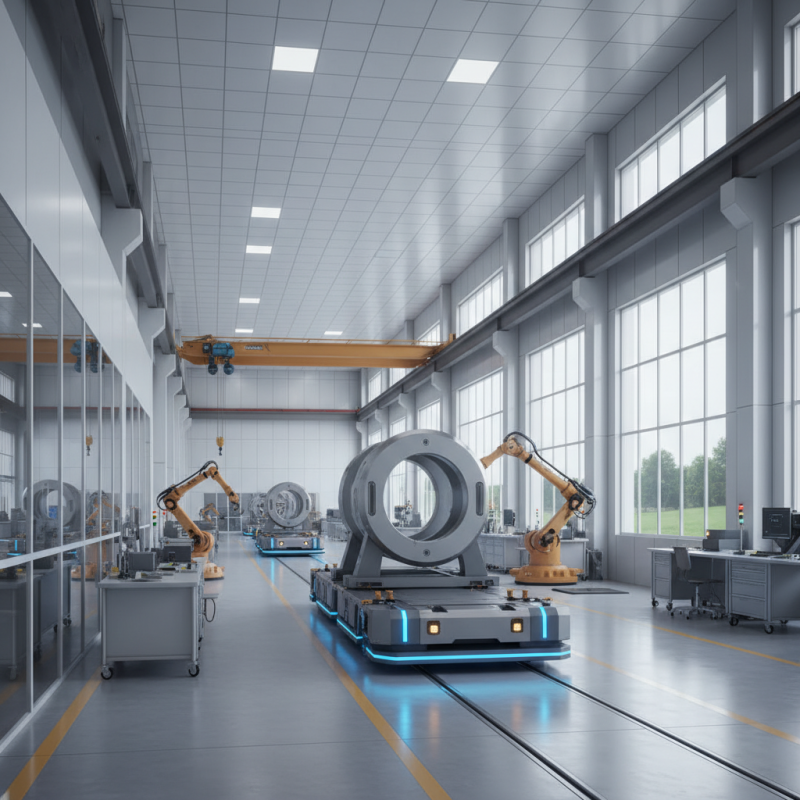
Overview of Rail Transfer Carts: Key Features and Benefits
Rail transfer carts are essential for many industries. They move heavy materials with ease, reducing worker strain. These carts offer several key features that enhance their functionality.
One significant benefit is their versatility. Different models can handle various loads and track systems. Electric-powered options provide efficient operation with minimal maintenance. Safety features like emergency stop buttons are crucial for accident prevention. Moreover, customizable designs cater to specific industry needs, improving overall productivity.
However, potential buyers must consider the limitations. Some carts may not perform well on uneven surfaces. Weight capacity can also be a concern, as overloading can cause equipment failure. Regular inspections and adjustments are necessary for optimal performance. Recognizing these challenges is vital for informed decision-making.
Types of Rail Transfer Carts: Options for Different Industries
Rail transfer carts have become essential tools across various industries. Their versatility allows them to handle heavy loads on tracks, making them indispensable in manufacturing, warehousing, and transportation. In 2026, buyers will find various options tailored to specific industry needs. Each type of rail transfer cart features unique attributes to enhance efficiency.
For instance, heavy-duty rail transfer carts excel in manufacturing settings. They can transport oversized components with ease. Conversely, lightweight models are ideal for settings with limited space. They can maneuver through narrow aisles while still carrying substantial loads. Not all carts perform well under every condition. It's important for buyers to assess their specific requirements before making a choice.
Different industries prioritize varying features. The automotive sector may require carts equipped with advanced safety mechanisms. This avoids workplace accidents. On the other hand, food processing sectors may focus on hygienic materials for compliance purposes. Recognizing these nuances allows buyers to make informed decisions. Each choice should reflect the operational environment and specific needs.
Factors to Consider When Choosing a Rail Transfer Cart
When evaluating rail transfer carts, several crucial factors come into play. First, load capacity is paramount. Industry standards indicate that many rail carts can handle loads exceeding 30 tons. Buyers must assess the weight of their transport materials to avoid overloading. This ensures safety and efficiency during rail operations.
Next, consider the terrain of operation. A report from the Rail Freight Alliance highlights that 70% of rail accidents occur due to incorrect cart selection for track conditions. Buyers should review track infrastructure and choose carts with appropriate wheel designs. This tiresome detail can influence performance and longevity.
Another vital aspect is mobility. Flexible transfer carts offer better maneuverability. A 2023 study shows that efficient cart movement can reduce operational delays by nearly 25%. Users must invest time in understanding the turning radius and transportation requirements of their specific environment. Reflection on these factors may yield a better purchasing decision.
Top Brands and Models for Rail Transfer Carts in 2026
When it comes to rail transfer carts, the choices in 2026 are expanding. Several top brands are increasingly focusing on innovation while maintaining reliability. Users can expect advanced features, such as automated systems and enhanced safety protocols. These carts are essential for transportation tasks in various industries, including manufacturing and warehousing.
One significant trend is the emphasis on customization. Different models are designed to handle specific loads and environments. Buyers should consider the weight capacity and terrain compatibility. It's also important to assess if the cart's design fits your operational workflow. Feedback from current users can reveal potential drawbacks. Are these carts truly efficient? Or do they require constant adjustments and maintenance?
Investing in a rail transfer cart involves careful consideration. Prospective buyers must weigh their options and acknowledge that not every model fits every need. Some carts may perform well in controlled environments but struggle under varied conditions. Understanding these nuances helps in making informed choices. A reliable rail transfer cart should enhance productivity without introducing complications.
Top Rail Transfer Cart Options for 2026 Buyers Guide
| Model | Load Capacity (tons) | Battery Life (hours) | Dimensions (L x W x H) (m) | Top Speed (km/h) | Control Type |
| Model A1 | 10 | 8 | 4.5 x 2.2 x 1.5 | 20 | Remote Control |
| Model B2 | 15 | 10 | 5.0 x 2.5 x 1.8 | 25 | Manual Control |
| Model C3 | 12 | 9 | 4.8 x 2.4 x 1.6 | 22 | Remote Control |
| Model D4 | 8 | 7 | 4.0 x 2.0 x 1.4 | 18 | Manual Control |
| Model E5 | 20 | 12 | 6.0 x 2.8 x 2.0 | 30 | Remote Control |
Maintenance and Safety Tips for Rail Transfer Cart Users
Maintaining safety in rail transfer operations is crucial. Statistics show that nearly 70% of industrial accidents occur during material handling. Regular inspections of rail transfer carts can significantly reduce such incidents. Operators should check brakes, wheels, and battery systems weekly to identify potential failures early.
Proper training is essential for users. Lack of training contributes to mishaps. Studies indicate that 30% of accidents result from operator errors. Regular workshops can enhance users’ skills. Refreshers every six months keep safety practices top of mind.
Moreover, implementing safety protocols can enhance workplace safety. For instance, using designated routes reduces the risk of collisions. Marking areas and ensuring clear visibility aids operators. Installing cameras or sensors can improve awareness, but it's not foolproof. Occasional blind spots still exist. Continuous evaluation of safety measures is vital for preventing accidents. Balancing technology and human oversight creates a safer working environment.