















Top Roll Filter Media Manufacturers for Global Buyers?
Global buyers comparing Roll Filter Media manufacturers face a practical challenge: the cheapest roll may not deliver the lowest operating cost. Media affects particle capture, airflow resistance, service life, and how often a filter system needs attention. Small details matter. A loose edge, uneven fiber density, or poorly controlled roll width can create problems during installation and use.
The UNEP Global Status Report for Buildings and Construction 2023 reports that buildings consumed 34% of global energy in 2022 and produced 37% of energy- and process-related CO₂ emissions. Those figures describe the wider building sector, not filter media alone. Still, they help explain why buyers should examine pressure drop and replacement intervals alongside filtration performance. Harvard healthy-buildings researcher Joseph Allen has consistently emphasized that ventilation and filtration need to work together. In practical terms, even capable media cannot compensate for poor system design or neglected maintenance.
A useful supplier review should check test methods, product consistency, available widths, technical documentation, and support after delivery. Ask for performance data tied to the intended application, not just a broad efficiency claim. Request sample rolls, too. See how the material unwinds and handles on your equipment. The uncomfortable truth? A polished specification sheet does not prove consistent production. Global buyers need evidence across batches, clear communication, and realistic lead times. This introduction sets the stage for comparing leading manufacturers—and for asking what their claims actually mean in daily operation.
What Is Roll Filter Media and Where Is It Used?
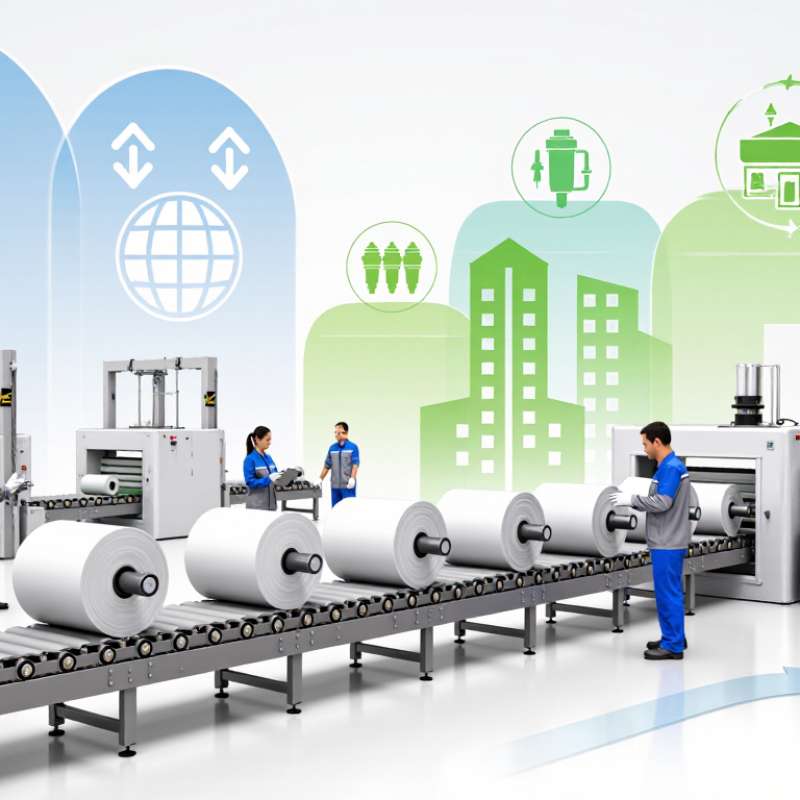
Roll filter media is a continuous sheet of porous material supplied in rolls, then cut to fit frames or equipment. It is commonly made from synthetic fibers, glass fibers, or blended layers. The structure traps airborne particles while allowing air to pass through. Simple in form. Not simple in performance. Fiber density, thickness, and pleating affect dust-holding capacity and airflow resistance.
Uses range from HVAC prefilters in offices and factories to intake filtration for turbines and spray booths. In building systems, the media can capture dust before it reaches finer filters or equipment coils. The International Energy Agency’s Energy Efficiency 2023 report estimates that buildings use about 30% of global energy. Filter selection matters because excessive airflow resistance can increase fan energy use. A roll can look right and still be wrong for the system.
Performance depends on the finished filter, not just the raw roll. ASHRAE Standard 52.2 tests particle removal across three size ranges: 0.3–1, 1–3, and 3–10 micrometers. Buyers should check test results, pressure drop, and replacement intervals for their actual operating conditions. A high capture rating alone may not suit a system with limited fan capacity. That trade-off is easy to overlook.
