





Top Taxi Rooftop Advertising Suppliers for Global Buyers?
Choosing a rooftop advertising supplier is not just a matter of comparing prices. Global buyers must consider vehicle compatibility, production quality, installation support, and campaign reporting. Taxi Rooftop Advertising can make a brand visible at street level, where commuters and pedestrians see the message repeatedly. But visibility alone does not guarantee useful results.
A dependable supplier should explain its materials, printing process, delivery schedule, and quality checks in clear terms. Ask for sample photos or physical mock-ups, especially when artwork must fit different roof units. Confirm how the supplier handles packaging, replacement parts, and communication across time zones. Small details matter. A poorly fitted panel or faded graphic can weaken an otherwise strong campaign.
This guide introduces supplier-selection factors for buyers comparing options across markets. It focuses on practical questions, not broad promises: Can the supplier meet the required specifications? Are timelines and costs documented? Is support available after delivery? References and case studies can help, though they may not reflect every buyer’s experience. No supplier is perfect. Even a careful checklist can miss local operating differences, so buyers should verify requirements with their campaign partners before ordering. The aim is a more informed shortlist—and fewer surprises once the advertising units arrive.
What Is Taxi Rooftop Advertising?
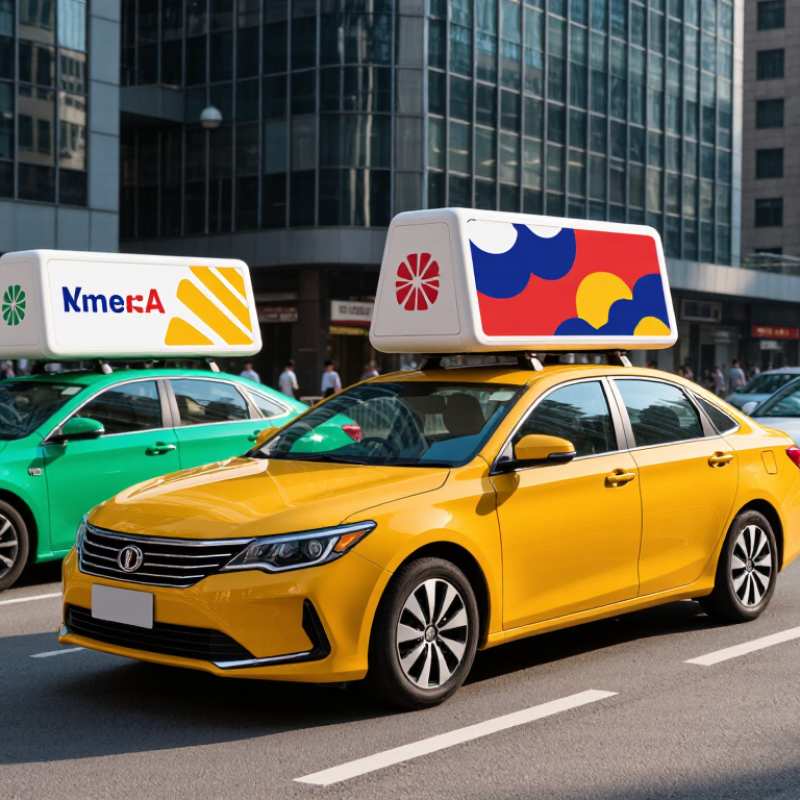
Taxi rooftop advertising uses a display mounted on a vehicle’s roof to carry a message through streets and neighborhoods. The display may be a printed panel or a digital screen, depending on the campaign setup. Unlike a fixed billboard, it moves with the taxi, so exposure can vary by route, traffic, and time of day. A bright panel near a busy intersection may catch a pedestrian’s eye, while the same taxi can spend part of its shift on quieter roads. Simple idea. Variable results.
For campaign planning, consider the display size, viewing distance, and how quickly people can read the message. Keep the wording brief and the contrast clear. Ask suppliers how units are secured, powered, and maintained, and request details on route reporting before comparing quotes. A polished mockup is useful, but it cannot guarantee attention.
Tips: Match the message to the taxi’s likely routes. Check installation quality and screen brightness in daylight. Leave room for adjustments; real traffic patterns can differ from a plan.
